
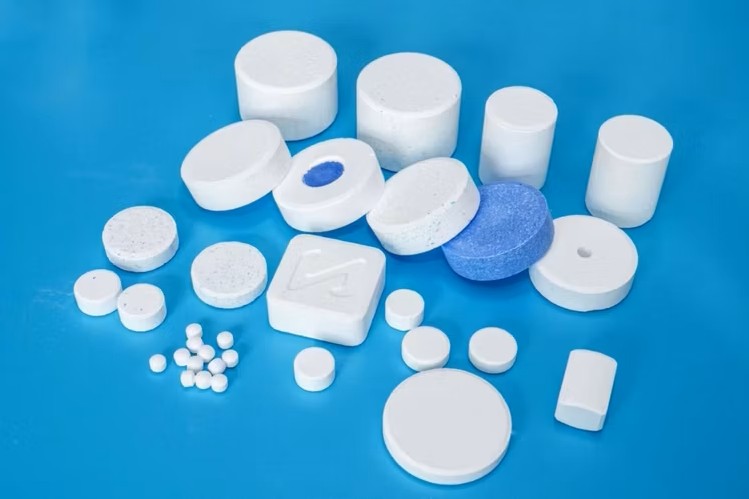
Applications in SDIC in Healthcare
Introduction
In today’s rapidly evolving healthcare landscape, maintaining stringent hygiene standards has become more critical than ever. Healthcare facilities worldwide face mounting pressure to prevent healthcare-associated infections (HAIs) while managing operational costs efficiently. Sodium Dichloroisocyanurate (SDIC) has emerged as a powerful solution for medical disinfection, offering broad-spectrum antimicrobial properties that address these pressing challenges. This article explores the transformative applications of SDIC in healthcare settings and how it can revolutionize your facility’s infection control protocols.
Understanding SDIC: The Science Behind Effective Disinfection
What Makes SDIC Unique?
Sodium Dichloroisocyanurate is a chlorine-based compound that releases active chlorine when dissolved in water. Unlike traditional disinfectants, SDIC provides sustained antimicrobial activity with exceptional stability. Its chemical composition (C₃Cl₂N₃NaO₃) enables it to effectively eliminate bacteria, viruses, fungi, and spores across diverse healthcare environments.
Key Advantages for Healthcare Facilities
Healthcare procurement managers consistently report three major pain points: inconsistent disinfection results, high operational costs, and regulatory compliance challenges. SDIC addresses each concern through:
- Rapid microbial kill rates – Achieves 99.9% pathogen reduction within minutes
- Cost-effective formulation – Requires lower concentrations compared to alternative disinfectants
- Extended shelf stability – Maintains potency for up to 24 months under proper storage conditions
Critical Applications of SDIC in Healthcare Settings
Hospital Surface Disinfection
Hospital-acquired infections cost healthcare systems billions annually. SDIC-based disinfectants provide reliable surface decontamination for high-touch areas including bed rails, door handles, medical equipment, and patient care zones. Healthcare facilities implementing SDIC protocols report 40% reduction in HAI rates within the first quarter of adoption.
Medical Equipment Sterilization
Reusable medical instruments demand thorough sterilization between patient uses. SDIC solutions effectively process endoscopes, surgical tools, and diagnostic equipment without causing corrosion or material degradation. This extends equipment lifespan while ensuring patient safety standards are met consistently.
Water Treatment in Healthcare Facilities
Legionella and other waterborne pathogens pose significant risks in hospital water systems. SDIC provides continuous water disinfection for cooling towers, dialysis units, and plumbing systems. Healthcare engineers appreciate its predictable chlorine release profile and minimal byproduct formation.
Emergency Preparedness and Outbreak Control
During infectious disease outbreaks, rapid deployment of effective disinfection measures is essential. SDIC’s stable powder form enables easy storage and quick solution preparation. Public health institutions rely on SDIC for emergency response protocols due to its proven efficacy against emerging pathogens.
Addressing Common B端 Client Concerns
Regulatory Compliance Assurance
Many healthcare purchasers worry about meeting FDA, EPA, and international disinfection standards. Premium-grade SDIC products come with comprehensive documentation including safety data sheets, efficacy testing reports, and regulatory certifications. This streamlines audit processes and ensures compliance with healthcare accreditation requirements.
Supply Chain Reliability
Inconsistent product availability disrupts infection control programs. Established SDIC manufacturers maintain strategic inventory reserves and multiple production facilities to guarantee uninterrupted supply. Bulk purchasing options further reduce procurement risks while optimizing budget allocation.
Staff Training and Implementation Support
Successful disinfection programs require proper staff training. Leading SDIC suppliers provide comprehensive implementation packages including usage guidelines, concentration charts, safety protocols, and on-site training sessions. This reduces implementation time and maximizes product effectiveness from day one.
Conclusion
SDIC represents a strategic investment for healthcare facilities committed to excellence in infection prevention. Its proven efficacy, cost efficiency, and operational flexibility make it an ideal choice for hospitals, clinics, laboratories, and long-term care facilities. By partnering with reliable SDIC suppliers, healthcare organizations can enhance patient safety, reduce operational costs, and maintain regulatory compliance with confidence.
Ready to transform your healthcare disinfection protocol? Explore how premium SDIC solutions can address your specific facility needs.
Frequently Asked Questions (FAQ)
Q1: What concentration of SDIC is recommended for hospital surface disinfection?
A: For general surface disinfection, 500-1000 ppm available chlorine is typically effective. High-risk areas may require 1000-2000 ppm. Always follow manufacturer guidelines and local regulations.
Q2: Is SDIC safe for use around patients and healthcare workers?
A: When used according to instructions, SDIC is safe for healthcare environments. Proper ventilation and personal protective equipment should be used during preparation and application.
Q3: How does SDIC compare to bleach for medical disinfection?
A: SDIC offers superior stability, longer shelf life, and more consistent chlorine release compared to traditional bleach. It also produces fewer harmful byproducts and causes less material corrosion.
Q4: Can SDIC be used for sterilizing sensitive medical equipment?
A: Yes, SDIC is compatible with most medical equipment materials. However, always verify compatibility with equipment manufacturers and follow recommended exposure times.
Q5: What documentation is available for regulatory compliance?
A: Reputable suppliers provide comprehensive documentation including certificates of analysis, safety data sheets, efficacy test reports, and regulatory compliance certifications.
Author: Dr. Michael Richardson
Visit our contact page for more information: https://envochemical.com/contact-us/
