
Here is a professional, B2B-oriented article written in English, designed to attract inquiries and solve specific industry problems related to Sodium Dichloroisocyanurate (SDIC).
The Ultimate Solution for Aquaculture Biosecurity: The Science and Application of SDIC
Introduction
The global aquaculture industry is facing a pivotal moment. As demand for seafood surges to meet the needs of a growing population, farmers are under immense pressure to maximize yields while maintaining strict biosecurity standards. The challenge is complex: balancing high-density farming with the ever-present threat of bacterial, viral, and fungal pathogens.
For aquaculture producers, processors, and supply chain managers, the margin for error is shrinking. A single outbreak of White Spot Syndrome Virus (WSSV) in shrimp or Columnaris in fish can devastate an entire harvest, leading to catastrophic financial losses and reputational damage.
This is where Sodium Dichloroisocyanurate (SDIC) emerges as a non-negotiable tool in the modern farmer’s arsenal. Unlike general-purpose disinfectants, SDIC offers a unique chemical profile that makes it the gold standard for aquatic environments. This article explores the specific benefits of SDIC in aquaculture, detailing how it solves critical B2B operational challenges and ensures the health of your stock.
Understanding SDIC: The Chemistry of Aquatic Safety
To appreciate the benefits of SDIC, one must first understand its chemical behavior in water.
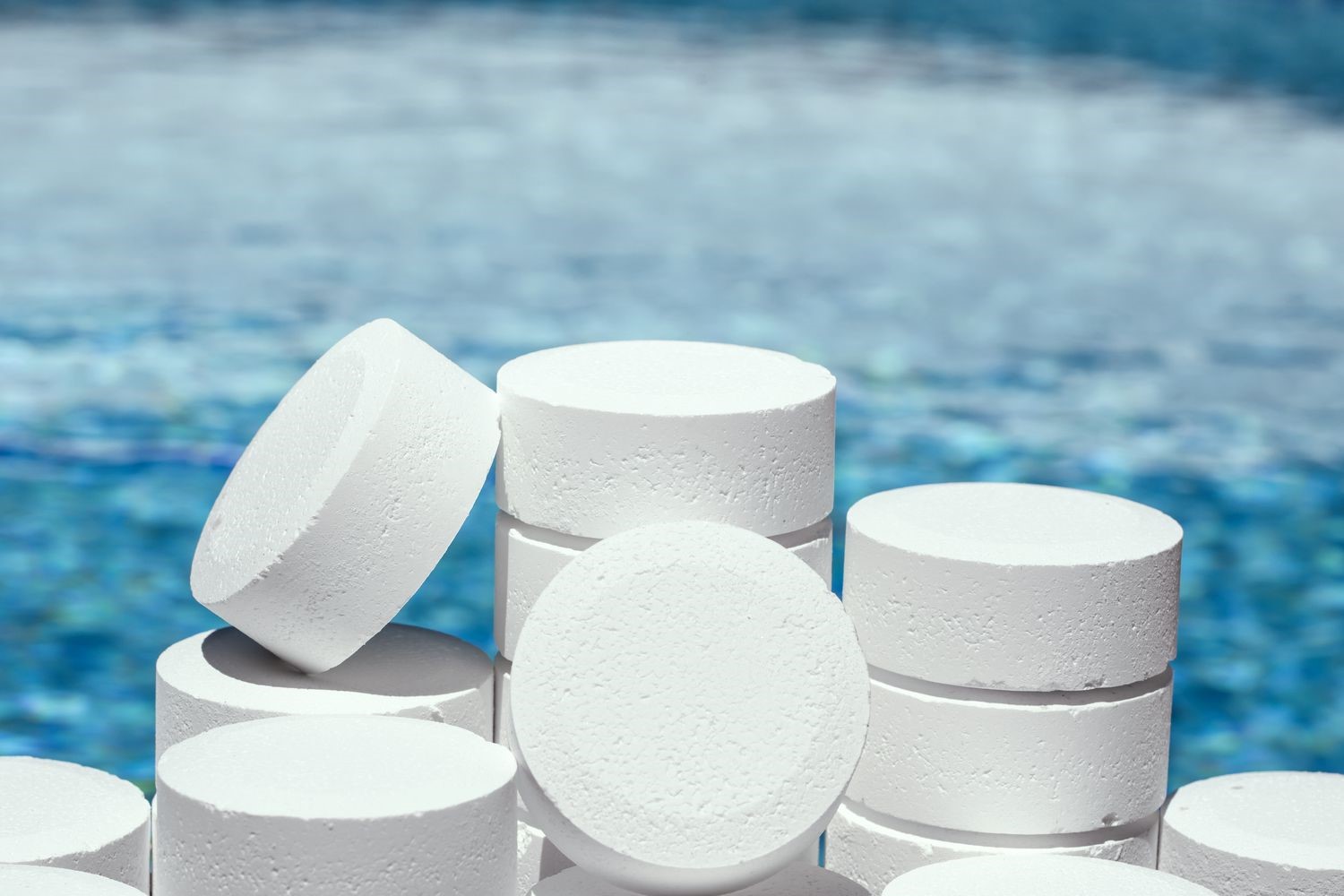
SDIC is an organic chlorine compound that exists in granular, tablet, or powder form. When dissolved in water, it undergoes hydrolysis to release Hypochlorous Acid (HOCl), the active killing agent. What sets SDIC apart from other chlorine sources is its stabilized release mechanism.
Unlike liquid bleach (Sodium Hypochlorite), which degrades rapidly under UV light and high pH conditions, SDIC contains a cyanuric acid stabilizer. This allows it to maintain a consistent residual chlorine level in ponds, tanks, and hatcheries for extended periods, even in direct sunlight.
Key Chemical Properties:
- High Available Chlorine Content: Ranging from 56% to 60%, ensuring potent disinfection with lower dosage requirements.
- pH Neutral: SDIC works effectively in a wide pH range (6.0 – 7.5), which is crucial for maintaining the delicate osmoregulation balance in fish and shellfish.
- Solubility: Highly soluble in water, allowing for rapid distribution throughout the aquatic system.
5 Critical Benefits of SDIC in Aquaculture Operations
For B2B stakeholders, the value of a chemical lies not just in its formula, but in its ability to solve operational bottlenecks. Here are the five primary benefits of SDIC that directly impact your bottom line.
1. Broad-Spectrum Pathogen Elimination
The aquaculture environment is a breeding ground for opportunistic pathogens. From Vibrio bacteria in shrimp ponds to Aeromonas in freshwater fish farms, the microbial load is constant.
SDIC acts as a biocide by penetrating the cell walls of microorganisms. It oxidizes the sulfhydryl enzymes essential for bacterial respiration, effectively shutting down the pathogen’s metabolic system within seconds.
- Virus Control: Proven efficacy against enveloped viruses like Infectious Hematopoietic Necrosis (IHN) and non-enveloped viruses like Infectious Pancreatic Necrosis (IPN).
- Fungal Spores: Prevents the spread of saprolegniasis, a common fungal infection in fish eggs and fry.
- Algae Management: While primarily a disinfectant, SDIC helps control harmful algal blooms that can deplete oxygen levels.
2. Superior Stability in Harsh Environments
One of the biggest frustrations for aquaculture managers is the volatility of traditional disinfectants. In open pond systems, liquid chlorine can lose 90% of its potency within hours due to photodegradation.
The benefit of SDIC lies in its photostability. The cyanuric acid in SDIC acts as a sunscreen for the chlorine molecule. This means that when you dose a pond with SDIC, you are not just treating the water for the next hour—you are providing a protective residual shield that lasts for days. This reduces the frequency of application, saving on labor and operational costs.
3. Safety for Stock and Handlers
Safety is a paramount concern in B2B procurement. Chemicals that are too harsh can stress fish, leading to suppressed immune systems and secondary infections. Conversely, chemicals that are too weak fail to control disease.
SDIC strikes a perfect balance:
- Low Toxicity to Vertebrates: When used at recommended doses (typically 0.2 – 0.5 ppm for maintenance), SDIC is non-toxic to fish and shrimp.
- Non-Corrosive: Unlike acidic sanitizers, SDIC does not corrode pumps, pipes, or aerators, extending the lifespan of expensive farm infrastructure.
- Ease of Handling: The granular or tablet form of SDIC is safer to transport and store than gaseous chlorine or highly concentrated liquid bleach.
4. Residual Protection and Water Clarification
In flow-through systems or recirculating aquaculture systems (RAS), maintaining water quality is a 24/7 job. The benefit of SDIC’s residual action is that it continues to work as water moves through filters and bio-reactors.
Furthermore, SDIC acts as a flocculant aid. As it oxidizes organic matter, it helps clump suspended solids together. This leads to:
- Increased Water Clarity: Improved visibility for monitoring stock health.
- Reduced BOD (Biological Oxygen Demand): By breaking down organic sludge, SDIC helps maintain higher dissolved oxygen levels, which is critical for high-density farming.
5. Regulatory Compliance and Export Standards
For processors exporting seafood to the EU, USA, or Japan, meeting Maximum Residue Limits (MRLs) is mandatory. SDIC breaks down into carbon dioxide, ammonia, and water. It does not leave harmful organic residues or chlorinated hydrocarbons in the tissue of the fish.
This makes it an approved substance under most international food safety and veterinary codes, ensuring your product clears customs without chemical residue holds.
Operational Guidelines: Maximizing the Benefits of SDIC
To ensure you are extracting the maximum value from SDIC, proper application is key. Here is a technical reference guide for industrial use.
| Parameter | Recommended Range | Notes |
|---|---|---|
| Dosage (Disinfection) | 0.3 – 0.5 ppm | For routine pond/tank treatment |
| Dosage (Shock Treatment) | 1.0 – 2.0 ppm | For outbreak control or equipment cleaning |
| Optimal pH | 6.5 – 7.5 | Efficacy drops significantly above pH 8.0 |
| Water Temperature | > 15°C | Reaction rate slows in cold water |
| Contact Time | 30 mins – 2 hours | Ensure adequate mixing before restocking |
Note: Always pre-dissolve SDIC tablets or powder in a clean plastic container before adding to the main water body to ensure even distribution.
Conclusion: A Strategic Investment in Yield
In the competitive world of aquaculture, disease prevention is not an expense; it is an investment in yield security. The benefits of SDIC—its stability, broad-spectrum efficacy, and safety profile—make it the most logical choice for commercial producers.
By integrating SDIC into your water treatment protocol, you are not just buying a chemical; you are purchasing peace of mind. You are ensuring that your hatchery water is pathogen-free, your grow-out ponds are optimized for growth, and your processing lines meet the highest hygiene standards.
Don’t let preventable pathogens erode your profits. Take control of your water quality today.
Frequently Asked Questions (FAQ)
Q1: Is SDIC safe for use in shrimp farming? A: Yes, SDIC is widely used in shrimp aquaculture. It is effective against Vibrio species, which are the primary cause of mortality in shrimp larvae. When used at the correct dosage (0.3-0.5 ppm), it does not harm the shrimp but helps maintain a clean microbial environment.
Q2: How does SDIC compare to Calcium Hypochlorite? A: SDIC has a higher available chlorine content (56-60%) compared to Calcium Hypochlorite (65-70% but less stable). The key benefit of SDIC is its solubility and lack of residue. Calcium Hypochlorite leaves a calcium residue that can scale pipes, whereas SDIC dissolves completely and breaks down into non-harmful byproducts.
Q3: What is the shelf life of SDIC? A: Properly stored in a cool, dry, and well-ventilated area, industrial-grade SDIC typically has a shelf life of 2 to 5 years, depending on the formulation (anhydrous vs. dihydrate). This long shelf life makes it ideal for bulk procurement and storage in remote farming locations.
Q4: Can SDIC be used in Recirculating Aquaculture Systems (RAS)? A: Absolutely. SDIC is highly beneficial in RAS because it helps control nitrite oxidizing bacteria and prevents biofilm buildup in filters and pipes. However, strict monitoring of residual chlorine is required to prevent stress on the fish.
Q5: Where can I source industrial-grade SDIC? A: For bulk procurement of high-purity SDIC suitable for aquaculture, it is essential to source from ISO-certified manufacturers who can provide technical data sheets and safety documentation. You can contact industry experts to discuss your specific volume requirements and formulation needs.
For technical support and bulk pricing on high-quality water treatment chemicals, please contact us.
