
Best Calcium Hypochlorite for Sanitation: Stable Chlorine Release and Consistent Performance
Introduction
In the global sanitation industry, selecting the right disinfectant is critical for maintaining public health standards and operational efficiency. Calcium hypochlorite has emerged as one of the most reliable solutions for water treatment, surface disinfection, and industrial sanitation applications. However, not all calcium hypochlorite products deliver the same level of performance. The key differentiator lies in stable chlorine release – a factor that directly impacts effectiveness, safety, and cost-efficiency.
This comprehensive guide explores what makes premium calcium hypochlorite stand out in the market, how stable chlorine release benefits your operations, and what B2B buyers should consider when sourcing this essential chemical compound. Whether you manage municipal water systems, operate swimming facilities, or oversee industrial sanitation protocols, understanding these fundamentals will help you make informed procurement decisions.
Understanding Calcium Hypochlorite: The Foundation of Effective Sanitation
Chemical Composition and Properties
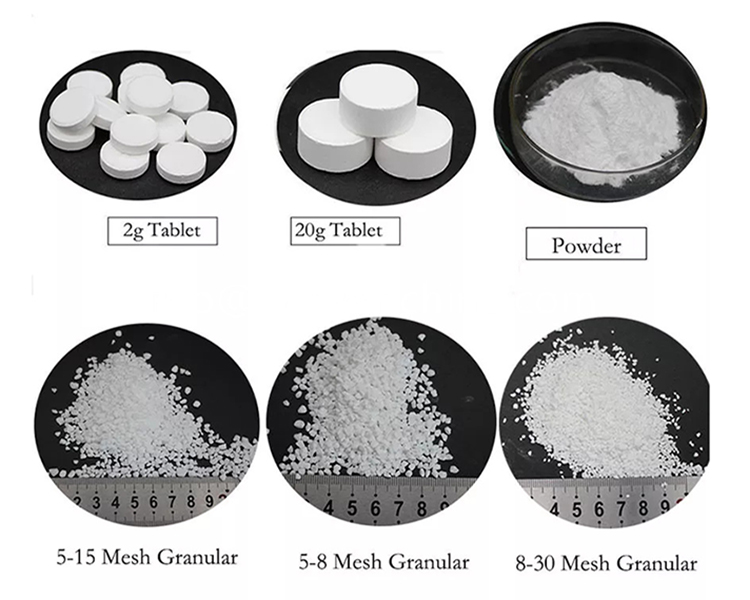
Calcium hypochlorite (Ca(OCl)₂) is an inorganic compound widely recognized for its powerful oxidizing and disinfecting capabilities. With a typical available chlorine content ranging from 65% to 70%, it significantly outperforms many alternative chlorine sources. The compound appears as a white granular or tablet form, making it convenient for storage, transportation, and application across diverse settings.
The molecular stability of calcium hypochlorite contributes to its extended shelf life compared to liquid chlorine alternatives. When properly stored in cool, dry conditions away from direct sunlight and organic materials, high-quality calcium hypochlorite can maintain its potency for up to 24 months. This characteristic makes it particularly valuable for facilities requiring consistent sanitation supplies without frequent replenishment.
Primary Applications in Industrial Sanitation
The versatility of calcium hypochlorite extends across multiple sectors:
- Water Treatment Plants: Municipal and industrial facilities rely on calcium hypochlorite for drinking water disinfection, wastewater treatment, and pool sanitation
- Food Processing Facilities: Surface disinfection and equipment sanitization require reliable chlorine sources that meet food safety regulations
- Healthcare Institutions: Hospital-grade disinfection protocols demand consistent chlorine release for pathogen elimination
- Agricultural Operations: Crop protection and livestock facility sanitation benefit from controlled chlorine application
- Emergency Response: Disaster relief organizations utilize calcium hypochlorite for rapid water purification in crisis situations
The Critical Importance of Stable Chlorine Release
What Defines Stable Chlorine Release?
Stable chlorine release refers to the consistent and predictable rate at which available chlorine is liberated from calcium hypochlorite during dissolution and application. This characteristic ensures that disinfection processes achieve target concentrations without dangerous fluctuations that could compromise safety or effectiveness.
Products with unstable chlorine release may experience rapid degradation, leading to:
- Inconsistent disinfection results
- Increased chemical consumption and operational costs
- Potential safety hazards from unexpected chlorine gas release
- Regulatory compliance challenges due to variable residual chlorine levels
Factors Influencing Chlorine Stability
Several manufacturing and storage variables impact chlorine release stability:
Manufacturing Quality Control: Premium calcium hypochlorite undergoes rigorous production processes that minimize impurities and ensure uniform granule composition. Advanced manufacturing techniques reduce moisture content below 5%, preventing premature decomposition during storage.
Packaging Technology: Moisture-resistant packaging with proper sealing mechanisms protects products from humidity exposure. High-density polyethylene containers with inner liner bags provide optimal protection for bulk shipments.
Storage Conditions: Even the highest quality calcium hypochlorite requires appropriate storage environments. Temperature-controlled warehouses maintaining levels below 30°C with relative humidity under 65% preserve product integrity throughout the supply chain.
Stabilizer Additives: Some manufacturers incorporate specialized stabilizing compounds that slow decomposition rates without affecting disinfection efficacy. These additives prove particularly valuable in tropical climates where heat and humidity accelerate chemical degradation.
Selecting the Right Calcium Hypochlorite Supplier for B2B Operations
Quality Certification Requirements
When evaluating potential suppliers, B2B buyers should verify multiple certification standards:
- ISO 9001 Quality Management: Demonstrates systematic quality control throughout manufacturing processes
- REACH Compliance: Ensures products meet European chemical safety regulations for international trade
- NSF/ANSI Standards: Critical for applications involving drinking water treatment
- Batch Testing Documentation: Suppliers should provide certificates of analysis for each production lot
Supply Chain Reliability Considerations
Global trade dynamics significantly impact calcium hypochlorite availability. Recent regulatory developments, including anti-dumping measures in certain markets, have reshaped supply chains. B2B purchasers should partner with suppliers demonstrating:
- Diversified production capabilities across multiple facilities
- Established logistics networks ensuring timely delivery
- Transparent communication regarding inventory levels and lead times
- Flexible order quantities accommodating both regular and emergency procurement needs
Cost-Effectiveness Beyond Unit Price
While pricing remains important, total cost of ownership provides a more accurate comparison metric. Consider:
- Active Chlorine Content: Higher concentration products require smaller doses, reducing overall consumption
- Shelf Life: Extended stability minimizes waste from product degradation
- Dissolution Rate: Faster-dissolving formulations improve operational efficiency
- Technical Support: Suppliers offering application guidance help optimize usage and prevent costly mistakes
Best Practices for Calcium Hypochlorite Handling and Storage
Safety Protocols for Industrial Users
Proper handling procedures protect workers and maintain product quality:
- Personal Protective Equipment: Always wear chemical-resistant gloves, safety goggles, and appropriate respiratory protection when handling calcium hypochlorite
- Ventilation Requirements: Ensure adequate airflow in storage and mixing areas to prevent chlorine gas accumulation
- Segregation Guidelines: Store separately from acids, organic materials, and reducing agents to prevent hazardous reactions
- Spill Response: Maintain emergency procedures and neutralizing agents readily available
Optimizing Storage Conditions
Maximize product longevity through proper storage management:
- Maintain warehouse temperatures between 10°C and 25°C
- Keep relative humidity below 65% using dehumidification systems when necessary
- Stack containers on pallets with adequate spacing for air circulation
- Implement first-in-first-out inventory rotation practices
- Conduct regular inspections for packaging integrity and signs of degradation
Environmental and Regulatory Compliance
Sustainable Disposal Practices
Responsible calcium hypochlorite usage includes proper end-of-life management:
- Neutralize unused solutions before discharge according to local regulations
- Recycle packaging materials through approved waste management programs
- Document disposal activities for regulatory compliance audits
- Train staff on environmental protection protocols
Meeting International Standards
Global sanitation operations must navigate varying regulatory frameworks. Leading suppliers provide documentation supporting compliance with:
- World Health Organization drinking water guidelines
- Environmental Protection Agency registration requirements
- European Biocidal Products Regulation standards
- Local municipal water treatment specifications
Conclusion
Selecting the best calcium hypochlorite for sanitation requires careful evaluation of stable chlorine release characteristics, supplier capabilities, and total operational costs. By prioritizing quality certifications, understanding storage requirements, and implementing proper handling protocols, B2B buyers can ensure consistent disinfection performance while maintaining regulatory compliance and cost efficiency.
The sanitation industry continues evolving with increasing emphasis on reliability, safety, and environmental responsibility. Partnering with experienced chemical suppliers who demonstrate commitment to these values positions your organization for long-term success in maintaining public health standards.
Frequently Asked Questions (FAQ)
Q1: What is the typical shelf life of calcium hypochlorite?
A: High-quality calcium hypochlorite stored under optimal conditions (cool, dry environment below 30°C with humidity under 65%) maintains effectiveness for 18-24 months. Products exposed to heat or moisture may degrade significantly faster.
Q2: How does calcium hypochlorite compare to sodium hypochlorite for industrial applications?
A: Calcium hypochlorite offers higher available chlorine content (65-70% vs. 10-15%), longer shelf life, and easier transportation. However, it requires proper dissolution before application, while sodium hypochlorite comes ready-to-use in liquid form.
Q3: What concentration should I use for water treatment applications?
A: Recommended concentrations vary by application. Drinking water treatment typically requires 1-3 mg/L residual chlorine, while swimming pools need 3-5 mg/L. Always consult local regulations and conduct regular water quality testing.
Q4: Can calcium hypochlorite be used for food processing facility sanitation?
A: Yes, when sourced from NSF-certified suppliers and used according to FDA guidelines. Proper rinsing protocols must follow application to ensure food safety compliance.
Q5: What should I look for when selecting a calcium hypochlorite supplier?
A: Prioritize suppliers with ISO certifications, batch testing documentation, reliable logistics networks, and technical support capabilities. Request samples for quality verification before committing to large orders.
Q6: How do I calculate the correct dosage for my sanitation needs?
A: Dosage depends on water volume, contamination levels, and target chlorine residual. Work with your supplier’s technical team to develop customized dosing protocols based on your specific operational requirements.
For more information about our calcium hypochlorite products and bulk pricing options, visit our contact page to connect with our sales team. https://envochemical.com/contact-us/
