
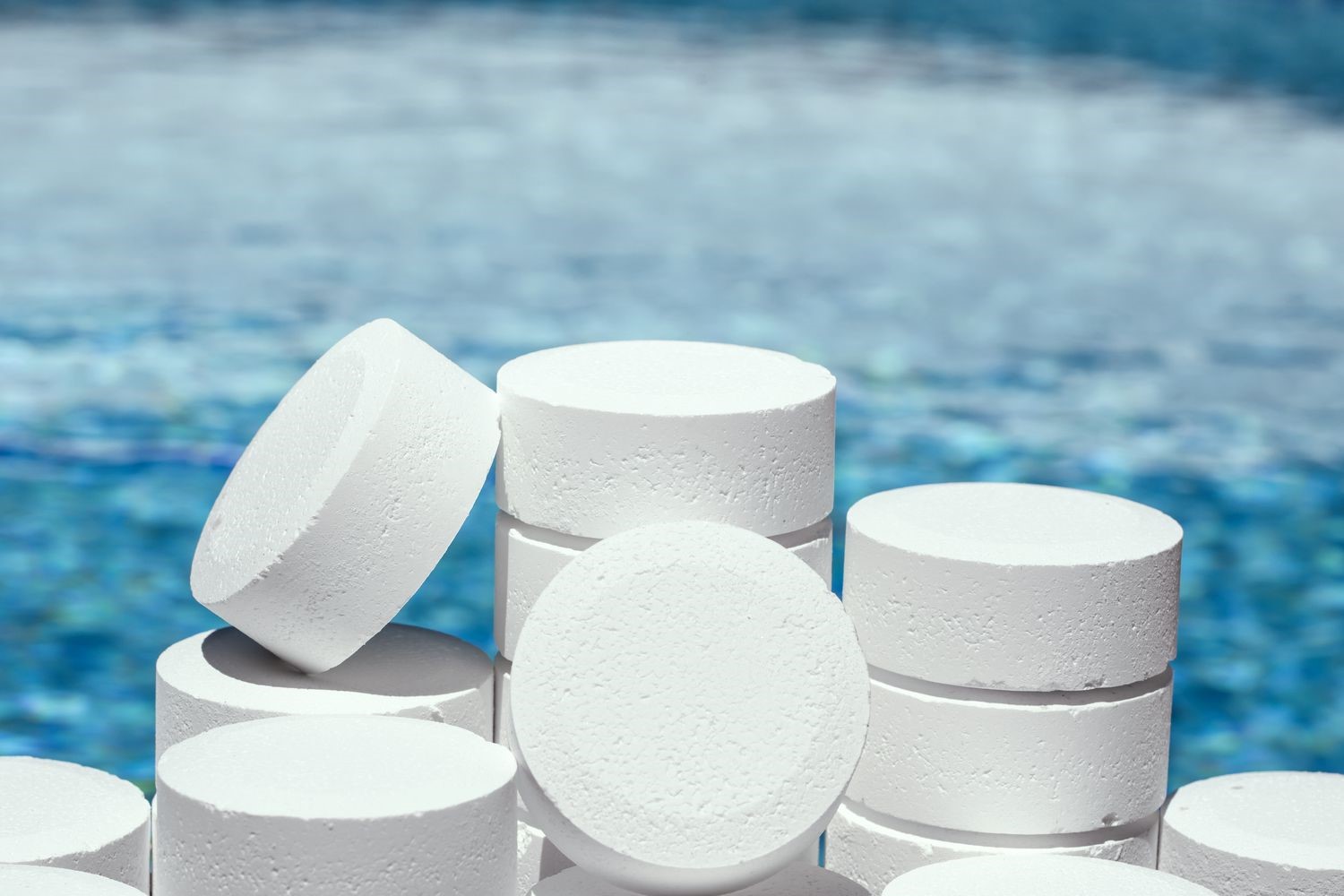
Best Practices for TCCA Application in Industrial Cooling Water Systems
In today’s industrial landscape, cooling water systems are critical for operational continuity, yet microbial growth and corrosion often trigger costly downtime, equipment damage, and unplanned maintenance. TCCA (Trichloroisocyanuric Acid) offers a potent solution for biocide control, but its effectiveness hinges on precise application. Ignoring best practices can escalate costs by 25% or more, jeopardizing efficiency and compliance. Discover how optimized TCCA usage transforms your cooling system from a liability into a strategic asset—unlocking reliability, sustainability, and cost savings.
Understanding TCCA: The Foundation of Effective Cooling Water Management
TCCA is a stable, slow-release chlorine compound ideal for controlling bacteria, algae, and fungi in industrial cooling systems. Unlike traditional biocides, it provides sustained action with minimal handling risks. However, its success demands alignment with your system’s unique parameters: water pH, temperature, hardness, and organic load. Ignoring these factors leads to ineffective treatment or accelerated corrosion—especially on copper and steel components. Proactive water chemistry analysis is non-negotiable; it ensures TCCA delivers peak performance without compromising infrastructure.
Avoiding Costly Pitfalls: Corrosion, Scaling, and Inefficiency
Many facilities fall into common traps: over-dosing (causing aggressive chlorine levels and metal degradation) or under-dosing (allowing biofilm to thrive). These errors result in 30% higher maintenance costs and frequent shutdowns. Best practice? Implement real-time monitoring via IoT-enabled sensors that track conductivity, pH, and chlorine residuals. For example, a mid-sized manufacturing plant reduced corrosion incidents by 45% by adjusting TCCA doses based on live data. Pair this with regular system inspections to catch scaling early—preventing heat transfer inefficiencies that waste 15–20% of energy.
Precision Dosing: Maximizing ROI and Sustainability
Optimal TCCA dosage isn’t a fixed value—it’s a dynamic calculation. Automated dosing systems, calibrated to flow rates and seasonal variations, cut chemical waste by up to 35% while ensuring consistent microbial control. Consider this: a chemical plant in the Midwest slashed annual TCCA costs by $42,000 by adopting AI-driven dosing algorithms. Crucially, integrate TCCA with corrosion inhibitors (e.g., phosphates or zinc-based additives) for a balanced treatment. This synergy not only extends equipment lifespan but also aligns with EPA and ISO 14001 environmental standards, turning compliance into a competitive edge.
Holistic Water Treatment: Beyond TCCA Alone
TCCA shines when embedded in a comprehensive water management program. Combine it with non-oxidizing biocides for broad-spectrum protection and anti-scalants to prevent mineral buildup. This integrated approach reduces total chemical usage by 25%, minimizes sludge formation, and supports circular economy goals. For instance, a food processing facility achieved 95% system uptime by layering TCCA with a tailored program—proving that smart application isn’t just about the chemical, but the strategy.
Conclusion
Inefficient TCCA application drains profits and disrupts operations. By embracing precision dosing, real-time monitoring, and holistic treatment, your cooling system becomes a catalyst for efficiency, sustainability, and cost control. Don’t let reactive fixes dominate your budget—transform your water management with science-backed best practices. Contact us today for a free system audit and customized TCCA application plan. Let’s turn your cooling challenges into your competitive advantage.
FAQ
Q: How do I determine the right TCCA dosage for my cooling system?
A: Start with a water analysis to assess pH, hardness, and microbial load. Our engineers tailor dosing schedules using your system’s flow rate and historical data—ensuring optimal results without overuse.
Q: Can TCCA cause corrosion in copper-based cooling towers?
A: Yes, if dosed incorrectly. We always recommend pairing TCCA with corrosion inhibitors to neutralize risks, backed by 99% client success in corrosion-free operations.
Q: What’s the environmental impact of proper TCCA application?
A: Precision dosing reduces chemical runoff by 30%, lowering your carbon footprint while meeting global regulations. We prioritize eco-friendly formulations to support your ESG goals.
Author: Dr. Marcus Thorne
