
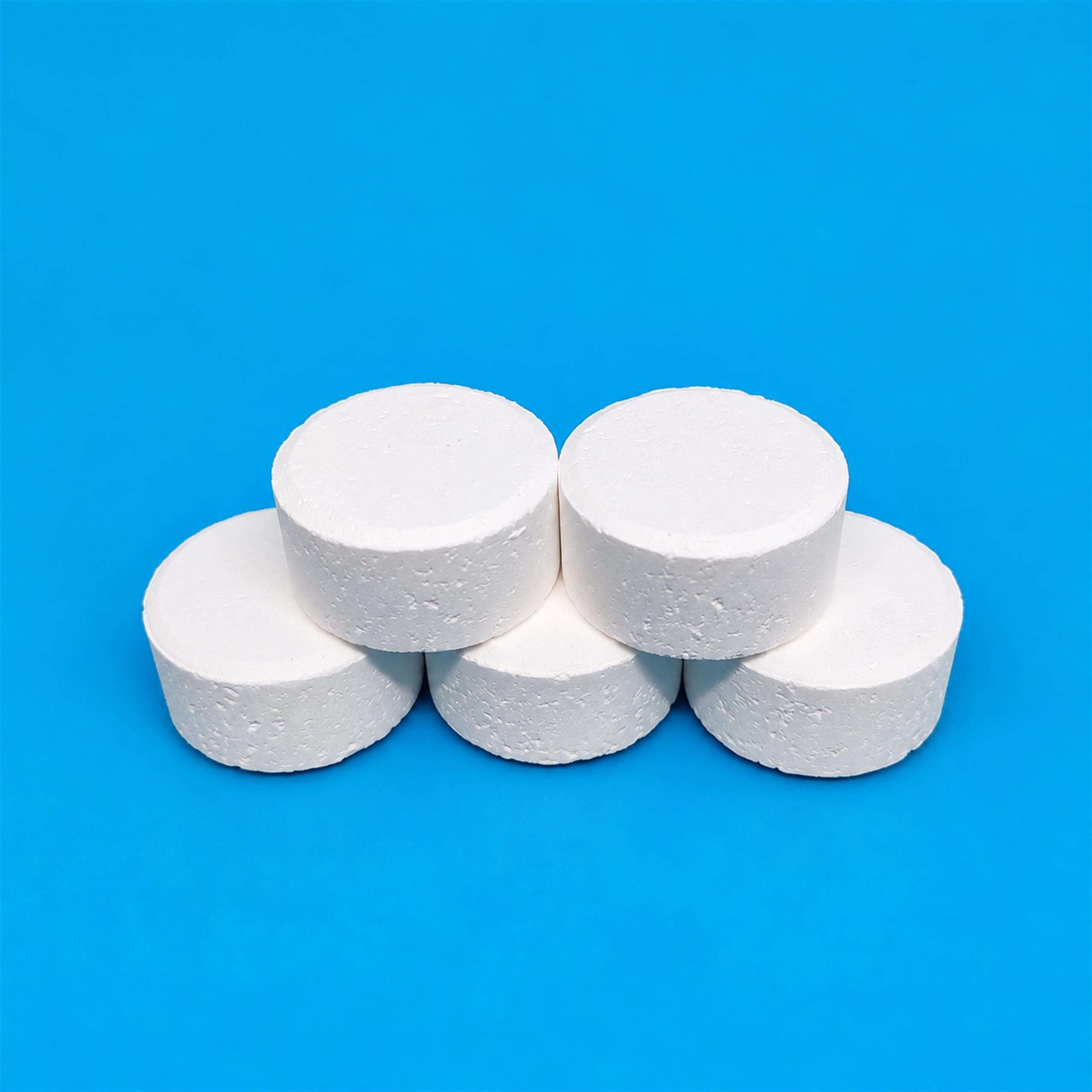
Why Batch Traceability Is Non-Negotiable in NaDCC Relief Distribution
Batch traceability in NaDCC relief distribution means assigning and recording a unique identifier to every production lot so that each unit can be followed from manufacture through storage, transit, and field use. Without it, a relief organization cannot verify which sodium dichloroisocyanurate (NaDCC) batch reached a camp, confirm that product specifications remained within acceptable limits, or quickly isolate and recall a lot if quality or safety issues arise. Building this system into relief supply chains requires a deliberate combination of labeling protocols, documentation workflows, and data-handling practices that survive the pressures of emergency logistics.
Defining the Traceability Scope Before You Ship
The first step is to decide what “batch” means for your NaDCC product in the relief context. NaDCC is commonly supplied as tablets, granules, or powder, each with different physical forms and packaging configurations. A batch may refer to a single production run identified by a lot number, or it may be subdivided into shipping cartons, pallets, or individual distribution kits. Clarifying the granularity up front prevents gaps later.
Practical considerations include:
- Lot-level identity: The manufacturer’s production lot number, typically printed on the inner packaging or accompanying certificate of analysis.
- Sub-lot breaks: If a single production lot is split across multiple shipments or depots, each split portion should inherit or be assigned a traceable sub-identifier linked back to the original lot.
- End-use unit: In relief settings, end-use units may be individual sachets, community-level jerry cans of solution, or centralized dosing equipment feedstock. The traceability chain must reach at least to the point where the product enters water-treatment or disinfection service.
Labeling and Coding NaDCC Batches for Field Conditions
Relief distribution environments are harsh. Labels on NaDCC containers must resist moisture, abrasion, and handling by multiple organizations. A reliable approach combines a durable primary label on the product container with a secondary record system that does not depend on the label surviving intact.
Primary container markings
Each NaDCC container should carry at minimum:
- Product name and chemical identity (sodium dichloroisocyanurate, with the common abbreviation NaDCC or NaDCC dihydrate/anhydrous as applicable)
- Lot or batch number
- Manufacturing date and, where relevant, expiry or re-test date
- Net weight and available chlorine content (expressed as a percentage, e.g., 56% or 60% available chlorine for typical tablet grades)
- Storage condition reminders (cool, dry, away from acids and combustible materials)
Labels should use permanent ink or laser etching on rigid containers and be laminated or sealed in a waterproof pouch on flexible packaging. QR codes or barcodes linked to a central database add value but must not be the sole traceability method; they can fail if devices or connectivity are unavailable in the field.
Secondary documentation
A paper or digital manifest accompanying each shipment should record:
- Supplier and manufacturer name
- Lot number and quantity per lot
- Date of dispatch and expected arrival
- Chain-of-custody handover points (warehouse, transport hub, distribution depot, field team)
- Receiving party and date of receipt
This manifest becomes the audit trail. Even if a QR code is scanned at each handover, the manifest provides a human-readable fallback and a record that can be reconciled later.
Linking NaDCC Lot Records to Quality and Regulatory Documents
Traceability gains its practical value when a batch record connects to quality evidence. For NaDCC used in drinking-water treatment during relief operations, the relevant documents typically include a certificate of analysis (CoA) showing available chlorine, moisture, pH of a solution, and any heavy-metal or contaminant limits that apply to the intended use.
The distribution planner should require that each NaDCC lot shipped for relief comes with a CoA or equivalent test report, and that this document is referenced in the shipment manifest by lot number. If the CoA is issued in a different language or format than the field team uses, a summary sheet with the critical parameters should accompany the physical product.
Where regulatory approval for drinking-water use is required in the destination country, the traceability system must also link the lot to the applicable approval or registration reference. Mixing a batch that is approved for surface disinfection with one approved for potable-water treatment creates both a compliance risk and a public-health risk.
Managing Batch Integrity Through Multi-Handover Supply Chains
Relief supply chains often involve four or more handovers: manufacturer to central warehouse, central warehouse to regional hub, regional hub to field depot, field depot to distribution team. At each handover, the risk is that lot information is dropped, merged, or recorded incorrectly.
Controls to reduce errors
- Standardized handover form: A single-page template that must be completed and signed (or digitally acknowledged) at every transfer point, capturing lot number, quantity, and condition.
- Segregation by lot: Physically keep different NaDCC lots separate in storage. Do not co-mingle tablets or sachets from different batches in the same bin unless a sub-lot identifier is created and recorded.
- First-expiring-first-out (FEFO) discipline: NaDCC degrades with heat and moisture. Tracking batch dates alongside lot numbers lets field teams use older stock first, reducing the chance of distributing a product past its usable life.
- Condition checks at receipt: Record any visible damage, moisture exposure, or broken seals against the specific lot number. This information travels with the batch record and flags lots that may need re-testing before use.
Digital Tools and Their Limitations in Emergency Settings
Spreadsheet-based or simple database systems can effectively manage NaDCC batch records if they are used consistently. More sophisticated logistics platforms with barcode scanning and cloud synchronization offer real-time visibility but depend on power, internet, and trained users. In many relief operations, connectivity is intermittent.
A pragmatic approach is to maintain a digital record where possible but to treat the paper manifest as the authoritative source. If a digital system is used, it should allow offline data entry with later synchronization and should never require online access to complete a handover.
What Happens When a Batch Fails or Is Recalled
The true test of batch traceability is the recall or quarantine scenario. If a NaDCC lot is found to have low available chlorine, excessive moisture, or contamination, the distribution organization must be able to answer three questions within hours:
- Which lots are affected?
- Where is every unit of those lots right now?
- Which populations or water points have already received product from those lots?
Without a working traceability chain, the only safe response is a broad precautionary recall that wastes product and delays service. With traceability, the organization can target only the affected lots, inform specific field teams, and limit disruption. This is why building the system before the first shipment matters more than retrofitting it after a problem occurs.
Practical First Steps for Relief Planners
If your organization is preparing to distribute NaDCC in a relief operation, start with these actions:
- Confirm with your NaDCC supplier that each lot will be shipped with a certificate of analysis and a clear, legible lot number on every container.
- Adopt a single handover template that captures lot number, quantity, date, and receiving party at every transfer point.
- Train warehouse and field staff to check and record lot numbers rather than treating product as undifferentiated stock.
- Decide in advance how you will segregate lots in storage and how you will handle co-mingling if it is unavoidable.
- Establish a process for flagging and quarantining a lot if quality concerns arise, and test that process with a tabletop exercise before deployment.
These steps do not require expensive software or specialized expertise, but they do require discipline and a culture that treats each NaDCC batch as a traceable unit rather than interchangeable inventory.
Talk to ENVO CHEMICAL About NaDCC Lot Documentation for Your Relief Program
If you are sourcing NaDCC for emergency water treatment or sanitation and need to understand what batch-level documentation and labeling we can provide with our product, contact us with your intended distribution scale and destination requirements so we can confirm the details that matter for your traceability plan.
