
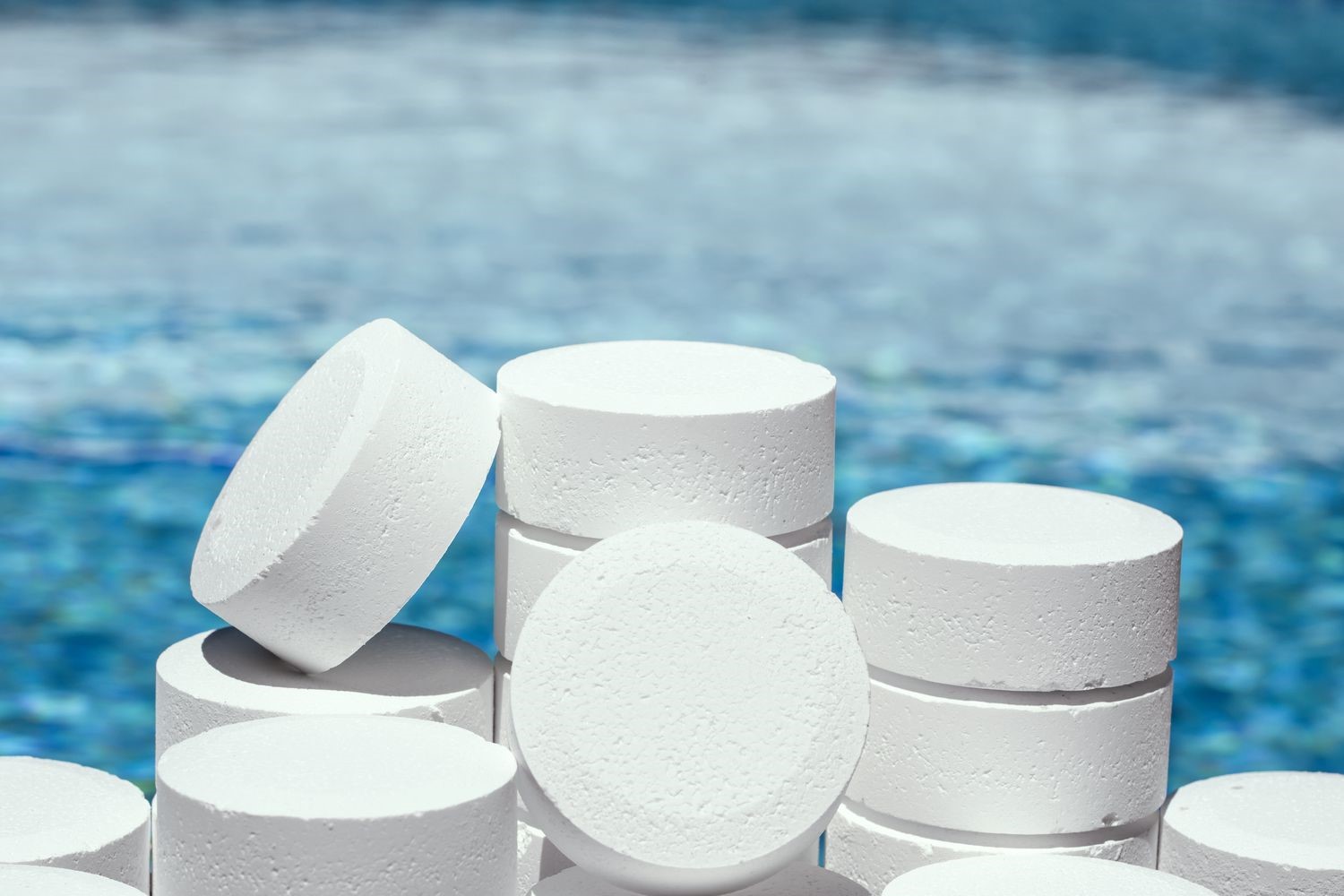
Bulk Buy Calcium Hypochlorite for Spa Resorts: Sanitation Bulk Buy Luxury
Introduction
In the luxury hospitality sector, maintaining impeccable water quality standards is not merely a regulatory requirement—it is a cornerstone of guest experience and brand reputation. For spa resorts, wellness centers, and high-end hospitality facilities, the choice of disinfection chemistry directly impacts operational efficiency, guest safety, and long-term cost management. Calcium hypochlorite stands as the industry-preferred solution for bulk sanitation procurement, offering superior efficacy, stability, and economic value for large-scale water treatment applications.
This comprehensive technical guide examines the critical specifications, performance metrics, and compliance frameworks that procurement managers, facility directors, and operations executives must evaluate when sourcing calcium hypochlorite for spa resort sanitation programs. Understanding these parameters ensures informed decision-making that balances performance, safety, and total cost of ownership.
1. Chemical Composition and Technical Specifications
1.1 Fundamental Molecular Properties
Calcium hypochlorite represents an inorganic compound with the molecular formula Ca(ClO)₂. The compound’s technical identity is defined by the following standardized parameters:
| Parameter | Specification |
|---|---|
| CAS Registry Number | 7778-54-3 |
| Molecular Weight | 142.98 g/mol |
| EINECS Number | 231-908-7 |
| MDL Number | MFCD00010900 |
| Chemical Classification | Inorganic Oxidizing Agent |
1.2 Available Chlorine Content Grades
Commercial calcium hypochlorite is manufactured in multiple concentration grades to accommodate diverse application requirements:
- 65% Available Chlorine Grade: Standard commercial specification for general pool and spa disinfection
- 70% Available Chlorine Grade: Premium grade offering enhanced oxidation capacity and extended shelf stability
- Technical Grade: Industrial specification for large-volume water treatment facilities
The available chlorine percentage directly correlates with disinfection potency and dosage requirements. Higher concentration grades reduce storage footprint and transportation costs per unit of active chlorine delivered.
1.3 Physical Characteristics
| Property | Value |
|---|---|
| Appearance | White granular powder or compressed tablets |
| Odor | Characteristic chlorine odor |
| Relative Density | 2.35 g/cm³ |
| Melting Point | 100°C (decomposition) |
| Water Solubility | 21 g/100 mL at 25°C |
| pH of Solution | 10.5-11.5 (alkaline) |
| Bulk Density | 800-1,000 kg/m³ (varies by form) |
2. Performance Metrics for Spa Resort Applications
2.1 Disinfection Efficacy Parameters
Calcium hypochlorite demonstrates broad-spectrum antimicrobial activity essential for spa and wellness facility water treatment:
Microbial Reduction Capability:
- Bacteria: 99.99% reduction within 15 minutes at 3-5 ppm free chlorine residual
- Viruses: 99.9% inactivation within 30 minutes at recommended dosage
- Fungi and Algae: Effective suppression at 5-10 ppm maintenance levels
- Biofilm Control: Oxidative disruption at shock treatment concentrations (10-20 ppm)
Oxidation-Reduction Potential (ORP):
- Target ORP Range: 650-750 mV for optimal disinfection
- Response Time: Rapid chlorine release within 5-10 minutes of dissolution
- Residual Stability: 48-72 hour maintenance in covered spa systems
2.2 Temperature Stability Performance
Spa facilities operate at elevated water temperatures (35-40°C), which accelerate chlorine dissipation. Calcium hypochlorite maintains effectiveness under these conditions:
| Water Temperature | Chlorine Half-Life | Recommended Maintenance Level |
|---|---|---|
| 25°C (Standard Pool) | 24-36 hours | 3-5 ppm |
| 35°C (Warm Spa) | 12-18 hours | 5-7 ppm |
| 40°C (Hot Tub) | 6-10 hours | 7-10 ppm |
2.3 Compatibility with Spa Systems
Modern spa resorts incorporate sophisticated circulation, filtration, and heating systems. Calcium hypochlorite compatibility considerations include:
- Material Compatibility: Safe for stainless steel, acrylic, fiberglass, and PVC components when used at recommended concentrations
- Filter Media: Compatible with sand, cartridge, and DE filtration systems
- Heating Elements: No corrosive impact on titanium or cupronickel heat exchangers at proper pH balance
- Automation Systems: Compatible with chlorine injection pumps and ORP-controlled dosing equipment
3. Regulatory Compliance and Industry Standards
3.1 NSF/ANSI 60 Certification
The National Sanitation Foundation (NSF) establishes critical health effects standards for drinking water treatment chemicals. NSF/ANSI 60 certification ensures:
- Contaminant extraction testing for heavy metals and toxic compounds
- Maximum allowable concentration limits for human exposure
- Manufacturing facility audits and quality system verification
- Annual recertification requirements for continued compliance
Procurement specifications should mandate NSF/ANSI 60 certification for all calcium hypochlorite products used in spa applications with potential human contact.
3.2 AWWA Standards Reference
The American Water Works Association (AWWA) provides additional technical standards:
- AWWA B300: Standard for hypochlorite products
- AWWA B301: Liquid hypochlorite specifications
- AWWA B303: Sodium hypochlorite reference (comparative benchmarking)
3.3 International Regulatory Frameworks
| Region | Regulatory Body | Key Requirement |
|---|---|---|
| United States | EPA | FIFRA registration for disinfectant claims |
| European Union | ECHA | REACH compliance and CLP classification |
| Canada | Health Canada | Pest Control Products Act registration |
| Australia | APVMA | Agricultural and Veterinary Chemicals Code |
3.4 Occupational Safety Standards
Facility operators must adhere to workplace safety regulations:
- OSHA Hazard Communication: Safety Data Sheet (SDS) availability and employee training
- Storage Requirements: Ventilated, cool, dry areas separated from organic materials
- PPE Specifications: Chemical-resistant gloves, eye protection, and respiratory protection during handling
4. Bulk Procurement Considerations
4.1 Packaging Options for Commercial Scale
Bulk calcium hypochlorite is available in multiple configurations optimized for resort operations:
| Package Type | Net Weight | Application Scale |
|---|---|---|
| Plastic Pails | 25-50 kg | Small to medium spas |
| Fiber Drums | 50-100 kg | Multi-facility resorts |
| Bulk Bags (FIBC) | 500-1,000 kg | Large resort complexes |
| ISO Containers | 15-20 metric tons | Regional distribution centers |
4.2 Shelf Life and Storage Stability
Proper storage conditions significantly impact product longevity:
- Unopened Containers: 24-36 months from manufacture date
- Optimal Storage Temperature: 15-25°C
- Maximum Storage Humidity: Below 60% relative humidity
- Degradation Rate: Approximately 1-2% available chlorine loss per year under ideal conditions
4.3 Total Cost of Ownership Analysis
Beyond unit price, procurement decisions should evaluate comprehensive cost factors:
Direct Costs:
- Product price per kilogram of available chlorine
- Transportation and logistics expenses
- Storage infrastructure requirements
Operational Costs:
- Labor for handling and dosing
- Equipment maintenance impacts
- Waste disposal compliance
Risk Mitigation:
- Supply chain reliability
- Quality consistency guarantees
- Technical support availability
4.4 Minimum Order Quantities and Lead Times
Commercial suppliers typically structure bulk programs with the following parameters:
- MOQ Range: 500 kg to 20 metric tons depending on supplier
- Production Lead Time: 7-21 days for standard grades
- Custom Formulations: 30-45 days for specialized requirements
- Port Availability: Major shipping hubs including Qingdao, Shanghai, and Tianjin for international procurement
5. Safety Protocols and Risk Management
5.1 Hazard Classification
Calcium hypochlorite carries specific hazard designations requiring appropriate handling procedures:
- GHS Classification: Oxidizing Solid Category 2, Acute Toxicity Category 4, Skin Corrosion Category 1B
- UN Number: UN 1748 (Calcium hypochlorite, dry) or UN 2880 (Calcium hypochlorite mixture, dry)
- Hazard Statements: H272 (May intensify fire), H302 (Harmful if swallowed), H314 (Causes severe skin burns)
5.2 Incompatibility Warnings
Critical segregation requirements prevent dangerous reactions:
- Organic Materials: Risk of spontaneous combustion upon contact
- Acids: Rapid chlorine gas release creating inhalation hazards
- Ammonia Compounds: Formation of explosive nitrogen trichloride
- Reducing Agents: Violent oxidation reactions possible
5.3 Emergency Response Procedures
Facility safety plans must address potential incidents:
- Spill Containment: Isolate area, prevent water contact, collect with non-combustible materials
- Fire Response: Use large quantities of water; avoid direct streams on product
- Exposure Treatment: Immediate flushing with water for 15 minutes; seek medical attention
- Environmental Protection: Prevent discharge to drains or waterways
6. Quality Assurance and Supplier Verification
6.1 Certificate of Analysis Requirements
Procurement specifications should mandate comprehensive documentation:
- Available chlorine content verification (±2% tolerance)
- Moisture content analysis (maximum 5% for premium grades)
- Heavy metals screening (lead, arsenic, mercury below detection limits)
- Particle size distribution for dissolution rate consistency
6.2 Manufacturing Standards
Preferred suppliers demonstrate commitment to quality systems:
- ISO 9001:2015 Quality Management certification
- ISO 14001:2015 Environmental Management compliance
- Regular third-party laboratory testing programs
- Traceability systems for batch tracking
6.3 Supply Chain Transparency
Risk mitigation requires visibility into production and distribution:
- Raw material sourcing documentation
- Manufacturing location verification
- Transportation security protocols
- Inventory management capabilities
7. Implementation Best Practices for Spa Resorts
7.1 Dosage Calculation Methodology
Accurate chlorine dosing ensures effective disinfection without over-treatment:
Basic Formula:
Required Product (kg) = (Target ppm × Water Volume in m³) ÷ (Available Chlorine % × 10)
Example Calculation:
For a 500 m³ spa pool requiring 5 ppm chlorine using 70% grade calcium hypochlorite:
Required Product = (5 × 500) ÷ (70 × 10) = 2,500 ÷ 700 = 3.57 kg
7.2 Monitoring and Testing Protocols
Consistent water quality maintenance requires systematic testing:
- Daily Testing: Free chlorine residual, pH, total alkalinity
- Weekly Testing: Calcium hardness, cyanuric acid (if applicable), combined chlorine
- Monthly Testing: Comprehensive water balance analysis, microbial sampling
7.3 Integration with Automation Systems
Modern spa facilities benefit from automated control systems:
- ORP-based feedback loops for real-time dosing adjustment
- Remote monitoring capabilities for multi-site operations
- Data logging for compliance documentation and trend analysis
- Alarm systems for out-of-range conditions
8. Environmental and Sustainability Considerations
8.1 Environmental Impact Profile
Calcium hypochlorite presents specific environmental characteristics:
- Aquatic Toxicity: Moderate toxicity to aquatic organisms; requires controlled discharge
- Biodegradability: Decomposes to calcium chloride and oxygen in water
- Carbon Footprint: Lower transportation emissions compared to liquid alternatives due to higher concentration
8.2 Waste Management Compliance
Facilities must establish proper disposal protocols:
- Neutralization procedures for excess solution
- Container recycling programs
- Documentation for regulatory reporting
- Contractor verification for hazardous waste handling
8.3 Sustainable Procurement Criteria
Leading resort operators incorporate sustainability metrics:
- Supplier environmental management certifications
- Packaging recyclability assessment
- Transportation optimization for reduced emissions
- Local sourcing preferences where quality permits
Conclusion
Calcium hypochlorite represents the optimal disinfection solution for spa resorts seeking to balance performance, compliance, and economic efficiency. The compound’s proven efficacy, regulatory acceptance, and bulk procurement advantages make it the industry standard for luxury hospitality water treatment programs.
Successful implementation requires thorough evaluation of technical specifications, supplier qualifications, and operational protocols. By prioritizing NSF/ANSI 60 certified products, establishing comprehensive safety procedures, and maintaining rigorous water quality monitoring, spa resort operators can deliver exceptional guest experiences while meeting all regulatory obligations.
Strategic bulk procurement partnerships enable cost optimization without compromising quality or safety. Facilities should develop long-term supplier relationships grounded in transparent communication, consistent quality verification, and mutual commitment to continuous improvement.
Frequently Asked Questions (FAQ)
Q1: What is the recommended chlorine residual level for spa pools?
A: Spa pools require higher chlorine residuals than standard swimming pools due to elevated water temperatures and bather load. The recommended free chlorine range is 5-10 ppm, with 7 ppm being optimal for most applications. Combined chlorine should remain below 0.5 ppm to prevent odor and irritation issues.
Q2: How often should calcium hypochlorite be added to spa water?
A: Dosing frequency depends on usage patterns and water temperature. High-traffic spas may require daily dosing, while lightly used facilities can maintain levels with 2-3 applications per week. Automated dosing systems provide continuous maintenance and reduce manual intervention requirements.
Q3: Can calcium hypochlorite be used with saltwater spa systems?
A: Calcium hypochlorite is not compatible with saltwater chlorination systems. Salt systems generate chlorine electrolytically from dissolved salt, making additional chlorine addition unnecessary and potentially damaging to system components. Calcium hypochlorite is intended for traditional freshwater spa applications.
Q4: What is the shelf life of bulk calcium hypochlorite?
A: Properly stored calcium hypochlorite maintains effectiveness for 24-36 months from manufacture date. Storage conditions significantly impact longevity—products should be kept in cool, dry, well-ventilated areas away from direct sunlight and moisture. Annual quality testing is recommended for inventory exceeding 12 months.
Q5: How does calcium hypochlorite compare to sodium hypochlorite for spa applications?
A: Calcium hypochlorite offers several advantages over sodium hypochlorite (liquid bleach):
- Higher available chlorine content (65-70% vs. 10-15%)
- Extended shelf stability (2-3 years vs. 3-6 months)
- Reduced storage volume requirements
- Lower transportation costs per unit of active chlorine
- No pH depression effect on pool water
However, calcium hypochlorite requires proper dissolution before application and carries higher oxidation hazard classification.
Q6: What certifications should I require from calcium hypochlorite suppliers?
A: Minimum certification requirements include:
- NSF/ANSI 60 certification for health effects compliance
- ISO 9001:2015 Quality Management System
- Current Safety Data Sheet (SDS) compliant with GHS standards
- Certificate of Analysis for each batch
- Regulatory registration documentation for your jurisdiction
Additional preferred certifications include ISO 14001 environmental management and third-party laboratory testing verification.
Q7: Is calcium hypochlorite safe for guests with sensitive skin?
A: When maintained at proper concentrations (5-10 ppm) and balanced pH (7.2-7.6), calcium hypochlorite-treated water is safe for most individuals including those with sensitive skin. However, facilities should monitor combined chlorine levels and provide alternative treatment options for guests with documented chemical sensitivities. Regular water testing and proper ventilation minimize irritation risks.
Q8: What is the typical lead time for bulk calcium hypochlorite orders?
A: Standard grade products typically ship within 7-14 days from order confirmation. Custom formulations or specialized packaging may require 30-45 days. International shipments add 2-6 weeks depending on destination and customs clearance. Establishing standing orders with suppliers can reduce lead times and ensure inventory continuity.
For comprehensive product specifications, pricing information, and technical support, please visit our contact page to connect with our commercial sales team.
