
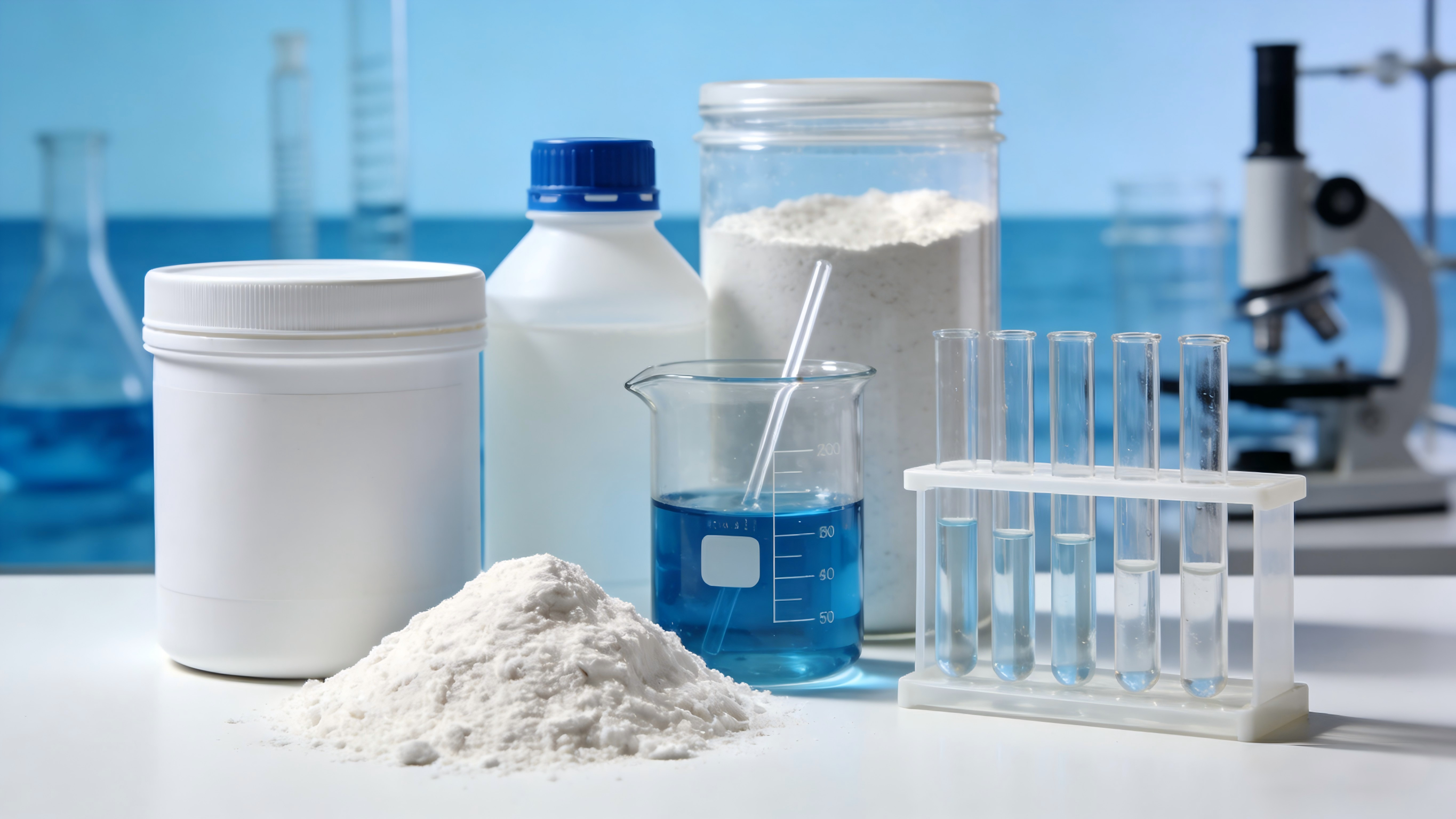
Bulk Buy Calcium Hypochlorite for Spas: Options Treatment Luxury Resort
Introduction: Why Water Quality Defines Your Resort’s Reputation
After spending fifteen years in the water treatment chemical industry, I’ve witnessed firsthand how a single water quality issue can transform a five-star guest experience into a nightmare of complaints and negative reviews. When affluent travelers book a luxury resort spa, they’re not just purchasing a service—they’re investing in an expectation of purity, safety, and indulgence. Nothing shatters that expectation faster than cloudy water, chemical odors, or skin irritation from improperly balanced treatment systems.
Calcium hypochlorite remains the gold standard for commercial spa sanitation, yet many resort procurement managers still struggle with finding reliable bulk suppliers who understand the unique demands of high-end hospitality operations. This article draws from my extensive field experience to guide you through the critical considerations when purchasing calcium hypochlorite in bulk for luxury resort spa facilities.
Understanding Calcium Hypochlorite: The Science Behind Effective Spa Sanitation
Chemical Composition and Effectiveness
Calcium hypochlorite (Ca(OCl)₂) delivers approximately 65-70% available chlorine, making it significantly more potent than many alternative sanitizers. This high concentration means you’re purchasing actual sanitizing power rather than filler material. For luxury resorts operating multiple spa pools, hot tubs, and therapeutic water features, this efficiency translates directly into operational cost savings without compromising water quality standards.
The compound works by releasing hypochlorous acid when dissolved in water, which attacks bacterial cell walls and oxidizes organic contaminants. Unlike slower-acting alternatives, calcium hypochlorite provides rapid disinfection—critical for high-traffic resort spas where turnover between guest sessions may be minimal.
Why Luxury Resorts Choose Calcium Hypochlorite Over Alternatives
I’ve consulted with procurement teams at properties ranging from boutique mountain retreats to sprawling Caribbean resort complexes. The consistent feedback centers on three advantages:
Rapid Dissolution: Premium granular formulations dissolve quickly without leaving residue that could clog filtration systems or create unsightly deposits on spa surfaces.
Stable Storage: When stored properly in climate-controlled environments, calcium hypochlorite maintains potency for extended periods, reducing waste from degraded product.
Predictable Performance: Experienced spa technicians can accurately dose based on bather load, water temperature, and usage patterns—essential for maintaining consistent water quality across multiple treatment vessels.
Bulk Purchasing Considerations for Resort Operations
Determining Your Actual Consumption Needs
Before requesting quotes from suppliers, conduct a thorough audit of your current consumption patterns. Many resorts discover they’re either over-ordering (tying up capital in excess inventory) or under-ordering (facing emergency rush orders at premium prices). Track these metrics over a ninety-day period:
- Average daily bather load per spa unit
- Water temperature settings and seasonal variations
- Current dosage rates and frequency
- Storage capacity and environmental controls
- Delivery lead times from existing suppliers
This data becomes your negotiation leverage when discussing volume pricing and delivery schedules with potential suppliers.
Quality Certifications That Matter
Not all calcium hypochlorite products meet the stringent requirements of luxury hospitality operations. Request documentation for:
NSF/ANSI Standard 60 Certification: Ensures the product meets drinking water treatment chemical requirements, providing an extra safety margin for spa applications where water contact is intimate and prolonged.
ISO 9001 Manufacturing Standards: Indicates consistent quality control throughout production batches—critical when you’re purchasing multiple tons that must perform identically.
Certificate of Analysis: Every shipment should include batch-specific testing results showing available chlorine percentage, moisture content, and impurity levels.
Packaging Options for Different Resort Scales
50kg Drums: Ideal for smaller boutique properties with limited storage space and moderate consumption rates.
500kg IBC Totes: Cost-effective for mid-size resorts with dedicated chemical storage facilities and regular consumption patterns.
Bulk Isotank Delivery: Maximum efficiency for large resort complexes or management groups purchasing centrally for multiple properties. Requires specialized receiving equipment but delivers the lowest per-unit cost.
Storage and Handling Best Practices
Climate-Controlled Storage Requirements
Calcium hypochlorite demands respect. I’ve investigated too many incidents where improper storage led to product degradation or, worse, safety incidents. Your storage facility must maintain:
- Temperature between 50-85°F (10-29°C)
- Relative humidity below 60%
- Complete separation from organic materials, acids, and ammonia-based products
- Adequate ventilation to prevent chlorine gas accumulation
- Non-combustible construction materials
Staff Training Protocols
Even the highest-quality product becomes dangerous in untrained hands. Implement mandatory training covering:
- Proper personal protective equipment usage
- Safe dissolution procedures (always add chemical to water, never water to chemical)
- Emergency response for spills or exposure
- Accurate dosing calculations based on water volume and test results
Cost Analysis: Beyond the Per-Ton Price
Hidden Costs That Impact Your Bottom Line
Experienced procurement professionals look beyond the quoted price per metric ton. Consider these factors:
Freight and Logistics: Remote resort locations may face substantial shipping premiums that erase apparent savings from lower base prices.
Product Stability: Cheaper formulations may degrade faster in tropical climates, requiring more frequent replacement and creating inconsistent water treatment results.
Technical Support: Suppliers offering on-site training, water testing assistance, and emergency consultation provide value that outweighs modest price differences.
Payment Terms: Flexible terms (L/C, T/T arrangements) improve cash flow management compared to upfront payment requirements.
Building Long-Term Supplier Relationships
The most successful resort operators treat chemical suppliers as strategic partners rather than transactional vendors. Establish relationships with suppliers who:
- Understand hospitality industry seasonal fluctuations
- Offer consistent quality across multiple production batches
- Provide responsive customer service across time zones
- Maintain adequate inventory to handle emergency orders
- Share industry best practices and regulatory updates
Environmental and Regulatory Compliance
Discharge Regulations
Luxury resorts face increasing scrutiny regarding water discharge. Work with suppliers who provide guidance on:
- Dechlorination procedures before water discharge
- Local environmental agency requirements
- Documentation for compliance audits
- Alternative treatment options for sensitive ecosystems
Guest Safety Documentation
Maintain comprehensive records demonstrating due diligence in water treatment practices. This protects your property from liability claims and satisfies insurance requirements. Your supplier should provide:
- Safety Data Sheets updated within the last three years
- Product liability insurance documentation
- Usage guidelines specific to spa applications
- Emergency contact information for technical support
Making the Final Decision: A Procurement Checklist
Before signing contracts, verify:
✓ Product specifications match your operational requirements
✓ Delivery schedules align with consumption patterns
✓ Storage facilities meet manufacturer recommendations
✓ Staff training programs are scheduled and documented
✓ Emergency supply arrangements are in place
✓ Payment terms support your cash flow management
✓ Quality testing protocols are established and understood
✓ Environmental compliance requirements are addressed
Conclusion: Investing in Water Quality Excellence
The difference between a memorable spa experience and a forgettable one often comes down to water quality that guests notice only through its absence—no odors, no irritation, no cloudiness. Bulk calcium hypochlorite purchasing decisions directly impact this invisible but essential element of luxury hospitality.
Choose suppliers who understand that you’re not simply buying chemicals—you’re investing in guest satisfaction, operational efficiency, and brand reputation. The right partnership delivers consistent product quality, reliable logistics, and technical expertise that keeps your spa operations running flawlessly season after season.
Frequently Asked Questions
Q: What is the typical shelf life of bulk calcium hypochlorite?
A: When stored under proper conditions (cool, dry, ventilated), calcium hypochlorite maintains approximately 90% of its original potency for 12-18 months. However, tropical resort environments may reduce this to 9-12 months. Implement first-in-first-out inventory rotation and conduct quarterly potency testing.
Q: How do I calculate the correct dosage for my spa pools?
A: Dosage depends on water volume, bather load, and current chlorine levels. As a general guideline, 1 pound of 65% calcium hypochlorite raises chlorine by approximately 10 ppm in 10,000 gallons. However, always test before and after treatment. Your supplier should provide detailed dosing calculators specific to your equipment and usage patterns.
Q: Can calcium hypochlorite damage spa equipment or surfaces?
A: Properly dosed calcium hypochlorite will not damage quality spa equipment. However, overdosing can corrode metal components and degrade certain surface materials. Maintain chlorine levels between 3-5 ppm for spas and ensure proper pH balance (7.4-7.6) to minimize equipment stress.
Q: What emergency procedures should we have in place?
A: Maintain spill containment kits, eyewash stations, and safety showers in chemical storage areas. Train staff on evacuation procedures for significant releases. Keep supplier emergency contact information prominently displayed and ensure local emergency services are aware of chemical storage locations on your property.
Q: Are there eco-friendly alternatives for environmentally sensitive resort locations?
A: Some coastal and island resorts face discharge restrictions that limit traditional chlorine treatments. Discuss options with your supplier including reduced-dose systems, supplemental UV treatment, or alternative sanitizers that may work in combination with calcium hypochlorite to minimize environmental impact while maintaining sanitation standards.
Author: Marcus Richardson
Yes, please include the contact page link at the end: https://envochemical.com/contact-us/
