
Bulk Buy SDIC for Aquaculture: Sustainable Fish
Author: Dr. Marcus Richardson
Introduction
The global aquaculture industry faces unprecedented challenges in 2026. Disease outbreaks, water quality management, and sustainability pressures threaten profit margins and operational efficiency. Forward-thinking fish farm operators are turning to proven disinfection solutions that balance effectiveness with environmental responsibility. Sodium Dichloroisocyanurate (SDIC) has emerged as the cornerstone chemical for sustainable aquaculture water treatment. This comprehensive guide explores why bulk purchasing SDIC represents a strategic investment for commercial fish farming operations seeking long-term viability.
Understanding SDIC in Modern Aquaculture
What Makes SDIC the Preferred Choice?
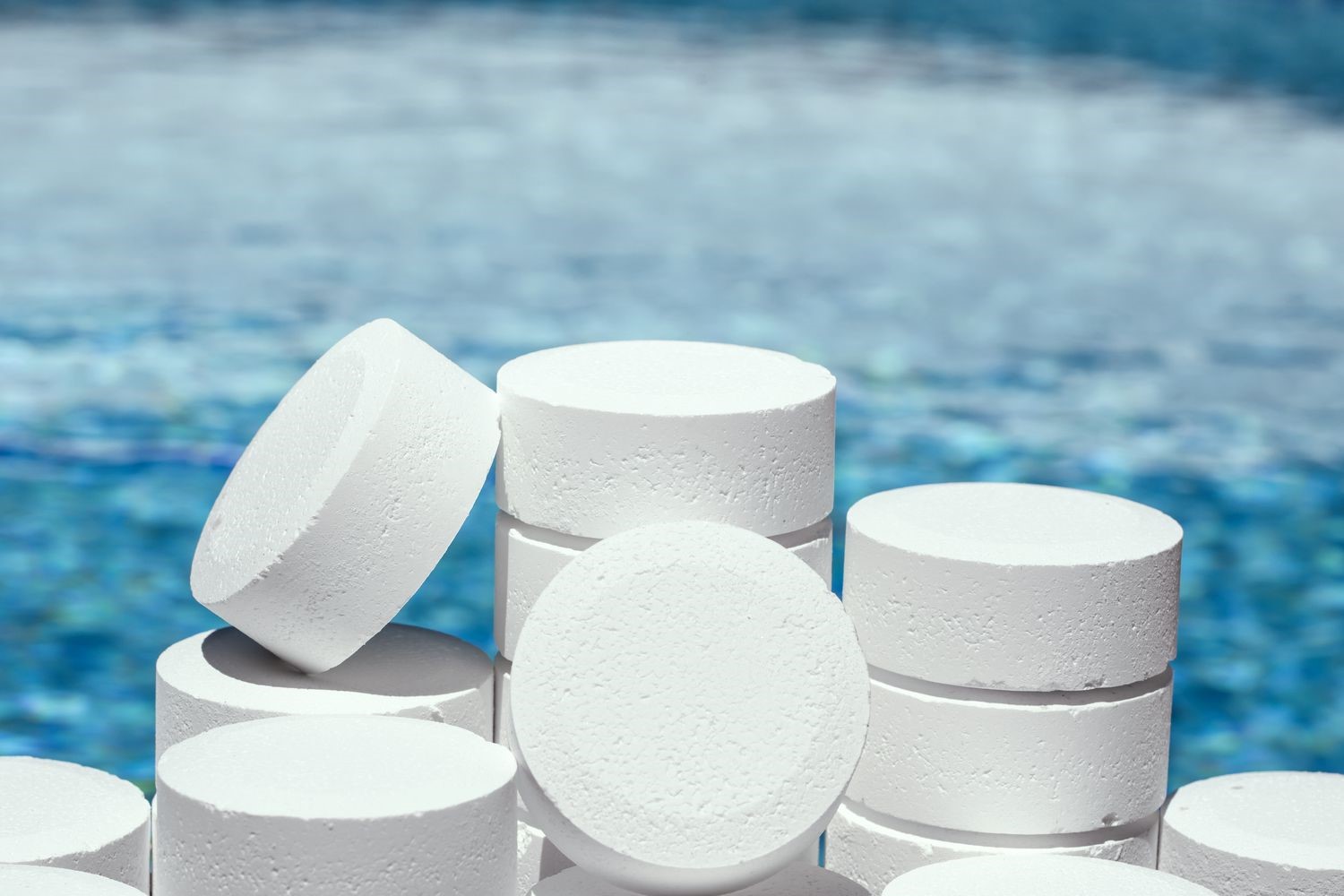
Sodium Dichloroisocyanurate (CAS 2893-78-9) is a broad-spectrum, high-efficiency disinfectant containing 55-60% available chlorine. Unlike traditional chlorine compounds, SDIC offers superior stability, controlled release properties, and minimal environmental impact when used correctly. The compound dissolves readily in water, making it ideal for large-scale aquaculture applications where consistent dosing is critical.
Key Benefits for Fish Farm Operations
- Rapid Pathogen Control: Effectively eliminates bacteria, viruses, and fungi that threaten fish health
- Extended Residual Protection: Maintains disinfecting power longer than liquid chlorine alternatives
- Cost-Effective Bulk Pricing: Wholesale purchasing reduces per-unit costs by 30-45%
- Simplified Storage: Stable powder or granule form requires less specialized containment
- Regulatory Compliance: Meets international aquaculture safety standards when applied according to guidelines
Addressing Critical B2B Pain Points
Challenge 1: Inconsistent Water Quality Management
Fluctuating water parameters lead to stress-induced disease outbreaks. Many aquaculture facilities struggle with maintaining stable disinfection levels across multiple ponds or tanks.
Solution: Bulk SDIC supply ensures consistent product quality and availability. Establishing long-term supplier relationships guarantees uninterrupted treatment schedules, preventing costly gaps in water quality management.
Challenge 2: Rising Operational Costs
Chemical expenses represent 15-25% of total operational budgets for medium to large fish farms. Spot purchasing at retail prices erodes profit margins significantly.
Solution: Strategic bulk buying locks in favorable pricing, reduces shipping frequency, and minimizes administrative overhead. Volume discounts directly improve bottom-line performance.
Challenge 3: Supply Chain Reliability
Global chemical supply disruptions have taught aquaculture operators the value of dependable suppliers. Emergency sourcing at premium prices damages financial planning.
Solution: Partnering with established SDIC manufacturers provides supply security, technical support, and flexible delivery scheduling aligned with production cycles.
Challenge 4: Environmental Compliance Pressure
Regulatory bodies increasingly scrutinize aquaculture discharge quality. Improper disinfectant use risks fines and operational restrictions.
Solution: Premium-grade SDIC from certified suppliers comes with comprehensive documentation, usage guidelines, and environmental impact data supporting compliance reporting.
Sustainable Fish Farming Through Strategic Chemical Management
Sustainability in aquaculture extends beyond feed sources and energy consumption. Responsible disinfection practices protect surrounding ecosystems while maintaining productive operations. SDIC’s controlled chlorine release minimizes harmful byproduct formation compared to alternative treatments.
Bulk purchasing supports sustainability goals by:
- Reducing packaging waste through larger container formats
- Lowering carbon footprint via consolidated shipping
- Enabling precise dosing that prevents chemical overuse
- Supporting long-term supplier partnerships focused on continuous improvement
Making the Right Bulk Purchase Decision
Evaluation Criteria for SDIC Suppliers
When selecting a bulk SDIC supplier for aquaculture applications, consider:
- Purity Certification: Request certificates of analysis confirming 55-60% available chlorine content
- Manufacturing Standards: Verify ISO certification and quality management systems
- Technical Support: Assess availability of application guidance and troubleshooting assistance
- Delivery Capabilities: Confirm ability to meet your volume requirements and scheduling needs
- Documentation: Ensure comprehensive safety data sheets and regulatory compliance papers are provided
Recommended Order Quantities
Small to medium operations (5-50 tons annually) benefit from quarterly bulk orders. Large-scale facilities (50+ tons annually) should negotiate annual contracts with scheduled deliveries aligned with production peaks.
Conclusion
The decision to bulk buy SDIC for aquaculture operations represents more than a purchasing choice—it’s a strategic commitment to operational excellence, cost management, and sustainable fish farming practices. By addressing critical pain points around water quality, operational costs, supply reliability, and environmental compliance, strategic SDIC procurement positions your aquaculture business for long-term success in an increasingly competitive market.
Partner with reputable suppliers who understand aquaculture-specific requirements and can provide the technical support necessary for optimal results. The investment in quality bulk SDIC pays dividends through healthier fish, reduced mortality rates, and improved operational efficiency.
Frequently Asked Questions
Q1: What is the typical shelf life of bulk SDIC for aquaculture use?
A: Properly stored SDIC maintains effectiveness for 2-3 years. Store in cool, dry conditions away from direct sunlight and moisture to maximize shelf life.
Q2: How do I determine the correct dosage for my fish farm?
A: Dosage varies based on water volume, target pathogens, and fish species. Consult with your supplier’s technical team for application-specific recommendations. Typical ranges fall between 0.5-2.0 ppm for preventive treatment.
Q3: Is SDIC safe for all fish species?
A: SDIC is safe for most commercial fish species when used according to guidelines. However, sensitive species may require adjusted dosing. Always conduct small-scale testing before full implementation.
Q4: What documentation should I expect from bulk SDIC suppliers?
A: Reputable suppliers provide Certificates of Analysis, Safety Data Sheets, regulatory compliance documentation, and usage guidelines specific to aquaculture applications.
Q5: Can I negotiate pricing for annual bulk purchase contracts?
A: Yes. Annual contracts typically offer 15-30% savings compared to spot purchasing. Volume commitments enable suppliers to optimize production and pass savings to buyers.
Ready to optimize your aquaculture disinfection strategy? Contact our team for customized bulk SDIC solutions tailored to your operational needs.
