
Bulk Buy SDIC for Hospitals: Infection Sterile Bulk Prevention
Introduction
In today’s healthcare landscape, maintaining sterile environments and preventing infections within hospital facilities has become more critical than ever. Healthcare-associated infections (HAIs) pose significant risks to patient safety and operational efficiency. Sodium Dichloroisocyanurate (SDIC) has emerged as a cornerstone solution for comprehensive infection control protocols. This article explores why bulk purchasing SDIC for hospitals represents a strategic investment in sterile prevention and operational excellence.
Understanding SDIC: The Science Behind Effective Disinfection
What Is Sodium Dichloroisocyanurate?
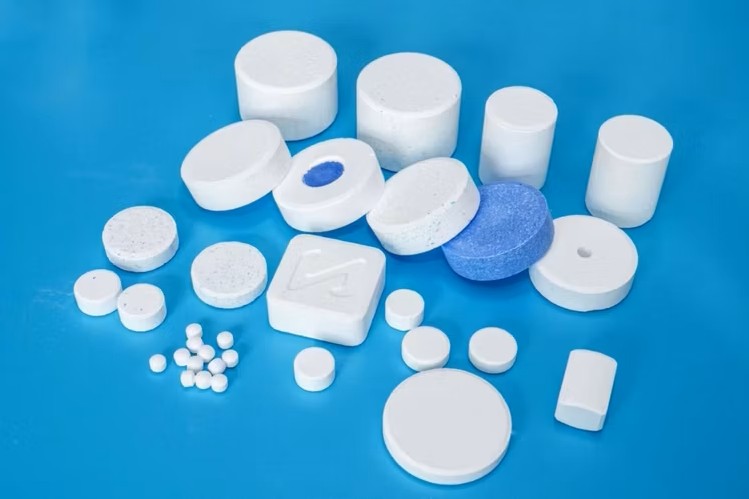
Sodium Dichloroisocyanurate, commonly abbreviated as SDIC, is an organic chlorinated compound with the chemical formula C3Cl2N3NaO3 and CAS number 2893-78-9. This white crystalline powder or granular substance serves as a powerful oxidizing disinfectant with broad-spectrum antimicrobial properties.
Key Chemical Properties
SDIC demonstrates exceptional stability and solubility characteristics that make it ideal for hospital environments:
- Available Chlorine Content: Typically ranges from 56% to 60%
- Solubility: Highly soluble in water, facilitating easy preparation of disinfection solutions
- Stability: Maintains effectiveness over extended storage periods when properly handled
- pH Range: Effective across various pH conditions commonly found in healthcare settings
Why Hospitals Choose Bulk SDIC for Infection Prevention
Comprehensive Pathogen Elimination
Hospital environments require disinfectants capable of eliminating diverse microbial threats. SDIC delivers proven efficacy against:
- Bacterial spores and vegetative bacteria
- Fungi and yeast organisms
- Viruses including hepatitis pathogens
- Protozoan parasites
This broad-spectrum capability ensures comprehensive protection across all hospital departments, from surgical suites to patient wards.
Cost-Effectiveness Through Bulk Purchasing
Procuring SDIC in bulk quantities offers significant financial advantages for healthcare institutions:
- Reduced Unit Costs: Volume purchasing dramatically lowers per-unit expenses
- Supply Chain Stability: Bulk inventory buffers against market fluctuations and supply disruptions
- Operational Efficiency: Minimizes frequent reordering processes and administrative overhead
- Budget Predictability: Long-term contracts enable accurate financial planning
Sterile Environment Maintenance
Maintaining sterile conditions requires consistent, reliable disinfection protocols. SDIC supports this through:
- Rapid microbial kill rates
- Residual disinfection activity
- Compatibility with various application methods
- Minimal surface corrosion when used at recommended concentrations
Implementation Strategies for Hospital SDIC Programs
Proper Dilution and Application
Effective infection prevention depends on correct SDIC utilization:
- Surface Disinfection: Typical concentrations range from 500-1000 ppm available chlorine
- Instrument Soaking: Higher concentrations may be required for medical equipment sterilization
- Water Treatment: Lower concentrations suffice for potable water disinfection
- Waste Management: Specific protocols address biohazardous material treatment
Safety Protocols and Staff Training
Hospital personnel must understand safe handling procedures:
- Personal protective equipment requirements
- Proper storage conditions away from incompatible materials
- Ventilation considerations for mixing areas
- Emergency response procedures for accidental exposure
Quality Assurance and Compliance
Healthcare facilities must ensure SDIC products meet regulatory standards:
- Certificate of Analysis verification
- Batch testing documentation
- Compliance with local health authority regulations
- Regular supplier audits and quality reviews
Selecting the Right SDIC Supplier for Hospital Needs
Critical Supplier Evaluation Criteria
When identifying bulk SDIC suppliers, hospitals should assess:
- Manufacturing Capabilities: Production capacity and consistency
- Quality Certifications: ISO, GMP, or other relevant accreditations
- Technical Support: Availability of application expertise and troubleshooting
- Logistics Infrastructure: Reliable delivery networks and emergency supply options
- Regulatory Documentation: Complete MSDS and compliance paperwork
Partnership Benefits
Establishing long-term supplier relationships delivers additional advantages:
- Priority allocation during high-demand periods
- Customized packaging solutions
- Joint quality improvement initiatives
- Preferential pricing structures
Environmental Considerations and Sustainable Practices
Modern hospitals increasingly prioritize environmental responsibility alongside infection control. SDIC offers several sustainability benefits:
- Biodegradable breakdown products
- Reduced packaging waste through bulk purchasing
- Lower transportation emissions per unit delivered
- Minimal environmental persistence compared to alternative disinfectants
Conclusion
Bulk buying SDIC for hospitals represents a strategic approach to infection sterile bulk prevention that combines efficacy, economy, and operational efficiency. Healthcare institutions that invest in quality SDIC supplies through reputable bulk suppliers position themselves for superior infection control outcomes while optimizing resource allocation.
The path to enhanced patient safety and operational excellence begins with informed procurement decisions. Healthcare facilities seeking reliable SDIC solutions should prioritize suppliers who demonstrate commitment to quality, consistency, and customer support.
Frequently Asked Questions (FAQ)
Q1: What is the typical shelf life of bulk SDIC?
A: Properly stored SDIC maintains effectiveness for 12-24 months. Store in cool, dry conditions away from direct sunlight and moisture to maximize shelf life.
Q2: How do I calculate proper SDIC dilution ratios for hospital applications?
A: Dilution depends on the specific application. Surface disinfection typically requires 500-1000 ppm available chlorine. Consult your supplier’s technical documentation for precise calculations based on your product’s available chlorine content.
Q3: Is SDIC safe for use on all hospital surfaces?
A: SDIC is compatible with most hard surfaces. However, test on sensitive materials first. Avoid use on certain metals that may corrode with prolonged exposure to chlorine-based disinfectants.
Q4: What packaging options are available for bulk SDIC purchases?
A: Common bulk packaging includes 25kg bags, 50kg drums, and 1000kg tote bags. Custom packaging solutions may be available based on your facility’s specific requirements.
Q5: How quickly can bulk SDIC orders be delivered?
A: Delivery timelines vary by supplier and location. Established suppliers typically offer 7-14 day delivery for standard orders, with expedited options available for urgent needs.
Q6: What documentation should I request from SDIC suppliers?
A: Request Certificate of Analysis, Material Safety Data Sheet (MSDS), quality certifications, and regulatory compliance documentation for your records and audits.
Ready to enhance your hospital’s infection prevention program with quality SDIC solutions? Explore our comprehensive bulk purchasing options and discover how strategic procurement can transform your sterile prevention protocols.
