
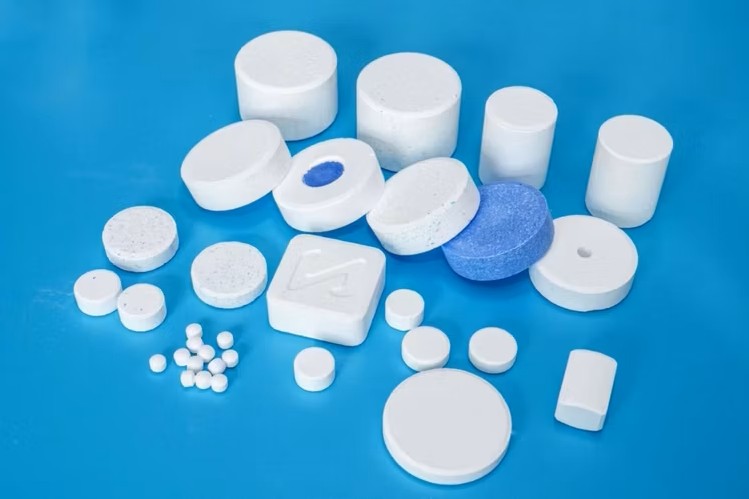
Bulk Buy SDIC for Spas: Luxury Water Treatment Options
Introduction
In the luxury spa and wellness industry, water quality stands as the cornerstone of guest experience and operational excellence. As spa facilities expand globally and consumer expectations rise, the demand for premium water treatment solutions has never been more critical. Sodium Dichloroisocyanurate (SDIC) emerges as the definitive choice for commercial spa operators seeking efficient, reliable, and cost-effective disinfection technology.
This comprehensive technical guide explores the strategic advantages of bulk purchasing SDIC for spa water treatment applications. We examine critical performance parameters, industry compliance standards, and the economic benefits that make SDIC the preferred solution for luxury hospitality venues worldwide.
Understanding SDIC: Technical Foundation
Chemical Composition and Properties
Sodium Dichloroisocyanurate, commonly abbreviated as SDIC, represents an organic chlorine compound with the molecular formula C₃Cl₂N₃NaO₃. The compound carries a molecular weight of 219.9462 g/mol and holds the CAS Registry Number 2893-78-9.
Key Physical Characteristics:
| Property | Specification |
|---|---|
| Appearance | White crystalline powder or granules |
| Available Chlorine Content | 56% – 60% |
| Solubility in Water | Highly soluble (approximately 25g/100ml at 25°C) |
| pH of 1% Solution | 5.5 – 7.0 |
| Melting Point | 240 – 250°C (with decomposition) |
| Bulk Density | 0.65 – 0.75 g/cm³ |
| Particle Size Options | 8-30 mesh, 16-36 mesh, tablets |
Mechanism of Action
SDIC functions as a slow-release chlorine disinfectant. Upon dissolution in water, the compound hydrolyzes to form hypochlorous acid (HOCl), the active sanitizing agent. This controlled release mechanism ensures sustained disinfection while minimizing chlorine odor and skin irritation concerns prevalent in luxury spa environments.
The chemical reaction proceeds as follows:
C₃Cl₂N₃NaO₃ + H₂O → C₃H₂N₃NaO₃ + 2HOCl
This gradual release profile makes SDIC particularly suitable for spa applications where consistent chlorine levels must be maintained over extended periods without frequent chemical dosing.
SPA Water Treatment Challenges and SDIC Solutions
Critical Water Quality Parameters
Luxury spa facilities face unique water treatment challenges that demand precision chemical management. The following parameters require continuous monitoring and control:
1. Free Chlorine Concentration
Industry standards mandate free chlorine levels between 3.0 – 5.0 ppm for spa and hot tub applications. This range exceeds swimming pool requirements (1.0 – 3.0 ppm) due to elevated water temperatures accelerating bacterial growth and chlorine consumption.
2. Cyanuric Acid Stabilization
SDIC introduces cyanuric acid as a byproduct, which serves as a chlorine stabilizer protecting against UV degradation. Optimal cyanuric acid concentrations range from 30 – 50 ppm for outdoor spa installations.
3. pH Balance
Maintaining pH between 7.2 – 7.6 ensures maximum disinfection efficiency while protecting spa equipment from corrosion and scaling. SDIC’s near-neutral pH profile minimizes adjustment requirements compared to alternative chlorine sources.
4. Total Dissolved Solids (TDS)
Regular water replacement becomes necessary when TDS exceeds 1,500 ppm above source water levels. SDIC’s high purity formulation minimizes TDS accumulation compared to calcium-based alternatives.
Temperature-Related Considerations
Spa water temperatures typically range from 35°C to 40°C (95°F – 104°F), creating accelerated disinfectant demand. Research indicates chlorine consumption rates increase approximately 50% for every 10°C temperature rise. SDIC’s stabilized chlorine release compensates for this accelerated demand without requiring continuous monitoring systems.
Performance Data and Technical Specifications
Disinfection Efficacy
Comprehensive laboratory testing demonstrates SDIC’s broad-spectrum antimicrobial activity across multiple pathogen categories:
| Microorganism | Contact Time | Concentration | Reduction Rate |
|---|---|---|---|
| E. coli | 30 seconds | 20 ppm | 99.99% |
| Staphylococcus aureus | 30 seconds | 20 ppm | 99.99% |
| Pseudomonas aeruginosa | 1 minute | 25 ppm | 99.9% |
| Candida albicans | 5 minutes | 30 ppm | 99.5% |
| Legionella pneumophila | 10 minutes | 25 ppm | 99.99% |
Stability Performance
Long-term stability testing under controlled storage conditions reveals exceptional shelf life characteristics:
- 12-month storage at 25°C: Less than 1% available chlorine loss
- 6-month storage at 35°C: Less than 2% available chlorine loss
- Humidity resistance: Maintains integrity at relative humidity up to 70%
These stability metrics translate directly to reduced inventory waste and predictable procurement planning for commercial spa operators.
Dissolution Rate Analysis
Particle size significantly impacts dissolution characteristics, allowing operators to select formulations matching their specific application requirements:
| Form | Dissolution Time (100g in 10L water) | Application Suitability |
|---|---|---|
| Fine Powder (8-30 mesh) | 2 – 5 minutes | Rapid shock treatment |
| Granules (16-36 mesh) | 5 – 10 minutes | Standard daily dosing |
| Tablets (200g) | 4 – 6 hours | Continuous slow release |
Industry Standards and Regulatory Compliance
NSF/ANSI Certification Requirements
For commercial spa operations in North America, NSF/ANSI Standard 60 certification represents the gold standard for drinking water treatment chemicals. While spa water is not intended for consumption, NSF-certified products demonstrate manufacturing quality and contaminant control that exceeds minimum requirements.
Key NSF/ANSI 60 Requirements:
- Maximum contaminant level verification for heavy metals
- Manufacturing facility audits and quality system verification
- Product formulation transparency and ingredient disclosure
- Annual recertification and ongoing compliance monitoring
WHO Guidelines Alignment
The World Health Organization’s Guidelines for Safe Recreational Water Environments provide international benchmarks for disinfectant concentrations:
- Free Chlorine: Minimum 3.0 ppm for heated recreational water
- Combined Chlorine: Maximum 0.5 ppm (indicates adequate oxidation)
- pH Range: 7.2 – 7.8 for optimal disinfection efficiency
SDIC formulations from certified manufacturers consistently meet or exceed these international standards when applied according to recommended dosing protocols.
Regional Regulatory Frameworks
European Union: Biocidal Products Regulation (BPR) requires product registration before market entry. SDIC products must carry appropriate hazard classifications under CLP Regulation.
United States: EPA registration required for antimicrobial pesticides. FIFRA compliance ensures label accuracy and usage instructions meet federal standards.
Asia-Pacific: Individual country requirements vary. China GB/T standards, Australian AS/NZS standards, and Japanese JIS standards all recognize SDIC as an approved spa disinfectant when properly formulated and labeled.
Bulk Procurement Advantages for Commercial Operators
Economic Analysis
Bulk purchasing SDIC delivers substantial cost savings compared to retail packaging. The following analysis demonstrates typical savings structures for commercial spa facilities:
| Purchase Volume | Price per Kilogram | Annual Savings vs. Retail |
|---|---|---|
| 100 – 500 kg | $8 – $12 USD | 25% – 35% |
| 500 – 1,000 kg | $6 – $9 USD | 40% – 50% |
| 1,000+ kg | $5 – $7 USD | 50% – 60% |
Supply Chain Benefits
1. Inventory Optimization
Bulk procurement enables facilities to maintain 6-12 month chemical reserves, reducing supply disruption risks and emergency procurement premiums.
2. Quality Consistency
Single-batch purchases from certified manufacturers ensure consistent product specifications across extended usage periods, eliminating variability that can affect water balance calculations.
3. Reduced Packaging Waste
Bulk formats minimize packaging materials per unit of active ingredient, supporting sustainability initiatives increasingly demanded by luxury hospitality consumers.
Storage and Handling Considerations
Proper bulk storage protocols ensure product integrity and workplace safety:
- Temperature: Store between 5°C – 30°C in climate-controlled environments
- Humidity: Maintain relative humidity below 70% to prevent caking
- Separation: Isolate from organic materials, acids, and reducing agents
- Ventilation: Ensure adequate airflow in storage areas
- Container Integrity: Keep original packaging sealed until use
Application Protocols for Luxury Spa Facilities
Initial Water Treatment
For new spa installations or complete water replacement, follow this established protocol:
- System Cleaning: Flush all plumbing lines with dedicated spa system cleaner
- Fill: Add fresh water meeting local potable water standards
- Balance: Adjust total alkalinity to 80 – 120 ppm
- pH Adjustment: Target 7.4 – 7.6 before chlorine addition
- Initial Chlorination: Add SDIC at 20g per 1,000 liters to establish 5 ppm free chlorine
- Circulation: Run pumps continuously for 4 hours before guest use
Maintenance Dosing Schedule
Daily maintenance requirements vary based on bather load and water temperature:
| Spa Capacity | Average Bather Load | Daily SDIC Requirement |
|---|---|---|
| 500 – 1,000 L | 5 – 10 persons | 15 – 25 grams |
| 1,000 – 2,000 L | 10 – 20 persons | 25 – 50 grams |
| 2,000 – 5,000 L | 20 – 40 persons | 50 – 100 grams |
Note: These recommendations assume water temperatures of 37°C – 39°C. Adjust dosing based on actual free chlorine test results.
Shock Treatment Procedures
Weekly shock oxidation eliminates combined chlorine and organic contaminants:
- Test free and combined chlorine levels
- Calculate shock dose: 10g SDIC per 1,000 liters for every 1 ppm combined chlorine
- Apply shock treatment during off-peak hours
- Maintain 10 ppm free chlorine for minimum 4 hours
- Resume normal operations when free chlorine returns to 3 – 5 ppm range
Quality Assurance and Testing Protocols
Incoming Product Verification
Establish receiving protocols to verify bulk SDIC quality upon delivery:
Visual Inspection:
- Confirm white color without discoloration
- Check for caking or moisture indicators
- Verify packaging integrity and labeling
Documentation Review:
- Certificate of Analysis (CoA) from manufacturer
- Batch number traceability
- Manufacturing date and shelf life verification
Laboratory Testing (Recommended for 1,000kg+ purchases):
- Available chlorine content verification (target: 56% – 60%)
- pH of 1% solution (target: 5.5 – 7.0)
- Moisture content (maximum: 5%)
Ongoing Water Quality Monitoring
Implement comprehensive testing schedules to maintain optimal water conditions:
| Parameter | Testing Frequency | Target Range |
|---|---|---|
| Free Chlorine | 3x daily (peak hours) | 3.0 – 5.0 ppm |
| pH | 3x daily (peak hours) | 7.2 – 7.6 |
| Total Alkalinity | Weekly | 80 – 120 ppm |
| Cyanuric Acid | Monthly | 30 – 50 ppm |
| TDS | Monthly | < 1,500 ppm above source |
| Combined Chlorine | Weekly | < 0.5 ppm |
Environmental and Safety Considerations
Worker Safety Protocols
SDIC handling requires appropriate personal protective equipment and training:
- Eye Protection: Chemical splash goggles (ANSI Z87.1 certified)
- Respiratory Protection: N95 masks for powder handling
- Skin Protection: Nitrile gloves and long-sleeved clothing
- Training: Annual chemical safety training for all handling personnel
Environmental Impact Assessment
SDIC demonstrates favorable environmental characteristics compared to alternative disinfectants:
- Biodegradability: Breaks down to harmless byproducts (sodium, chloride, cyanuric acid)
- Aquatic Toxicity: Low toxicity at recommended use concentrations
- Discharge Compliance: Meets municipal wastewater discharge requirements when properly dosed
Emergency Response Procedures
Establish clear protocols for accidental exposure or spills:
Skin Contact: Immediately flush with water for 15 minutes. Remove contaminated clothing. Seek medical attention if irritation persists.
Eye Contact: Flush eyes with water for minimum 15 minutes. Seek immediate medical attention.
Inhalation: Move to fresh air immediately. Seek medical attention if breathing difficulties develop.
Spill Containment: Isolate area. Collect spilled material using non-combustible absorbents. Dispose according to local hazardous waste regulations.
Frequently Asked Questions (FAQ)
Q1: What is the recommended shelf life for bulk SDIC purchases?
A: Properly stored SDIC maintains 99% of its available chlorine content for 12 months. Storage in climate-controlled environments (5°C – 30°C, humidity below 70%) can extend effective shelf life to 18-24 months. We recommend implementing first-in-first-out (FIFO) inventory rotation for optimal product performance.
Q2: How does SDIC compare to calcium hypochlorite for spa applications?
A: SDIC offers several advantages over calcium hypochlorite for spa use:
- Does not increase water hardness (calcium hypochlorite adds 10 ppm calcium per 1 ppm chlorine)
- More stable at elevated temperatures
- Lower pH impact reduces adjustment frequency
- Slower release profile provides longer-lasting disinfection
Q3: Can SDIC be used in saltwater spa systems?
A: SDIC is compatible with saltwater spa systems but typically unnecessary. Salt systems generate chlorine electrolytically. SDIC serves best as backup disinfection during system maintenance or as shock treatment when combined chlorine levels exceed 0.5 ppm.
Q4: What certifications should I require from SDIC suppliers?
A: Reputable suppliers should provide:
- NSF/ANSI 60 certification (for North American markets)
- ISO 9001 quality management certification
- Certificate of Analysis for each batch
- REACH compliance documentation (for European markets)
- EPA registration number (for United States)
Q5: How do I calculate bulk SDIC requirements for multiple spa facilities?
A: Use this formula for annual procurement planning:
Annual Requirement (kg) = [Daily Dose (g) × Number of Spas × 365 days] ÷ 1,000
Add 15% buffer for shock treatments and unexpected water replacements. For example, a resort with 20 spas averaging 30g daily dose requires: (30 × 20 × 365) ÷ 1,000 = 219 kg + 15% = 252 kg annually.
Q6: Does SDIC affect spa equipment warranties?
A: When used according to manufacturer recommendations, SDIC does not void equipment warranties. Maintain chlorine levels within 3-5 ppm range and pH between 7.2-7.6 to protect heaters, pumps, and control systems. Document all water testing results for warranty claim support.
Q7: What is the minimum order quantity for bulk SDIC pricing?
A: Most manufacturers offer tiered pricing starting at 100 kg quantities. Optimal pricing typically begins at 500 kg orders. Custom packaging and private labeling options usually require 1,000 kg minimum orders. Contact suppliers directly for specific volume pricing structures.
Q8: How should I dispose of unused or expired SDIC?
A: Never dispose of SDIC in regular waste streams. Contact licensed hazardous waste disposal contractors. Small quantities can be neutralized by dissolving in large water volumes and allowing complete chlorine dissipation before drain disposal (verify local regulations first).
Conclusion
Bulk procurement of SDIC represents a strategic investment for luxury spa operators committed to water quality excellence and operational efficiency. The combination of proven disinfection performance, regulatory compliance, and economic advantages positions SDIC as the optimal choice for commercial spa water treatment applications.
Facilities implementing the protocols outlined in this guide will achieve consistent water quality, reduced operational costs, and enhanced guest satisfaction. Partner with certified suppliers who demonstrate commitment to quality assurance, technical support, and reliable supply chain management.
For detailed product specifications, volume pricing, and technical consultation, qualified buyers are encouraged to reach out to established chemical suppliers specializing in spa and pool treatment solutions.
Ready to optimize your spa water treatment program? Professional suppliers offer comprehensive support including water testing equipment, dosing calculators, and ongoing technical consultation to ensure your facility maintains the highest standards of water quality and guest safety.
