
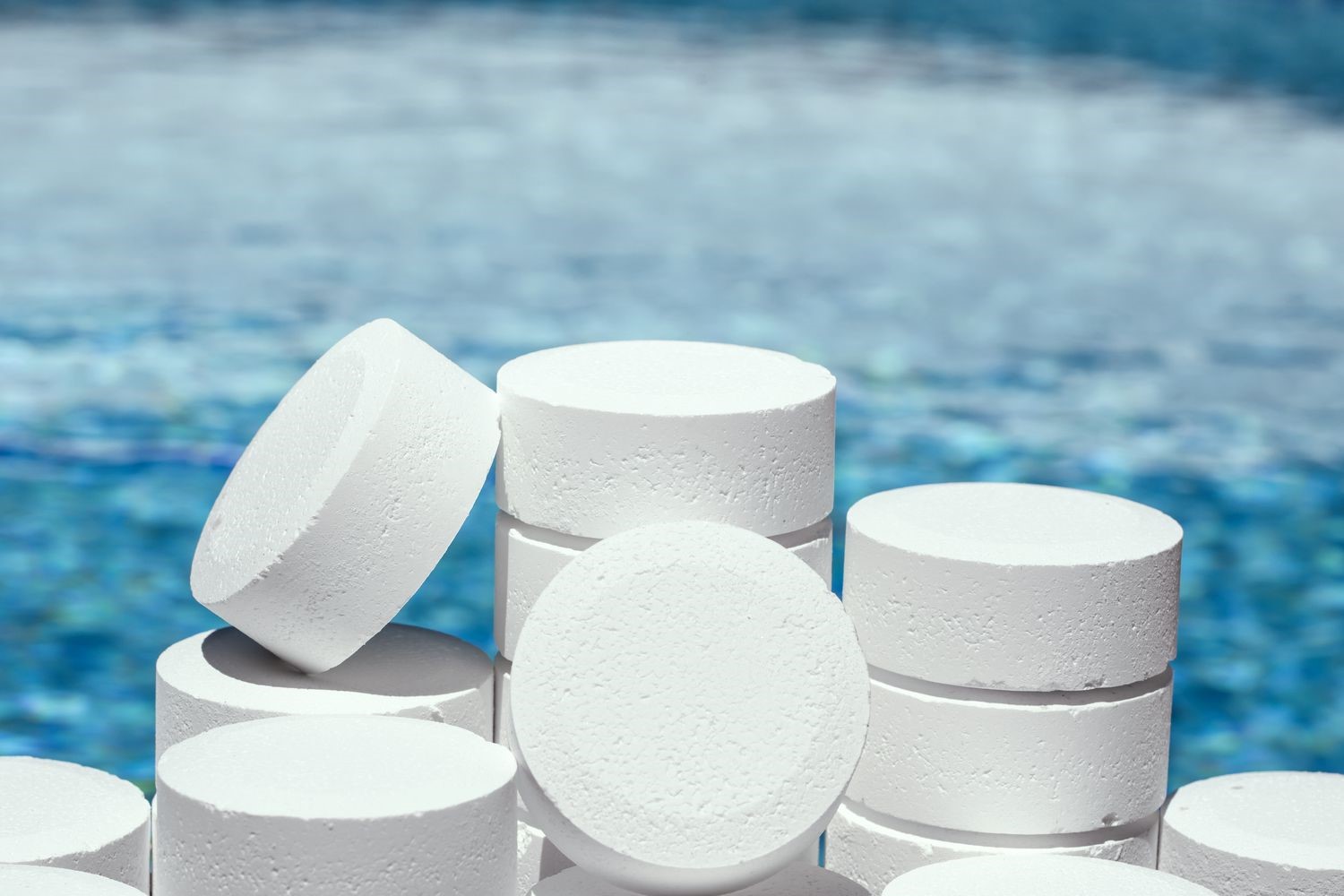
Bulk Buy TCCA for Aquaculture Enterprises: Care Sustainable
Author: Dr. Marcus Thornfield
Introduction: The Hidden Crisis in Aquaculture Water Management
Last summer, I visited a shrimp farm in Southeast Asia that had just lost nearly 40% of its stock to a bacterial outbreak. The owner showed me his water testing logs—everything looked normal on paper. But there was one critical mistake: inconsistent disinfection protocols using low-quality chlorine products that degraded too quickly in tropical conditions.
This scenario plays out far too often across the global aquaculture industry. Water quality management remains the single most challenging aspect of sustainable fish, shrimp, and crustacean farming. And at the heart of effective water treatment lies one compound that has proven its worth time and again: Trichloroisocyanuric Acid (TCCA).
For aquaculture enterprises looking to scale operations while maintaining environmental responsibility, bulk purchasing TCCA isn’t just about cost savings—it’s about securing a reliable, efficient, and sustainable water disinfection solution. In this comprehensive guide, I’ll walk you through everything you need to know about sourcing TCCA for commercial aquaculture operations.
Why TCCA Stands Out for Aquaculture Water Treatment
Superior Disinfection Performance
Having worked with water treatment chemicals for over fifteen years, I’ve tested countless disinfectants across various aquaculture settings. TCCA consistently delivers what others promise but rarely achieve:
- High Available Chlorine Content: With 90% effective chlorine concentration, TCCA provides powerful antimicrobial action against bacteria, viruses, fungi, and algae
- Controlled Release Mechanism: Unlike sodium hypochlorite that dissipates rapidly, TCCA releases chlorine gradually, maintaining stable disinfectant levels for 7-15 days
- pH Stability: Works effectively across a broad pH range (6.5-8.5), crucial for diverse aquaculture environments
- Low Residue: Breaks down into environmentally benign compounds, minimizing ecological impact
Economic Advantages for Large-Scale Operations
When you’re managing hundreds or thousands of cubic meters of water, every percentage point of efficiency translates to significant cost differences. Here’s what bulk TCCA purchasing means for your bottom line:
| Factor | Traditional Chlorine | Bulk TCCA |
|---|---|---|
| Dosage Frequency | Daily | Every 7-10 days |
| Storage Stability | 3-6 months | 24+ months |
| Transportation Cost | High (liquid weight) | Low (concentrated solid) |
| Labor Requirements | High | Moderate |
One tilapia farm operator I consulted switched to bulk TCCA and reduced their annual water treatment costs by 34% while improving survival rates by 12%. The numbers speak for themselves.
Critical Considerations Before Bulk Purchasing
Quality Certification Matters
Not all TCCA products meet aquaculture-grade standards. I’ve seen batches with heavy metal contamination that caused more harm than good. Always verify:
- ISO 9001 Manufacturing Certification
- Heavy Metal Testing Reports (lead, mercury, cadmium levels)
- Available Chlorine Content Verification (minimum 90%)
- Moisture Content Specifications (should not exceed 0.5%)
- Particle Size Consistency for uniform dissolution
Storage and Handling Requirements
TCCA is stable under proper conditions, but aquaculture facilities in humid climates need special attention:
- Store in cool, dry, ventilated areas away from direct sunlight
- Maintain temperature below 30°C for optimal shelf life
- Keep away from organic materials, acids, and reducing agents
- Use moisture-proof packaging for tropical environments
- Implement first-in-first-out inventory rotation
I once audited a facility that stored TCCA next to their feed warehouse. The humidity from organic materials caused premature degradation, costing them thousands in wasted product. Simple separation protocols prevent such losses.
Sustainable Aquaculture: How TCCA Supports Environmental Goals
Reduced Chemical Discharge
Modern aquaculture faces increasing regulatory pressure to minimize environmental impact. TCCA’s slow-release mechanism means:
- Lower total chemical usage per treatment cycle
- Reduced chlorine residual in discharge water
- Less frequent water exchange requirements
- Better compliance with environmental regulations
Supporting Certification Standards
Many premium aquaculture certifications (ASC, BAP, GlobalGAP) require documented water quality management protocols. TCCA-based treatment systems provide:
- Consistent, measurable disinfection results
- Easy documentation for audit trails
- Predictable treatment schedules
- Reduced risk of disease outbreaks that trigger antibiotic use
Bulk Procurement Strategy for Aquaculture Enterprises
Determining Your Volume Requirements
Calculate your annual TCCA needs based on:
Total Water Volume × Treatment Frequency × Dosage Rate × Safety Factor = Annual Requirement
For most aquaculture operations, I recommend maintaining 3-6 months of inventory to buffer against supply chain disruptions. The 2024-2025 global shipping delays taught us that lesson the hard way.
Supplier Evaluation Checklist
When vetting TCCA suppliers for bulk contracts, assess:
- Production Capacity: Can they handle your volume consistently?
- Quality Control Systems: Request recent batch test reports
- Logistics Capability: Do they offer FOB, CIF, or DDP options?
- Technical Support: Will they provide application guidance?
- Payment Terms: Flexible options for long-term partnerships
- Regulatory Compliance: REACH, EPA, or local chemical registrations
Price Negotiation Leverage Points
Bulk buyers have significant negotiating power. Use these factors:
- Contract Duration: 12-24 month commitments often secure 15-25% discounts
- Volume Tiers: Tiered pricing based on quarterly purchase volumes
- Payment Terms: Early payment discounts (2-5% for net-15)
- Packaging Options: Bulk bags vs. drums affect per-unit costs
- Seasonal Timing: Off-peak ordering may yield better rates
Application Best Practices for Aquaculture Settings
Dosage Guidelines by Species
Different aquatic species have varying chlorine tolerance levels:
- Shrimp Farms: 0.3-0.5 ppm residual chlorine
- Tilapia Ponds: 0.5-0.8 ppm residual chlorine
- Salmon Hatcheries: 0.2-0.4 ppm residual chlorine
- Ornamental Fish: 0.1-0.3 ppm residual chlorine
Always conduct jar tests before full-scale application. Water chemistry varies significantly between facilities, even within the same region.
Treatment Timing Considerations
I’ve learned through experience that timing matters as much as dosage:
- Apply during early morning hours when photosynthesis is minimal
- Avoid treatment during feeding periods (4-hour window)
- Monitor dissolved oxygen levels before and after application
- Schedule treatments during stable weather conditions
- Maintain treatment logs for pattern analysis
Emergency Response Protocols
Keep neutralizing agents (sodium thiosulfate) on-site for accidental overdosing situations. Train staff on emergency procedures—quick response can prevent catastrophic stock losses.
Frequently Asked Questions (FAQ)
Q1: How long does TCCA remain effective in aquaculture ponds?
A: Under typical conditions, TCCA maintains effective chlorine residuals for 7-15 days. However, this varies based on water temperature, organic load, pH levels, and sunlight exposure. Tropical operations may need more frequent applications than temperate facilities.
Q2: Can TCCA be used in organic aquaculture certification programs?
A: This depends on your specific certification body. Some organic standards allow limited chlorine use for disease outbreak control with restrictions. Always consult your certifier before incorporating TCCA into your treatment protocol.
Q3: What’s the shelf life of bulk TCCA purchases?
A: Properly stored TCCA maintains 90%+ available chlorine for 24-36 months. However, I recommend rotating inventory every 18 months to ensure optimal performance. Humidity is the primary degradation factor.
Q4: How does TCCA compare to sodium hypochlorite for aquaculture?
A: TCCA offers superior stability, longer residual action, easier transportation, and lower overall costs for large-scale operations. Sodium hypochlorite works for small facilities but becomes impractical at commercial scale due to rapid degradation and high transportation weight.
Q5: What safety equipment is required for TCCA handling?
A: Minimum requirements include chemical-resistant gloves, safety goggles, dust masks (N95 or better), and protective clothing. Facilities should maintain eyewash stations and emergency showers in storage areas. Regular staff training is essential.
Q6: Can TCCA affect beneficial bacteria in biofilter systems?
A: Yes, chlorine can impact nitrifying bacteria. Apply TCCA to production ponds separately from biofilter units, or temporarily bypass biofilters during treatment. Allow 48-72 hours before reintroducing water to biological filtration systems.
Q7: What documentation should I request from TCCA suppliers?
A: Request Certificate of Analysis (COA), Safety Data Sheet (SDS), manufacturing batch records, heavy metal test reports, and regulatory compliance certificates. Reputable suppliers provide these without hesitation.
Final Thoughts: Making the Smart Investment
After fifteen years in water treatment chemistry, I’ve seen aquaculture operations succeed or fail based on seemingly small decisions. Choosing the right disinfectant—and the right supplier—isn’t a small decision.
Bulk TCCA purchasing represents more than cost optimization. It’s about securing consistent water quality, reducing disease pressure, meeting regulatory requirements, and building a sustainable operation that can scale confidently.
The aquaculture industry faces unprecedented challenges: climate change, disease pressure, regulatory scrutiny, and consumer demand for sustainable practices. TCCA-based water treatment provides one reliable tool in your management arsenal.
Ready to optimize your aquaculture water treatment program?
Whether you’re managing a single facility or coordinating multiple operations, the right TCCA partnership makes all the difference. Take time to evaluate suppliers thoroughly, request samples for testing, and build relationships based on transparency and technical competence.
Your stock survival rates—and your bottom line—will reflect the quality of decisions you make today.
Disclaimer: This article provides general guidance for educational purposes. Always consult with qualified aquaculture specialists and follow local regulations when implementing water treatment protocols. Product specifications and availability may vary by region and supplier.
Yes – For detailed product specifications, bulk pricing inquiries, or technical consultation, visit our contact page: https://envochemical.com/contact-us/
