
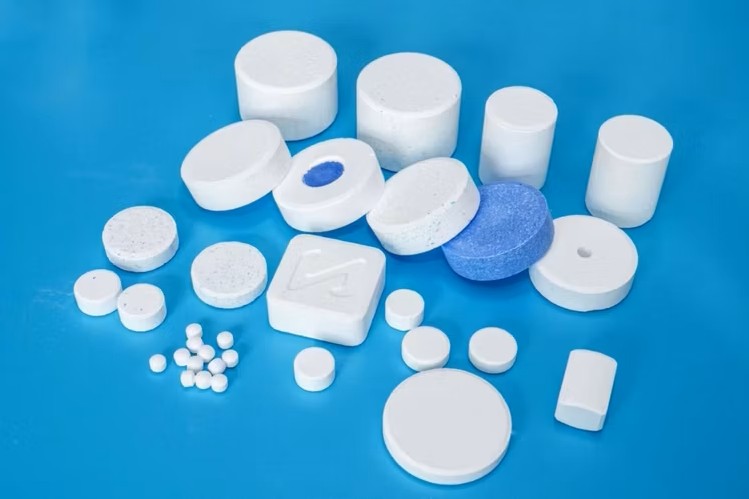
Bulk Buy TCCA for Swimming Pools: Operator-Approved Stabilized Chlorine
By: Marcus Richardson, Senior Water Treatment Consultant
Introduction: Why Pool Operators Trust TCCA for Commercial Swimming Facilities
After spending over fifteen years in the water treatment chemical industry, I’ve witnessed countless pool operators struggle with one persistent challenge: finding a chlorine solution that balances effectiveness, stability, and cost-efficiency. If you’re managing commercial swimming pools, aquatic centers, or hotel resorts, you understand the pressure of maintaining crystal-clear water while keeping operational costs under control.
That’s exactly why bulk buy TCCA for swimming pools has become the go-to choice for professional operators worldwide. Trichloroisocyanuric acid (TCCA) isn’t just another chlorine product—it’s a stabilized chlorine solution engineered for demanding commercial applications. In this comprehensive guide, I’ll walk you through everything you need to know about sourcing TCCA in bulk, from technical specifications to supplier verification.
Understanding TCCA: The Science Behind Stabilized Chlorine
What Makes TCCA Different from Traditional Chlorine?
Let me break this down in practical terms. Unlike liquid chlorine or calcium hypochlorite, TCCA (Trichloroisocyanuric Acid) contains cyanuric acid built directly into its molecular structure. This is what we call “stabilized chlorine.” The cyanuric acid acts as a protective shield, preventing UV rays from breaking down the active chlorine too quickly.
Here’s what sets TCCA apart:
- Effective chlorine content: 90% or higher (compared to 65-70% for many alternatives)
- Slow-release formula: Provides consistent disinfection over 7-14 days
- pH neutral impact: Minimal effect on pool water balance (1% solution pH: 2.7-3.3)
- Superior stability: Solid form remains effective during long-term storage
Technical Specifications That Matter for Bulk Buyers
When you’re evaluating suppliers for bulk TCCA purchases, these specifications should be non-negotiable:
| Parameter | Industry Standard | Premium Grade |
|---|---|---|
| Active Chlorine | ≥88% | ≥90% |
| Moisture Content | ≤1.0% | ≤0.5% |
| Particle Size | 8-20 mesh | Customizable |
| CAS Number | 87-90-1 | 87-90-1 |
| Molecular Formula | C₃Cl₃N₃O₃ | C₃Cl₃N₃O₃ |
I’ve seen too many operators cut corners on specifications, only to face increased consumption rates and water quality issues down the line. Trust me—investing in premium-grade TCCA pays for itself.
Why Bulk Purchasing Makes Financial Sense for Pool Operators
Cost Savings That Add Up Quickly
Let’s talk numbers. Based on current market data from 2025-2026, bulk TCCA pricing typically ranges from $880 to $1,050 per metric ton, depending on quantity, purity, and shipping terms. Compare this to retail-packaged chlorine tablets costing $3-5 per kilogram, and the math becomes compelling.
For a medium-sized commercial facility using approximately 500 kg monthly:
- Retail purchase: ~$2,000-2,500/month
- Bulk TCCA: ~$450-550/month
- Annual savings: $18,000-23,000
That’s not just pocket change—that’s budget you can redirect toward facility upgrades, staff training, or customer experience improvements.
Supply Chain Reliability for Continuous Operations
Nothing disrupts pool operations faster than running out of disinfectant. When you establish a bulk TCCA supply agreement, you gain:
- Priority allocation during peak summer seasons
- Consistent quality across multiple shipments
- Flexible delivery schedules aligned with your consumption patterns
- Reduced administrative overhead from fewer purchase orders
I recall working with a resort chain in Southeast Asia that switched from fragmented retail purchases to a consolidated bulk TCCA contract. Their chlorine-related operational interruptions dropped by 87% within the first year.
Critical Considerations Before You Commit to Bulk TCCA
Supplier Verification: Protecting Your Investment
The TCCA bulk market has grown significantly, but not all suppliers maintain the same quality standards. Here’s my checklist for vetting potential partners:
✓ Certifications to Request:
- ISO 9001 (Quality Management)
- REACH compliance (for European markets)
- Third-party laboratory test reports
- Hazardous materials transport certification
✓ Red Flags to Watch:
- Unwillingness to share recent batch test results
- Pricing significantly below market average
- No physical manufacturing facility verification
- Vague responses about production capacity
Storage and Handling Requirements
Proper storage extends TCCA shelf life and maintains effectiveness. Follow these guidelines:
- Temperature: Store between 15-25°C (59-77°F)
- Humidity: Keep below 60% relative humidity
- Separation: Never store near ammonia, urea, or organic materials
- Container: Use original sealed packaging or approved chemical containers
One mistake I’ve seen repeatedly: storing TCCA in direct sunlight or damp warehouses. This accelerates decomposition and reduces active chlorine content. Always inspect incoming shipments for packaging integrity.
Application Best Practices for Maximum Efficiency
Dosage Guidelines for Different Pool Types
Getting the dosage right prevents both under-treatment (risking water quality) and over-treatment (wasting product). Here are my recommended starting points:
Commercial Swimming Pools:
- Initial shock treatment: 2-3 kg per 100 m³
- Maintenance dosing: 0.5-1 kg per 100 m³ weekly
- Target free chlorine: 1.0-3.0 ppm
Hotel/Resort Pools:
- Higher bather load requires 20-30% increase
- Consider automated dosing systems for consistency
Public Aquatic Centers:
- Follow local health department regulations
- Document all chemical additions for compliance audits
Monitoring and Adjustment Strategies
Smart pool operators don’t just add chemicals—they monitor, adjust, and optimize. Invest in reliable testing equipment and establish a testing schedule:
- Daily: Free chlorine, pH, total alkalinity
- Weekly: Cyanuric acid levels, calcium hardness
- Monthly: Comprehensive water analysis
When cyanuric acid exceeds 100 ppm, partial water replacement becomes necessary. This is often overlooked until chlorine effectiveness noticeably declines.
Environmental and Regulatory Compliance
Meeting Global Standards
Environmental regulations around chlorine compounds continue to evolve. Stabilized chlorine TCCA generally meets requirements when used according to manufacturer guidelines, but you should verify:
- Local discharge permits for pool backwash water
- Worker safety regulations (OSHA, HSE, or equivalent)
- Transportation requirements for hazardous materials
- Community notification requirements for large facilities
Sustainability Considerations
Modern operators increasingly prioritize environmental responsibility. TCCA offers several sustainability advantages:
- Reduced packaging waste compared to retail products
- Lower transportation frequency (fewer deliveries)
- Extended product life reduces overall chemical consumption
- Decomposition products are less environmentally persistent than some alternatives
Frequently Asked Questions (FAQ)
Q1: How long does bulk TCCA remain effective in storage?
A: Properly stored TCCA maintains 90%+ active chlorine content for 24-36 months. I recommend implementing a first-in-first-out (FIFO) inventory system and conducting quarterly quality checks on stored product.
Q2: Can TCCA be used with saltwater pool systems?
A: Generally no. Saltwater systems generate chlorine electrolytically, and adding TCCA introduces unnecessary cyanuric acid buildup. TCCA is best suited for traditional freshwater commercial pools.
Q3: What’s the minimum order quantity for bulk TCCA?
A: Most manufacturers set MOQs between 1-5 metric tons. However, some suppliers offer flexible arrangements for long-term contracts. Don’t hesitate to negotiate based on your projected annual consumption.
Q4: How quickly can suppliers deliver bulk TCCA orders?
A: Lead times vary by region and inventory levels. Domestic suppliers typically deliver within 7-14 days, while international shipments may require 30-45 days including customs clearance. Plan accordingly for peak season demand.
Q5: Is TCCA safe for pools with frequent child users?
A: Yes, when used at recommended dosages. TCCA breaks down into harmless compounds (chloride ions, nitrogen, carbon dioxide) after disinfection. Always maintain proper chlorine levels and ensure adequate water circulation before allowing swimmer access.
Q6: What documentation should I request from TCCA suppliers?
A: At minimum: Certificate of Analysis (CoA), Safety Data Sheet (SDS), batch production records, and third-party quality verification. For international purchases, add certificate of origin and hazardous materials transport documentation.
Final Thoughts: Making the Smart Investment Decision
Choosing to bulk buy TCCA for swimming pools isn’t just about cost savings—it’s about operational excellence. When you partner with the right supplier and implement proper handling protocols, stabilized chlorine becomes one of your most reliable operational assets.
I’ve guided hundreds of facilities through this transition, and the pattern is clear: operators who invest time in supplier selection, staff training, and monitoring systems see the strongest returns. Don’t rush the decision. Request samples, verify credentials, and calculate your true total cost of ownership.
Your swimmers deserve clean, safe water. Your business deserves predictable costs and smooth operations. Quality TCCA, sourced responsibly and applied correctly, delivers both.
Ready to explore bulk TCCA options for your facility? Reach out to qualified suppliers who can provide samples, technical support, and transparent pricing structures.
