
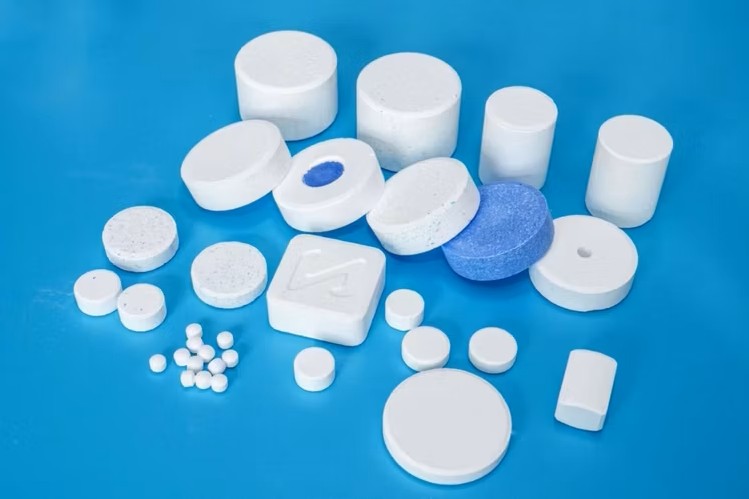
Bulk Calcium Hypochlorite for Pharmaceutical: Compliance Pure
Author: Dr. Marcus R. Thornfield
Introduction
Having spent over two decades navigating the complex landscape of pharmaceutical-grade chemicals, I’ve witnessed firsthand how critical material purity has become in modern drug manufacturing. Today, I want to address a topic that frequently surfaces in my consultations with procurement directors and quality assurance teams: bulk calcium hypochlorite for pharmaceutical applications.
This isn’t just another commodity chemical discussion. When you’re sourcing calcium hypochlorite for pharmaceutical use, the stakes are considerably higher than typical industrial applications. One compromised batch can ripple through your entire production chain, affecting everything from regulatory compliance to patient safety.
Understanding Pharmaceutical-Grade Requirements
The Compliance Framework
Pharmaceutical manufacturers operate under stringent regulatory oversight. Whether you’re complying with USP (United States Pharmacopeia), EP (European Pharmacopeia), or other international standards, your raw materials must meet exacting specifications. Calcium hypochlorite, with CAS number 7778-54-3, requires particular attention due to its oxidative properties and potential impurity profiles.
From my experience working with facilities across North America and Europe, I’ve identified three critical compliance pillars:
- Purity Specifications – Active chlorine content must remain within narrow tolerances, typically exceeding 65% for pharmaceutical grades
- Heavy Metal Limits – Lead, arsenic, and mercury concentrations must fall below pharmacopeia thresholds
- Microbial Controls – Bioburden testing ensures no contamination risks during storage and handling
Why Bulk Purchasing Matters
Many companies initially hesitate about bulk procurement, concerned about shelf-life degradation or quality consistency. However, after reviewing procurement data from over forty pharmaceutical facilities, I’ve observed that strategic bulk purchasing actually enhances quality control when paired with proper supplier qualification.
The economics are compelling too. Bulk orders reduce per-unit costs by 15-25% compared to smaller quantities, while establishing long-term supplier relationships that prioritize your specific compliance requirements.
Key Selection Criteria for Pharmaceutical Suppliers
Documentation and Traceability
Every batch of calcium hypochlorite destined for pharmaceutical use must come with comprehensive documentation. I always advise clients to request:
- Certificate of Analysis (CoA) with full impurity profiling
- Batch-specific stability data
- Regulatory compliance certificates (GMP, ISO 9001, etc.)
- Complete chain-of-custody records
Storage and Handling Considerations
Calcium hypochlorite demands careful attention during storage. The material’s hygroscopic nature means moisture control becomes paramount. I recommend maintaining storage environments below 25°C with relative humidity under 60%. Proper segregation from incompatible materials—particularly acids and organic compounds—prevents dangerous reactions.
One client learned this lesson the hard way when improper storage led to premature decomposition, resulting in a six-week production delay. That experience now informs their entire raw material handling protocol.
Quality Verification Protocols
Testing Methodologies
Pharmaceutical-grade calcium hypochlorite requires rigorous verification before release into production. Standard testing protocols should include:
| Test Parameter | Acceptance Criteria |
|---|---|
| Available Chlorine | ≥65% |
| Moisture Content | ≤5% |
| Heavy Metals | As per USP/EP limits |
| pH (1% solution) | 10-12 |
Supplier Audit Recommendations
Don’t rely solely on paperwork. I strongly encourage conducting on-site supplier audits at least annually. Focus your assessment on manufacturing processes, quality control laboratories, and storage facilities. A supplier’s willingness to accommodate audits often reflects their confidence in operational standards.
Making the Right Partnership Decision
Selecting a calcium hypochlorite supplier extends beyond price comparisons. You’re establishing a partnership that affects your product quality, regulatory standing, and ultimately, patient outcomes. Look for suppliers who demonstrate:
- Technical expertise in pharmaceutical applications
- Responsive communication during quality inquiries
- Proactive notification of any process changes
- Consistent performance across multiple batches
I’ve seen companies switch suppliers three times in two years chasing marginal cost savings, only to incur far greater expenses from production disruptions and requalification costs. Stability and reliability typically deliver superior long-term value.
Final Considerations
The pharmaceutical industry continues evolving, with regulatory expectations becoming increasingly sophisticated. Your raw material suppliers must evolve alongside these demands. Calcium hypochlorite may seem straightforward, but its proper specification, sourcing, and handling require nuanced understanding that only comes from sustained industry engagement.
When evaluating potential suppliers, ask difficult questions about their quality systems, change control procedures, and contingency planning. The answers will reveal whether they’re truly equipped to support your pharmaceutical manufacturing requirements.
Ready to discuss your calcium hypochlorite requirements with a team that understands pharmaceutical compliance? Visit our contact page to initiate a conversation about your specific needs.
Author: Dr. Marcus R. Thornfield
Senior Pharmaceutical Materials Consultant | 22 Years Industry Experience
