
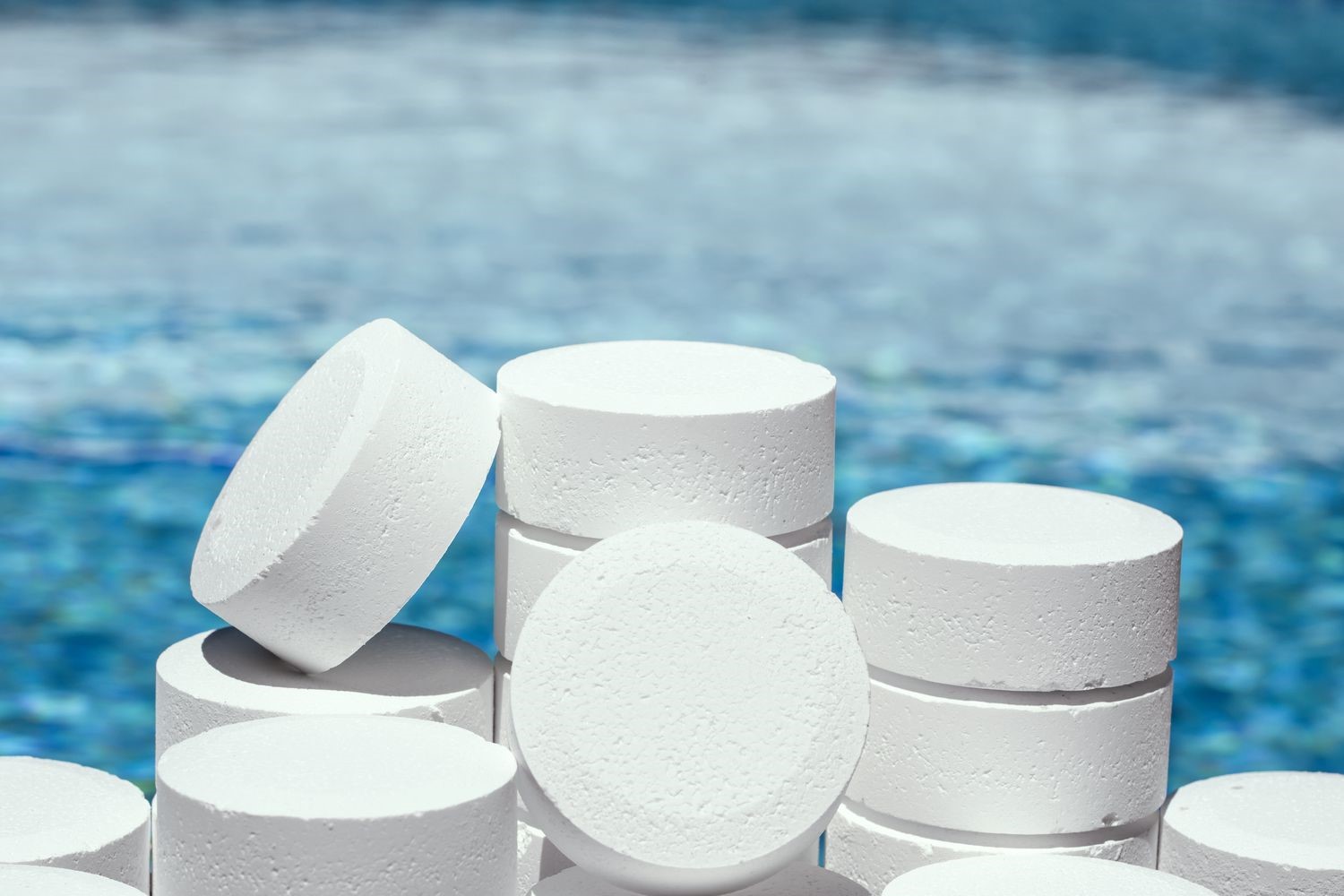
Industrial Water Treatment Chemicals: Your Complete Guide to Solving Costly Water Challenges in 2026
Introduction
After spending over fifteen years in the water treatment industry, I’ve witnessed firsthand how the right chemical solutions can transform operational efficiency for industrial facilities. Today, with the global industrial water treatment chemicals market reaching unprecedented heights—projected to grow at 4.93% CAGR through 2032—businesses face both opportunities and complex challenges in maintaining optimal water quality.
If you’re reading this, you’re likely dealing with scaling issues in your cooling towers, corrosion eating away at your equipment, or microbial growth compromising your system integrity. Perhaps you’re struggling to meet increasingly stringent environmental regulations while keeping operational costs in check. I understand these pain points because I’ve helped hundreds of B2B clients navigate them successfully.
This comprehensive guide will walk you through everything you need to know about selecting, implementing, and optimizing industrial water treatment chemicals for your specific application.
Understanding the Core Challenges in Industrial Water Management
The Hidden Costs of Poor Water Treatment
Most facility managers underestimate the true cost of inadequate water treatment. Scale buildup alone can reduce heat transfer efficiency by up to 40%, forcing your systems to work harder and consume more energy. Corrosion doesn’t just damage equipment—it leads to unplanned downtime, emergency repairs, and potentially catastrophic failures.
In 2025, EPA data revealed that over 20% of public water treatment facilities violated Safe Drinking Water Act standards. For industrial operations, the stakes are even higher. Non-compliance can result in substantial fines, operational shutdowns, and reputational damage that takes years to rebuild.
Key Water Treatment Chemical Categories and Their Applications
Corrosion Inhibitors
These chemicals form protective films on metal surfaces, preventing oxidation and extending equipment lifespan. I’ve seen facilities reduce corrosion rates by 85% simply by switching to the right inhibitor formulation for their specific water chemistry and metallurgy.
Scale Inhibitors
Hard water minerals like calcium and magnesium create stubborn deposits that restrict flow and reduce efficiency. Modern scale inhibitors work through threshold inhibition, crystal modification, and dispersion mechanisms to keep minerals suspended rather than deposited.
Biocides and Disinfectants
Microbial growth isn’t just an aesthetic issue—it creates biofilms that harbor corrosive bacteria like sulfate-reducing organisms. Effective biocide programs alternate between oxidizing and non-oxidizing treatments to prevent microbial resistance.
pH Adjusters
Maintaining proper pH levels is fundamental to all other treatment processes. Too acidic, and you accelerate corrosion. Too alkaline, and scale formation becomes inevitable. Precision pH control optimizes every other chemical treatment in your system.
Coagulants and Flocculants
For wastewater treatment and clarification processes, these chemicals aggregate suspended particles, making them easier to remove through sedimentation or filtration.
Industry-Specific Solutions That Deliver Results
Power Generation Facilities
Power plants face unique challenges with high-temperature, high-pressure boiler systems. Oxygen scavengers become critical here, preventing oxygen pitting that can lead to tube failures. I recommend implementing a comprehensive boiler water treatment program that includes oxygen scavenging, pH control, and coordinated phosphate or all-volatile treatment depending on your system pressure.
Oil and Gas Operations
Upstream and downstream petroleum operations deal with produced water containing hydrocarbons, dissolved gases, and high salinity. Demulsifiers separate oil from water, while corrosion inhibitors protect pipelines from CO₂ and H₂S attack. Recent innovations in green chemistry have produced biodegradable options that meet environmental discharge requirements without sacrificing performance.
Metal and Mining Applications
Mining operations generate acidic wastewater containing heavy metals that require careful neutralization and precipitation. The key is selecting flocculants that work effectively across varying pH ranges while minimizing sludge volume. I’ve helped mining clients reduce their sludge disposal costs by 30% through optimized chemical dosing strategies.
Chemical Manufacturing
Chemical plants often have complex wastewater streams with variable composition. Flexible treatment programs that can adapt to changing feed water quality are essential. Real-time monitoring combined with automated chemical feed systems ensures consistent treatment regardless of incoming water variations.
Pulp and Paper Industry
Paper mills consume enormous volumes of water and generate wastewater containing fibers, fillers, and process chemicals. Effective retention aids improve fiber recovery while reducing effluent load. Slimicides control microbial growth in white water systems, preventing downtime from fouled equipment.
Selecting the Right Chemical Partner for Your Operation
What to Look for in a Supplier
Not all water treatment chemical suppliers are created equal. Based on my experience evaluating dozens of vendors, here are the critical factors:
Technical Expertise: Your supplier should offer more than just products. Look for companies with application engineers who can analyze your water chemistry, diagnose problems, and recommend customized solutions.
Regulatory Compliance: Ensure your supplier stays current with REACH, EPA, and local environmental regulations. Non-compliant chemicals can create liability issues for your operation.
Supply Chain Reliability: Chemical shortages can shut down your treatment program. Evaluate your supplier’s manufacturing capacity, inventory management, and distribution network.
Documentation Support: Safety Data Sheets, technical bulletins, and regulatory documentation should be readily available and up-to-date.
The True Cost Equation
When evaluating water treatment chemicals, look beyond the price per gallon. Consider:
- Dosage rates (more concentrated products may cost more upfront but require less volume)
- Treatment effectiveness (better performance means less frequent cleaning and maintenance)
- Equipment protection (preventing corrosion and scaling extends capital asset life)
- Compliance risk reduction (avoiding fines and shutdowns)
- Operational efficiency (optimized systems consume less energy and water)
I’ve conducted total cost of ownership analyses for clients that revealed cheaper alternatives actually cost 40% more annually when all factors were considered.
Implementation Best Practices for Maximum ROI
Start with Comprehensive Water Analysis
Before selecting any treatment chemicals, you need accurate baseline data. This includes:
- Complete water chemistry profile (pH, alkalinity, hardness, conductivity, etc.)
- Microbiological testing
- Corrosion coupon analysis
- System metallurgy assessment
- Operating parameters (temperature, flow rates, cycles of concentration)
Develop a Customized Treatment Program
One-size-fits-all approaches fail in water treatment. Your program should account for:
- Specific equipment types and materials
- Water source variations (seasonal changes, alternative sources)
- Production schedules and load fluctuations
- Environmental discharge limits
- Budget constraints and ROI expectations
Monitor, Adjust, and Optimize
Water treatment isn’t set-and-forget. Implement regular monitoring protocols:
- Daily checks of critical parameters (pH, inhibitor residuals, biocide levels)
- Weekly trend analysis to catch deviations early
- Monthly comprehensive water analysis
- Quarterly program reviews with your chemical supplier
Modern monitoring technology, including online sensors and automated feed systems, can significantly improve program consistency while reducing labor requirements.
Emerging Trends Shaping the Future of Water Treatment Chemicals
Sustainability and Green Chemistry
Environmental regulations continue tightening globally. Expect increased demand for:
- Biodegradable treatment chemicals
- Phosphate-free formulations
- Heavy metal-free corrosion inhibitors
- Reduced toxicity biocides
Digital Integration
Smart water treatment is becoming reality. IoT-enabled sensors provide real-time data, while AI-powered analytics optimize chemical dosing automatically. Early adopters are seeing 15-25% reductions in chemical consumption through precision dosing.
Concentrated Formulations
Transportation costs and carbon footprint concerns are driving demand for ultra-concentrated products. These reduce shipping frequency, storage requirements, and handling risks while maintaining treatment effectiveness.
Conclusion: Taking Action on Your Water Treatment Challenges
Water treatment chemicals represent a small investment that protects much larger capital assets and operational budgets. The question isn’t whether you can afford quality treatment—it’s whether you can afford not to implement it properly.
Every day you delay optimizing your water treatment program, you’re accepting unnecessary risk: equipment degradation, energy waste, compliance exposure, and unplanned downtime. The facilities I’ve worked with that took decisive action on their water treatment saw ROI within 6-12 months through reduced maintenance costs, extended equipment life, and improved operational efficiency.
Your next step should be a comprehensive water system audit with a qualified partner who understands your industry’s specific challenges. Don’t settle for generic solutions when your operation deserves customized expertise.
Frequently Asked Questions
Q: How often should I test my industrial water systems?
A: Critical parameters like pH and inhibitor residuals should be checked daily. Complete water analysis should occur monthly, with comprehensive system audits quarterly. High-risk systems or those experiencing problems may require more frequent testing.
Q: Can I switch water treatment chemical suppliers without disrupting my program?
A: Yes, but it requires careful planning. A proper transition includes compatibility testing, gradual product substitution, and close monitoring during the changeover period. Never abruptly switch chemicals without technical guidance.
Q: What’s the typical ROI timeline for optimized water treatment programs?
A: Most facilities see measurable improvements within 3-6 months. Full ROI typically occurs within 12-18 months through reduced chemical consumption, lower maintenance costs, extended equipment life, and decreased energy usage.
Q: How do I know if my current water treatment program is underperforming?
A: Warning signs include: increasing corrosion rates, frequent scale cleaning, rising chemical consumption, microbiological issues, higher energy bills, and equipment failures. Regular monitoring data will reveal trends before they become critical problems.
Q: Are green water treatment chemicals as effective as traditional formulations?
A: Modern green chemistry has closed most performance gaps. While some specialized applications may still require traditional chemistries, many facilities now achieve equal or better results with environmentally friendly alternatives.
Author: Dr. Marcus Richardson
Ready to optimize your industrial water treatment program? Visit our contact page to connect with our technical team for a customized consultation. https://envochemical.com/contact-us/
