
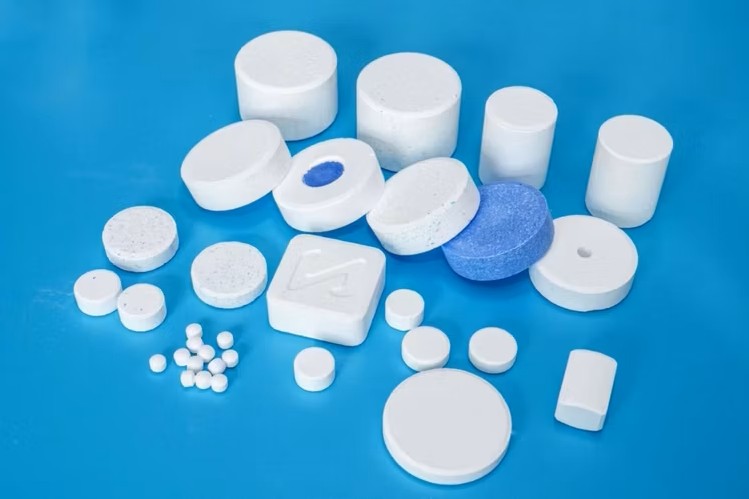
Bulk SDIC for Chemical Plants: Chlorine Industrial
Introduction
In today’s rapidly evolving industrial landscape, chemical plants require reliable, efficient, and cost-effective solutions for water treatment, disinfection, and sanitation processes. Sodium Dichloroisocyanurate (SDIC) has emerged as a premier choice for industrial chlorine applications, offering superior stability, powerful oxidizing capabilities, and versatile usage across multiple sectors. This comprehensive guide explores everything B2B buyers need to know about sourcing bulk SDIC for chemical plant operations, helping you make informed procurement decisions that drive operational excellence.
Understanding SDIC: The Industrial Chlorine Solution
What is Sodium Dichloroisocyanurate?
Sodium Dichloroisocyanurate, commonly known as SDIC or NaDCC, is an organic chlorine-containing compound with the chemical formula C₃Cl₂N₃NaO₃ and CAS number 2893-78-9. This white crystalline powder or granular solid serves as a high-efficiency, broad-spectrum disinfectant and oxidizing agent. With available chlorine content ranging from 56% to 60%, SDIC delivers consistent performance in diverse industrial applications.
Key Chemical Properties
SDIC exhibits remarkable solubility in water while maintaining stability during storage and transportation. The compound releases hypochlorous acid upon dissolution, providing powerful oxidative action that effectively eliminates bacteria, viruses, fungi, and algae. Its molecular structure ensures controlled chlorine release, making it safer and more manageable than traditional chlorine gas or liquid bleach solutions.
Why Chemical Plants Choose Bulk SDIC
Cost-Effectiveness at Scale
Purchasing SDIC in bulk quantities offers significant economic advantages for chemical plants and industrial facilities. Bulk procurement reduces per-unit costs, minimizes packaging waste, and ensures consistent supply chains for continuous operations. Large-scale buyers benefit from optimized logistics, reduced handling frequencies, and improved inventory management.
Superior Performance Characteristics
Industrial-grade SDIC provides multiple operational benefits:
- High Available Chlorine Content: Delivers 56-60% active chlorine for maximum disinfection power
- Extended Shelf Life: Maintains stability under proper storage conditions for up to 24 months
- Controlled Release: Gradual chlorine dissolution prevents shocking and ensures sustained effectiveness
- Wide pH Range: Effective across various water chemistry conditions
- Low Residue: Minimal byproduct formation compared to alternative chlorine sources
Safety and Handling Advantages
Unlike chlorine gas or liquid hypochlorite, SDIC presents reduced safety risks during storage and handling. The solid form eliminates leakage concerns, reduces corrosion potential, and simplifies transportation compliance. Chemical plants appreciate the reduced regulatory burden and enhanced workplace safety profiles associated with SDIC procurement.
Industrial Applications of Bulk SDIC
Water Treatment Systems
Municipal and industrial water treatment facilities rely on SDIC for primary and secondary disinfection processes. The compound effectively controls microbial growth in cooling towers, boilers, and process water systems while maintaining water quality standards required by regulatory agencies.
Swimming Pool and Recreational Water
Commercial pool operators choose SDIC for its consistent chlorine delivery and reduced formation of chloramines. Bulk supplies ensure uninterrupted operation during peak seasons while maintaining optimal water sanitation levels.
Textile and Paper Industries
SDIC serves as an effective bleaching agent in textile processing and paper manufacturing. The controlled oxidation properties protect fiber integrity while achieving desired whiteness levels, making it preferable to harsher chlorine alternatives.
Food Processing and Agriculture
Food processing facilities utilize SDIC for equipment sanitation, surface disinfection, and process water treatment. Agricultural applications include irrigation water treatment and post-harvest produce sanitation, ensuring compliance with food safety regulations.
Sourcing Considerations for B2B Buyers
Quality Standards and Certifications
When evaluating bulk SDIC suppliers, prioritize manufacturers with established quality management systems. ISO 9001 certification, third-party testing documentation, and consistent batch analysis reports indicate reliable production standards. Request certificates of analysis for each shipment to verify chlorine content, moisture levels, and impurity specifications.
Packaging and Logistics Options
Bulk SDIC is available in various packaging configurations to suit different operational needs:
- 25kg Bags: Standard packaging for medium-scale operations
- 50kg Drums: Enhanced protection for sensitive applications
- 500kg-1000kg IBC Containers: Optimal for large industrial facilities
- Custom Packaging: Tailored solutions for specific handling requirements
Supply Chain Reliability
Partner with suppliers who demonstrate consistent production capacity, adequate inventory levels, and robust distribution networks. Evaluate lead times, minimum order quantities, and flexibility in accommodating urgent requirements. Reliable suppliers maintain strategic stockpiles to buffer against market fluctuations and ensure uninterrupted supply.
Technical Support and Customer Service
Application Consulting
Experienced SDIC suppliers provide technical guidance on optimal dosing rates, compatibility assessments, and integration with existing treatment systems. This expertise helps chemical plants maximize product effectiveness while minimizing operational costs.
Regulatory Compliance Assistance
Navigate complex regulatory requirements with supplier support on documentation, safety data sheets, and transportation classifications. Compliance expertise reduces administrative burden and ensures adherence to local and international standards.
After-Sales Support
Quality suppliers maintain ongoing communication to address performance questions, troubleshoot application challenges, and provide product updates. This partnership approach ensures long-term satisfaction and continuous improvement in treatment outcomes.
Market Trends and Future Outlook
The global SDIC market continues expanding driven by increasing demand for water treatment solutions, heightened hygiene awareness, and regulatory pressures for safer disinfection alternatives. Manufacturing innovations focus on enhanced stability, improved dissolution rates, and reduced environmental impact. B2B buyers should anticipate evolving product specifications and packaging innovations that deliver greater value.
Conclusion
Bulk SDIC represents a strategic investment for chemical plants seeking reliable, efficient, and safe industrial chlorine solutions. By understanding product characteristics, application requirements, and sourcing considerations, B2B buyers can establish productive partnerships with qualified suppliers. The right SDIC procurement strategy delivers operational excellence, cost savings, and compliance confidence for your industrial facilities.
Ready to optimize your chemical plant operations with premium bulk SDIC? Our team stands prepared to discuss your specific requirements, provide customized quotations, and ensure seamless supply chain integration.
Frequently Asked Questions (FAQ)
Q1: What is the typical shelf life of bulk SDIC? A: Properly stored SDIC maintains stability for 18-24 months. Store in cool, dry, well-ventilated areas away from direct sunlight and moisture to maximize product longevity.
Q2: What minimum order quantities do suppliers typically require? A: Minimum orders vary by supplier, typically ranging from 1-5 metric tons for bulk purchases. Larger quantities often qualify for volume discounts and preferential shipping terms.
Q3: How should SDIC be stored in chemical plant facilities? A: Maintain storage temperatures below 25°C with relative humidity under 70%. Keep containers sealed and separated from incompatible materials including acids, ammonia, and organic compounds.
Q4: Can SDIC be used alongside other water treatment chemicals? A: SDIC is compatible with many treatment chemicals, but compatibility testing is recommended before combining with coagulants, flocculants, or other oxidizing agents. Consult technical support for specific application guidance.
Q5: What documentation accompanies bulk SDIC shipments? A: Standard documentation includes Certificate of Analysis, Safety Data Sheet (SDS), packaging certificates, and transportation compliance documents. Additional certifications available upon request.
Q6: How quickly can suppliers fulfill urgent bulk orders? A: Lead times typically range from 7-15 days for standard orders, with expedited options available for urgent requirements. Established suppliers maintain inventory buffers to accommodate time-sensitive needs.
