
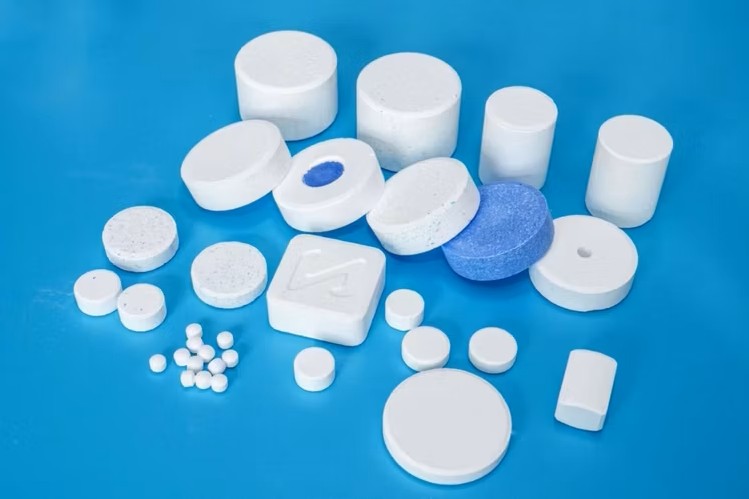
Bulk SDIC for Clinics: Medical Sanitization Grade Quick
Introduction
In today’s healthcare landscape, maintaining impeccable sanitation standards is not just a regulatory requirement—it’s a fundamental commitment to patient safety and public health. Clinics, medical centers, and healthcare facilities worldwide face the ongoing challenge of selecting effective, reliable, and cost-efficient disinfection solutions. Sodium Dichloroisocyanurate (SDIC), commonly known by its trade names such as NaDCC or Dichlor, has emerged as a leading choice for medical sanitization grade disinfection. This comprehensive guide explores why bulk SDIC represents the optimal solution for clinics seeking quick, effective, and economical sanitization protocols.
Understanding SDIC: The Science Behind Medical Grade Disinfection
What is Sodium Dichloroisocyanurate?
Sodium Dichloroisocyanurate (SDIC), with CAS number 2893-78-9 and molecular formula C₃Cl₂N₃NaO₃, is a chlorinated isocyanurate compound that serves as a powerful oxidizing agent and disinfectant. This white crystalline powder or granular substance releases chlorine when dissolved in water, creating hypochlorous acid—the active sanitizing component that eliminates pathogens effectively.
Key Chemical Properties
SDIC contains approximately 56-60% available chlorine, making it significantly more concentrated than traditional bleach solutions. Its molecular weight of 219.95 g/mol ensures stable chlorine release over extended periods. The compound demonstrates excellent water solubility while maintaining stability during storage, provided it remains in cool, dry, and well-ventilated conditions.
Why Clinics Choose Bulk SDIC for Medical Sanitization
Superior Disinfection Performance
Medical facilities require disinfectants capable of eliminating a broad spectrum of pathogens including bacteria, viruses, fungi, and spores. SDIC delivers comprehensive antimicrobial action, effectively preventing the transmission of hepatitis, influenza, and other infectious diseases. Its rapid action ensures quick turnaround between patient appointments without compromising sanitation quality.
Cost-Effectiveness for Healthcare Facilities
Purchasing SDIC in bulk quantities offers substantial economic advantages for clinics and medical centers. Bulk procurement reduces per-unit costs significantly compared to retail disinfectant products. Additionally, SDIC’s high chlorine concentration means smaller quantities achieve the same disinfection results as larger volumes of alternative products, further optimizing operational budgets.
Extended Shelf Life and Stability
Unlike liquid bleach solutions that degrade rapidly, SDIC maintains its potency for extended periods when stored properly. This stability reduces waste from expired products and ensures consistent disinfection performance across all applications. Healthcare facilities can maintain adequate inventory without concerns about product degradation affecting sanitization efficacy.
Application Guidelines for Clinic Sanitization
Surface Disinfection Protocols
For general surface disinfection in clinical settings, prepare SDIC solutions at concentrations between 500-1000 ppm available chlorine. Apply using spray bottles, mop systems, or wipe-down methods depending on the surface type and contamination level. High-touch areas including examination tables, door handles, medical equipment, and waiting room furniture require regular treatment throughout operational hours.
Instrument and Equipment Sanitization
Non-critical medical instruments and equipment benefit from SDIC sanitization solutions. Prepare appropriate concentrations following manufacturer guidelines and ensure adequate contact time for effective pathogen elimination. Always rinse instruments thoroughly after disinfection before patient use to prevent chemical residue exposure.
Floor and Wall Treatment
Clinical floors and walls require periodic deep sanitization to maintain hygienic environments. SDIC solutions at 1000-2000 ppm concentrations effectively eliminate pathogens from these surfaces. Implement scheduled cleaning routines during off-peak hours to minimize disruption to patient care activities.
Safety Considerations and Best Practices
Proper Handling Procedures
While SDIC offers excellent safety profiles when used correctly, proper handling remains essential. Personnel should wear appropriate personal protective equipment including gloves, eye protection, and masks when preparing concentrated solutions. Ensure adequate ventilation in mixing areas to prevent inhalation of dust particles during powder handling.
Storage Requirements
Store SDIC products in original containers within cool, dry, and well-ventilated areas away from direct sunlight and heat sources. Keep containers tightly sealed to prevent moisture absorption, which can reduce product effectiveness. Separate SDIC from incompatible materials including acids, ammonia compounds, and organic substances to prevent dangerous chemical reactions.
Environmental Responsibility
SDIC breaks down into environmentally benign compounds after use, making it a responsible choice for healthcare facilities committed to sustainability. Proper disposal of used solutions following local regulations ensures minimal environmental impact while maintaining effective sanitization protocols.
Quality Standards and Certification
Medical Grade Specifications
When sourcing bulk SDIC for clinic applications, verify that products meet medical sanitization grade specifications. Look for suppliers providing certificates of analysis confirming purity levels, available chlorine content, and absence of harmful contaminants. ISO 9001 certified manufacturers demonstrate commitment to consistent quality management systems.
Regulatory Compliance
Ensure SDIC products comply with relevant healthcare regulations in your jurisdiction. Different regions may have specific requirements for disinfectants used in medical settings. Reputable suppliers provide documentation supporting regulatory compliance and product safety for healthcare applications.
Conclusion
Bulk SDIC represents an intelligent investment for clinics seeking effective, economical, and reliable medical sanitization solutions. Its superior disinfection performance, cost advantages, and stability make it the preferred choice for healthcare facilities worldwide. By implementing proper application protocols and safety practices, clinics can maintain the highest sanitation standards while optimizing operational efficiency.
Partnering with experienced SDIC suppliers ensures access to medical grade products backed by quality certifications and technical support. As healthcare demands continue evolving, SDIC remains a proven solution for comprehensive clinic sanitization needs.
Frequently Asked Questions (FAQ)
Q1: What concentration of SDIC solution should clinics use for general surface disinfection?
A: For routine surface disinfection in clinical settings, prepare SDIC solutions at 500-1000 ppm available chlorine. Higher concentrations (1000-2000 ppm) may be required for heavily contaminated areas or during outbreak situations.
Q2: How long does bulk SDIC remain effective when stored properly?
A: When stored in cool, dry conditions away from moisture and direct sunlight, bulk SDIC typically maintains effectiveness for 2-3 years. Always check expiration dates and conduct periodic quality testing for critical applications.
Q3: Is SDIC safe for use on all medical equipment surfaces?
A: SDIC is compatible with most non-porous surfaces including stainless steel, plastic, and glass. However, test on small areas first for sensitive materials. Avoid use on copper, brass, or aluminum surfaces as chlorine may cause corrosion.
Q4: What is the recommended contact time for effective disinfection?
A: Allow SDIC solutions to remain on surfaces for at least 5-10 minutes for optimal pathogen elimination. Heavily soiled areas may require extended contact times or pre-cleaning before disinfection application.
Q5: Can SDIC be used for water disinfection in clinic settings?
A: Yes, SDIC is effective for water treatment applications including dialysis water preparation and general facility water sanitization. Follow specific concentration guidelines for water treatment applications to ensure safety and efficacy.
Q6: How do I calculate the correct SDIC dosage for my clinic’s needs?
A: Dosage calculations depend on desired chlorine concentration, water volume, and SDIC available chlorine content. Consult with your supplier for specific calculation assistance based on your facility requirements and application methods.
Ready to optimize your clinic’s sanitization protocol with bulk SDIC solutions? Visit our contact page to discuss your specific requirements and receive customized quotations for medical grade SDIC products. https://envochemical.com/contact-us/
