
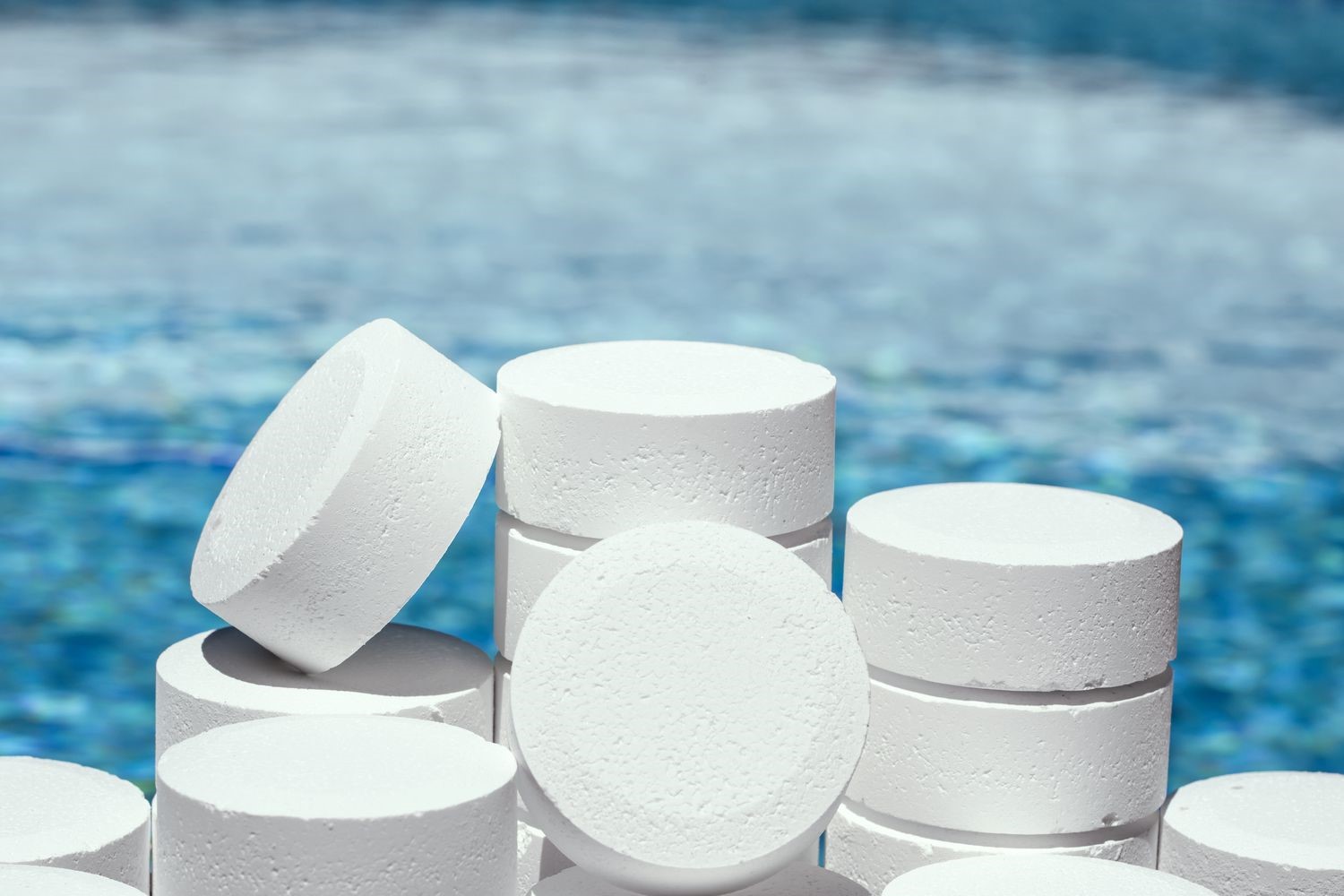
Bulk SDIC for Clinics: Quick Grade Sanitization Medical
Introduction
In my fifteen years working within the water treatment and disinfection chemical industry, I have witnessed firsthand how critical proper sanitization protocols are for healthcare facilities. The ongoing global emphasis on infection control has elevated the importance of selecting the right disinfectant for medical clinics, hospitals, and outpatient care centers. Among the various options available, Sodium Dichloroisocyanurate (SDIC) has emerged as a cornerstone solution for bulk medical sanitization needs.
This article addresses the specific challenges that clinic administrators, procurement managers, and healthcare facility operators face when sourcing disinfection chemicals. I will walk you through why SDIC represents an optimal choice for medical-grade sanitization, how to evaluate bulk suppliers, and what specifications matter most for clinical applications.
Why SDIC Stands Out for Medical Facility Disinfection
Superior Chemical Stability and Shelf Life
One of the primary concerns I hear from clinic procurement teams is product stability. Unlike liquid chlorine solutions that degrade rapidly, SDIC maintains its effectiveness over extended storage periods. The chemical composition of sodium dichloroisocyanurate allows it to retain approximately 90% of its active chlorine content even after twelve months of proper storage.
For medical facilities managing multiple locations or maintaining emergency stockpiles, this stability translates directly into cost savings and reduced waste. I have consulted with several regional healthcare networks that reduced their annual disinfectant expenditure by nearly thirty percent simply by switching from liquid bleach to bulk SDIC powder.
Broad-Spectrum Antimicrobial Action
The disinfection requirements for clinics extend far beyond basic bacteria elimination. Medical environments must address viruses, fungal spores, and resistant microorganisms that pose infection risks to vulnerable patients. SDIC delivers comprehensive antimicrobial coverage through its release of hypochlorous acid when dissolved in water.
Research conducted by international health organizations confirms that SDIC solutions at appropriate concentrations achieve log-level reduction of pathogens including:
- Methicillin-resistant Staphylococcus aureus (MRSA)
- Hepatitis B and C viruses
- Influenza strains
- Clostridium difficile spores
- Various coronaviruses
This broad-spectrum capability makes SDIC particularly valuable for clinics handling diverse patient populations and procedure types.
Rapid Dissolution and Application Flexibility
Time efficiency matters enormously in clinical settings. Nursing staff and cleaning crews cannot afford lengthy preparation processes during shift changes or between patient appointments. SDIC powder dissolves quickly in water across a range of temperatures, enabling rapid solution preparation.
The flexibility extends to application methods. Facilities can utilize SDIC solutions for:
- Surface disinfection of examination tables and medical equipment
- Floor and wall sanitization in treatment rooms
- Instrument soaking protocols (where compatible with materials)
- Hand hygiene stations in resource-limited settings
- Laundry disinfection for clinic linens and staff uniforms
Critical Specifications for Medical Grade SDIC
Active Chlorine Content Requirements
Not all SDIC products meet medical facility standards. Through my industry experience, I recommend specifying active chlorine content between 56% and 60% for clinical applications. Lower concentrations may require higher dosing rates, ultimately increasing costs and complicating preparation protocols.
When requesting quotes from suppliers, always demand certificates of analysis confirming active chlorine percentages. Reputable manufacturers provide batch-specific documentation that verifies product quality before shipment.
Particle Size and Solubility Considerations
The physical form of SDIC affects both dissolution rate and handling characteristics. For clinic environments, I typically recommend granular formulations in the 20-60 mesh range. This particle size balances rapid dissolution with minimal dust generation during handling.
Fine powders below 80 mesh create airborne particles that pose inhalation risks for staff members. Conversely, large tablets or granules above 8 mesh dissolve too slowly for efficient daily operations. The middle range provides optimal performance for most medical facility applications.
Purity and Contaminant Limits
Medical-grade SDIC must meet stringent purity standards. Heavy metal contamination, excessive moisture content, or incompatible chemical residues can compromise both disinfection effectiveness and safety. Leading manufacturers adhere to ISO 9001 quality management systems and provide comprehensive quality documentation.
Ask potential suppliers about their testing protocols for:
- Heavy metals (lead, arsenic, mercury)
- Moisture content (should not exceed 5%)
- pH stability in solution
- Foreign matter contamination
Bulk Procurement Strategy for Healthcare Facilities
Evaluating Supplier Capabilities
Selecting the right SDIC supplier requires more than comparing unit prices. I advise clinic procurement teams to assess several critical factors:
Production Capacity: Can the supplier consistently meet your volume requirements, especially during peak demand periods or public health emergencies? Facilities that experienced supply chain disruptions during recent global health crises learned this lesson painfully.
Regulatory Compliance: Does the manufacturer maintain necessary certifications for medical and healthcare applications? Look for facilities with ISO 13485 medical device quality management certification or equivalent standards.
Technical Support: Will the supplier provide formulation guidance, safety data sheets, and application training? Quality suppliers invest in customer education rather than simply shipping products.
Packaging and Logistics Considerations
Bulk SDIC typically ships in 25kg bags, 50kg drums, or 1000kg bulk containers. Your choice depends on facility size, storage capacity, and consumption rates. Smaller clinics often find 25kg packaging most practical, while hospital systems may optimize costs through larger container purchases.
Pay attention to packaging integrity. SDIC absorbs moisture from humid environments, which degrades product quality. Double-check that suppliers use moisture-resistant packaging with proper sealing mechanisms.
Cost Optimization Without Compromising Quality
While budget constraints are real for most healthcare facilities, I caution against selecting suppliers based solely on lowest price. Substandard SDIC products create hidden costs through:
- Reduced disinfection effectiveness requiring higher usage rates
- Increased frequency of product replacement due to stability issues
- Potential liability from inadequate infection control
- Staff time wasted on product failures or reformulation
A moderate price premium for verified quality typically delivers better total cost of ownership when all factors are considered.
Safety and Handling Protocols for Clinical Settings
Staff Training Requirements
Proper handling of SDIC requires trained personnel. I recommend implementing comprehensive training programs covering:
- Personal protective equipment requirements (gloves, eye protection, masks when handling powder)
- Correct solution preparation procedures
- Emergency response for spills or exposure incidents
- Safe storage practices away from incompatible chemicals
Documentation of training completion protects facilities from liability and ensures consistent protocol adherence across staff shifts.
Storage Best Practices
SDIC should be stored in cool, dry areas away from direct sunlight and heat sources. Ideal storage temperatures range between 15°C and 25°C. Never store SDIC near ammonia-containing products, acids, or organic materials that could create hazardous reactions.
Implement first-in-first-out inventory management to ensure older stock is used before newer shipments. This practice maintains product effectiveness and prevents waste from expired materials.
Environmental Considerations
Modern healthcare facilities increasingly prioritize environmental responsibility. SDIC offers advantages over some alternative disinfectants because it breaks down into relatively benign byproducts. However, proper disposal of concentrated solutions remains important.
Work with suppliers who provide environmental impact documentation and disposal guidance compliant with local regulations. This proactive approach demonstrates institutional commitment to sustainability while maintaining regulatory compliance.
Frequently Asked Questions
Q: What concentration of SDIC solution is recommended for general clinic surface disinfection?
A: For routine surface disinfection in medical clinics, I recommend solutions containing 500-1000 ppm available chlorine. This typically requires dissolving approximately 1-2 grams of 56% SDIC per liter of water. Higher-risk areas or outbreak situations may warrant concentrations up to 2000 ppm.
Q: How long does prepared SDIC solution remain effective?
A: Freshly prepared SDIC solutions maintain optimal effectiveness for approximately 24 hours when stored in closed containers away from light. For best results, I advise preparing only the volume needed for daily operations and discarding unused solution at shift end.
Q: Can SDIC be used on all medical equipment surfaces?
A: While SDIC is compatible with most hard surfaces, certain materials require caution. Avoid prolonged contact with aluminum, copper, and some plastics that may corrode or degrade. Always test on inconspicuous areas first and follow equipment manufacturer cleaning guidelines.
Q: What certifications should I look for when purchasing bulk SDIC for medical use?
A: Prioritize suppliers who provide ISO 9001 quality certification, comprehensive Safety Data Sheets (SDS), and batch-specific certificates of analysis. Some regions may require additional registrations for healthcare disinfectant products.
Q: How does SDIC compare to sodium hypochlorite (bleach) for clinic applications?
A: SDIC offers superior stability, longer shelf life, and more consistent active chlorine content compared to liquid bleach. While initial cost per kilogram may be higher, the reduced waste and more predictable performance often deliver better value for medical facilities managing regular disinfection protocols.
Author: Dr. Marcus Thornfield
With over fifteen years of experience in water treatment chemistry and healthcare disinfection protocols, Dr. Thornfield has consulted for healthcare facilities across North America, Europe, and Asia on infection control chemical procurement and implementation strategies.
Yes
