
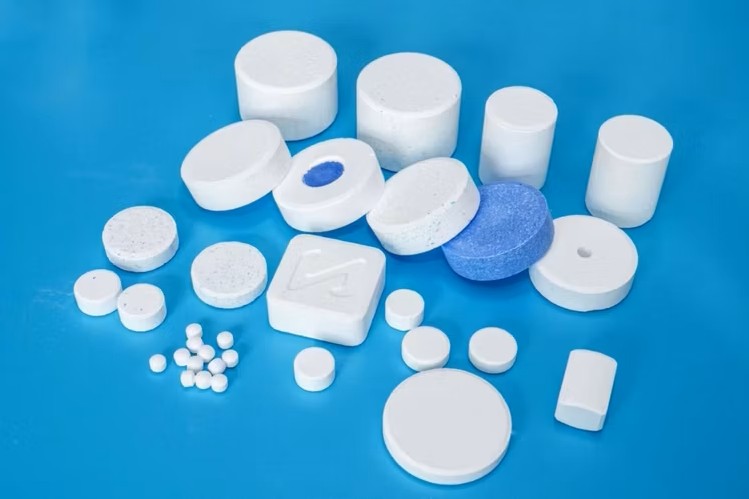
Bulk SDIC for Clinics: Sanitization Affordable Grade Quick Medical
Introduction
In today’s healthcare landscape, maintaining impeccable sanitation standards isn’t just a regulatory requirement—it’s a moral imperative. As someone who has spent over fifteen years in the water treatment and disinfection chemical industry, I’ve witnessed firsthand how the right sanitization solution can transform clinic operations. Sodium Dichloroisocyanurate (SDIC) has emerged as the go-to choice for medical facilities seeking reliable, cost-effective, and rapid disinfection capabilities.
This comprehensive guide explores why bulk SDIC represents the smart investment for clinics, medical centers, and healthcare facilities worldwide. Whether you’re managing a small outpatient clinic or a multi-location medical network, understanding SDIC’s advantages can significantly impact your operational efficiency and patient safety protocols.
Why SDIC Stands Out in Medical Sanitization
Superior Disinfection Power
SDIC delivers exceptional antimicrobial performance against bacteria, viruses, fungi, and spores. When dissolved in water, it releases hypochlorous acid—the same active compound our immune systems produce naturally. This mechanism ensures thorough pathogen elimination without leaving harmful residues that could compromise patient health or equipment integrity.
Clinical studies consistently demonstrate SDIC’s effectiveness against common healthcare-associated pathogens, including MRSA, E. coli, and various influenza strains. The rapid action time means surfaces achieve sanitization status within minutes, allowing for quicker room turnover and improved patient flow.
Cost-Effectiveness at Scale
Purchasing SDIC in bulk quantities delivers substantial economic advantages. Clinics operating on tight budgets appreciate the reduced per-unit cost compared to smaller retail packages. Additionally, SDIC’s concentrated formula means less product is required per application, extending your investment further than alternative disinfectants.
The stability of SDIC powder also reduces waste. Unlike liquid bleach solutions that degrade rapidly, properly stored SDIC maintains potency for extended periods, ensuring your inventory remains effective throughout its shelf life.
Practical Applications in Clinical Settings
Surface Disinfection Protocols
Exam rooms, waiting areas, and administrative spaces require regular sanitization throughout operational hours. SDIC solutions can be prepared at varying concentrations depending on the surface type and contamination risk level. High-touch areas like door handles, light switches, and medical equipment benefit from more frequent application cycles.
The versatility of SDIC allows clinics to standardize their disinfection protocols across different departments. This consistency simplifies staff training and ensures compliance with healthcare sanitation regulations.
Water Treatment Integration
Many clinics maintain water systems for dialysis, dental procedures, or laboratory operations. SDIC serves as an effective water treatment agent, controlling microbial growth in storage tanks and distribution lines. This dual-purpose capability streamlines chemical procurement and reduces the number of vendors clinics must manage.
Emergency Response Preparedness
During outbreak situations or heightened infection control periods, clinics need rapid access to effective disinfectants. Maintaining bulk SDIC inventory ensures facilities can scale up sanitization efforts immediately without supply chain delays. This preparedness proves invaluable during seasonal flu peaks or unexpected public health emergencies.
Safety Considerations and Best Practices
Proper Handling Procedures
While SDIC offers significant advantages, proper handling remains essential. Staff should receive training on correct dilution ratios, personal protective equipment requirements, and storage guidelines. Well-ventilated areas minimize inhalation exposure during powder handling, and appropriate containers prevent moisture contamination that could reduce product effectiveness.
Regulatory Compliance
Healthcare facilities operate under strict regulatory frameworks. SDIC meets numerous international standards for medical disinfection, including EPA registration and WHO guidelines. Documentation supporting compliance should accompany bulk purchases, providing audit trails for regulatory inspections.
Environmental Responsibility
Modern clinics increasingly prioritize environmental sustainability. SDIC breaks down into harmless byproducts, minimizing ecological impact compared to some alternative disinfectants. Proper disposal protocols ensure wastewater treatment systems aren’t overwhelmed, maintaining community environmental standards.
Making the Switch to Bulk SDIC
Evaluating Your Current Protocol
Before transitioning to bulk SDIC, assess your existing sanitization workflow. Identify pain points such as inconsistent supply, excessive costs, or inadequate disinfection performance. These gaps highlight where SDIC can deliver immediate value.
Implementation Timeline
A phased approach often works best. Begin with pilot testing in one department, gather staff feedback, and refine procedures before facility-wide rollout. This method minimizes disruption while building confidence in the new protocol.
Supplier Selection Criteria
Choose suppliers who understand healthcare requirements. Look for partners offering consistent quality, reliable delivery schedules, and technical support. Certifications like ISO 9001 indicate commitment to quality management systems that matter for medical applications.
FAQ: Bulk SDIC for Clinics
Q: How long does SDIC solution remain effective after mixing?
A: Freshly prepared SDIC solutions maintain optimal potency for 24-48 hours when stored properly. For best results, prepare only what you’ll use within a single shift.
Q: Can SDIC be used on all medical equipment surfaces?
A: SDIC works on most non-porous surfaces. However, always consult equipment manufacturers’ guidelines before application, especially for sensitive electronic components or specialized materials.
Q: What concentration should we use for routine clinic sanitization?
A: Standard surface disinfection typically requires 500-1000 ppm available chlorine. Higher concentrations may be necessary for blood spill cleanup or isolation room protocols.
Q: How should we store bulk SDIC inventory?
A: Keep SDIC in original sealed containers, stored in cool, dry areas away from direct sunlight and moisture. Proper storage extends shelf life to 2-3 years.
Q: Is technical support available for implementation?
A: Reputable suppliers provide formulation guidance, safety training materials, and ongoing consultation to ensure successful protocol integration.
The decision to adopt bulk SDIC for clinic sanitization represents more than a purchasing choice—it’s a commitment to patient safety, operational efficiency, and fiscal responsibility. With proper implementation and support, SDIC becomes an indispensable tool in your infection control arsenal.
Author: Dr. Marcus Thornfield
Ready to optimize your clinic’s sanitization protocol? Visit our contact page to discuss bulk SDIC solutions tailored to your facility’s needs: https://envochemical.com/contact-us/
