
Bulk SDIC for Livestock: Solutions Animal Purity Farm
Introduction
In the modern agricultural landscape, maintaining animal health and farm hygiene has become paramount for livestock operations worldwide. Bulk SDIC (Sodium Dichloroisocyanurate) has emerged as a critical solution for achieving superior animal purity and farm sanitation standards. This comprehensive guide explores how bulk SDIC disinfection supplies can transform your livestock management practices while ensuring cost-effective, reliable protection against harmful pathogens.
For farm operators seeking scalable disinfection solutions, understanding the benefits of bulk SDIC procurement is essential. This article provides actionable insights into implementing effective sanitation protocols that safeguard animal welfare and optimize operational efficiency.
Understanding SDIC: The Science Behind Effective Disinfection
Chemical Composition and Properties
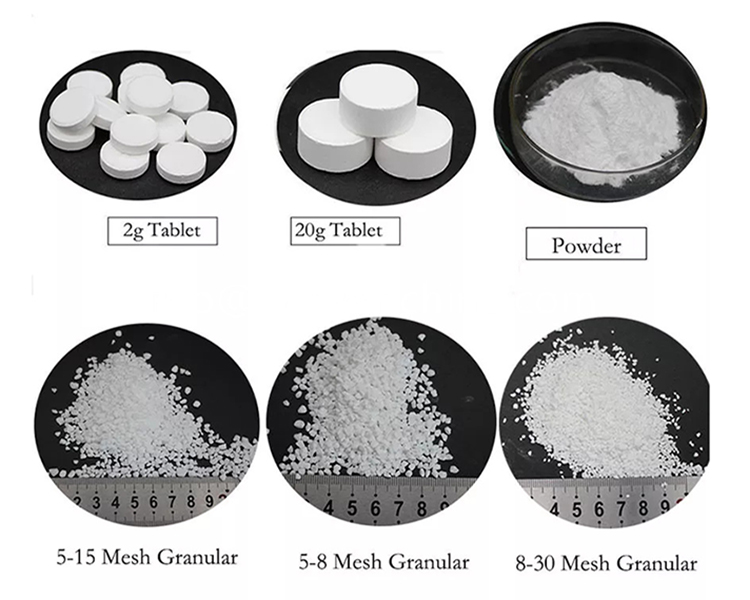
Sodium Dichloroisocyanurate, commonly known as SDIC, is a powerful chlorinated isocyanurate compound with the chemical formula C₃Cl₂N₃NaO₃. With a molecular weight of 219.95 and CAS number 2893-78-9, this white crystalline powder offers exceptional stability and solubility in water, making it ideal for large-scale farm applications.
The compound functions as a strong oxidizing agent, releasing chlorine gradually when dissolved in water. This controlled release mechanism ensures prolonged disinfection activity while minimizing potential toxicity to animals when used according to recommended concentrations.
Mechanism of Action
SDIC works by disrupting microbial cell walls and interfering with essential metabolic processes in bacteria, viruses, and fungi. The active chlorine component oxidizes cellular proteins and enzymes, effectively neutralizing pathogens that threaten livestock health. This broad-spectrum activity makes SDIC particularly valuable for comprehensive farm sanitation programs.
Benefits of Bulk SDIC for Livestock Operations
Cost-Effectiveness and Supply Stability
Purchasing SDIC in bulk quantities offers significant economic advantages for medium to large-scale livestock farms. Bulk procurement reduces per-unit costs while ensuring consistent supply availability, eliminating disruptions that could compromise sanitation schedules. Farms can maintain optimal inventory levels without frequent reordering, streamlining operational logistics.
Enhanced Biosecurity Protocols
Implementing bulk SDIC solutions strengthens overall farm biosecurity measures. Regular disinfection of animal housing, equipment, transportation vehicles, and surrounding environments creates multiple barriers against disease introduction and spread. This proactive approach minimizes veterinary costs and reduces production losses associated with disease outbreaks.
Versatility Across Applications
Bulk SDIC serves multiple purposes within livestock operations:
- Water Treatment: Ensures clean drinking water free from harmful microorganisms
- Surface Disinfection: Sanitizes barns, pens, feeding equipment, and tools
- Footbath Solutions: Prevents pathogen transmission through footwear
- Waste Management: Controls odor and reduces pathogen load in manure handling systems
- Vehicle Sanitization: Disinfects transport vehicles entering and leaving farm premises
Implementation Strategies for Optimal Results
Concentration Guidelines
Proper dilution is critical for maximizing SDIC effectiveness while ensuring animal safety. General recommendations include:
- Routine Surface Disinfection: 200-500 ppm available chlorine
- Water Treatment: 2-5 ppm residual chlorine
- Footbath Solutions: 500-1000 ppm concentration
- Outbreak Response: 1000-2000 ppm for enhanced disinfection
Always consult product specifications and adjust concentrations based on specific farm conditions and regulatory requirements.
Storage and Handling Best Practices
Maintaining SDIC quality requires appropriate storage conditions. Store bulk quantities in cool, dry, well-ventilated areas away from direct sunlight and moisture. Keep containers tightly sealed when not in use to prevent degradation. Implement proper handling procedures including personal protective equipment to ensure worker safety during application.
Integration with Existing Protocols
Successful SDIC implementation complements existing farm management practices rather than replacing them. Integrate disinfection schedules with routine cleaning, vaccination programs, and health monitoring systems for comprehensive animal health protection. Document all applications to maintain compliance with industry standards and regulatory requirements.
Environmental and Safety Considerations
Responsible Usage Practices
While SDIC offers excellent disinfection properties, responsible usage minimizes environmental impact. Avoid excessive application that could lead to chlorine accumulation in soil or water systems. Follow local regulations regarding discharge and disposal of chlorinated solutions.
Animal Welfare Compliance
Properly diluted SDIC solutions are safe for use in occupied animal spaces when applied according to manufacturer guidelines. Ensure adequate ventilation during application and allow sufficient contact time before animals re-enter treated areas. Monitor animal behavior for any signs of irritation and adjust protocols accordingly.
Choosing the Right Bulk SDIC Supplier
Quality Assurance Factors
Select suppliers who provide comprehensive quality documentation including certificates of analysis, safety data sheets, and batch traceability. Verify product purity levels (typically 56-60% available chlorine) and particle size specifications match your application requirements.
Technical Support Availability
Partner with suppliers offering technical assistance for protocol development, troubleshooting, and staff training. Access to expert guidance ensures optimal product utilization and helps address specific farm challenges effectively.
Supply Chain Reliability
Evaluate supplier capacity to meet your volume requirements consistently. Consider lead times, minimum order quantities, and delivery options that align with your operational needs. Reliable supply chains prevent sanitation gaps that could compromise farm biosecurity.
Conclusion
Bulk SDIC represents a strategic investment in livestock farm hygiene and animal health protection. By understanding proper application methods, maintaining appropriate concentrations, and partnering with qualified suppliers, farm operators can achieve superior sanitation outcomes while controlling operational costs. The versatility, effectiveness, and economic advantages of bulk SDIC make it an essential component of modern livestock management strategies focused on animal purity and farm sustainability.
Frequently Asked Questions (FAQ)
Q1: What is the shelf life of bulk SDIC?
A: Properly stored SDIC maintains effectiveness for 2-3 years. Store in original containers in cool, dry conditions away from moisture and direct sunlight to maximize shelf life.
Q2: Can SDIC be used around pregnant animals?
A: Yes, when diluted to recommended concentrations, SDIC is safe for use in facilities housing pregnant animals. Ensure proper ventilation and follow application guidelines carefully.
Q3: How often should farm surfaces be disinfected with SDIC?
A: Frequency depends on farm type and risk level. High-traffic areas may require daily disinfection, while general facilities typically benefit from weekly treatments. Adjust based on disease pressure and operational needs.
Q4: Is SDIC compatible with other disinfectants?
A: Do not mix SDIC with other chemicals, especially acids or ammonia-based products, as this can create hazardous reactions. Use separately with adequate rinsing between different disinfectant applications.
Q5: What certifications should I look for in SDIC suppliers?
A: Seek suppliers with ISO certifications, regulatory compliance documentation, and third-party quality testing. Verify products meet local agricultural and environmental standards.
Q6: How do I calculate the correct SDIC dosage for my farm?
A: Dosage depends on water volume, surface area, and desired chlorine concentration. Consult supplier technical teams for customized calculations based on your specific farm layout and requirements.
