
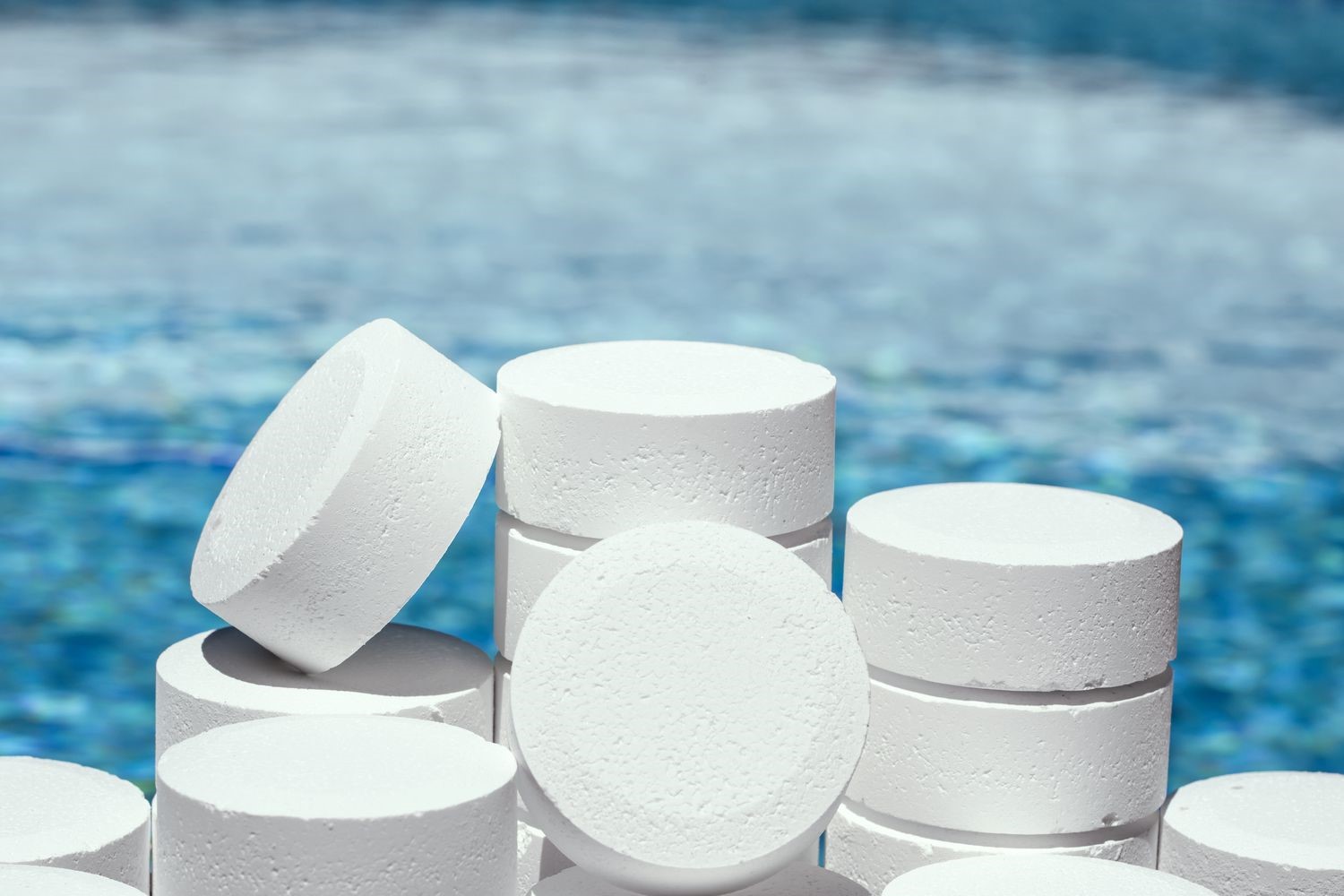
Bulk SDIC for Pharma Plants: High Chlorination
Introduction
In my fifteen years working with industrial water treatment solutions, I’ve witnessed firsthand how critical proper disinfection protocols are for pharmaceutical manufacturing facilities. When it comes to maintaining sterile environments and ensuring product safety, nothing compares to the reliability of sodium dichloroisocyanurate—commonly known as SDIC. This powerful chlorination agent has become the backbone of water treatment systems across countless pharma plants worldwide.
Today, I want to share what I’ve learned about bulk SDIC procurement and its applications in high-chlorination scenarios. Whether you’re managing a small-scale production facility or overseeing operations at a multinational pharmaceutical corporation, understanding the nuances of SDIC implementation can save your organization significant resources while maintaining compliance with the strictest regulatory standards.
Why SDIC Stands Out in Pharmaceutical Water Treatment
Superior Stability and Controlled Release
Unlike traditional chlorine-based disinfectants, SDIC offers something that pharmaceutical engineers truly value: predictable, sustained chlorination. The molecular structure of sodium dichloroisocyanurate (C₃Cl₂N₃NaO₃) allows for gradual chlorine release over extended periods. This characteristic proves invaluable when dealing with large water storage tanks or continuous processing lines where consistent disinfectant levels are non-negotiable.
From my experience consulting with facility managers, the stability factor alone justifies the switch to SDIC. Traditional hypochlorite solutions degrade rapidly, especially in warm conditions, requiring frequent monitoring and replenishment. SDIC maintains its potency for months when stored properly, reducing both operational complexity and chemical procurement frequency.
Meeting Pharmaceutical Grade Standards
The pharmaceutical industry operates under scrutiny that would make most chemical suppliers nervous. FDA regulations, EU GMP guidelines, and other international standards demand documentation that many disinfectant manufacturers simply cannot provide. Quality SDIC suppliers understand this reality and maintain comprehensive batch testing records, certificates of analysis, and traceability documentation.
When evaluating bulk SDIC vendors, I always recommend requesting their pharmaceutical-grade certification portfolio. Look for suppliers who can demonstrate ISO 9001 compliance, provide heavy metal testing results, and offer microbiological purity guarantees. Your quality assurance team will thank you for this due diligence.
High Chlorination Applications in Pharma Facilities
Process Water Disinfection
Pharmaceutical manufacturing requires water that meets stringent purity specifications. Whether you’re producing injectables, oral medications, or topical formulations, the water entering your production lines must be free from microbial contamination. High-chlorination protocols using SDIC effectively eliminate bacteria, viruses, and fungal spores that could compromise product integrity.
I’ve worked with facilities processing over 500,000 liters daily, where SDIC dosing systems maintain residual chlorine levels between 0.5-2.0 ppm depending on the specific application. The key is finding the sweet spot between effective disinfection and avoiding excessive chlorination that could create unwanted byproducts.
Equipment Sanitization and CIP Systems
Clean-in-place (CIP) systems represent another critical application area. SDIC solutions circulate through pipelines, tanks, and processing equipment, ensuring thorough sanitization without requiring disassembly. This approach minimizes downtime while maximizing sanitation effectiveness—a combination that production managers appreciate immensely.
The oxidizing power of SDIC breaks down organic residues and biofilms that harbor microorganisms. During my consultations, I’ve observed facilities reducing their CIP cycle times by up to 30% after optimizing their SDIC concentrations and contact times.
HVAC and Cooling Water Treatment
Pharmaceutical facilities maintain precise environmental controls through sophisticated HVAC systems. These systems often incorporate cooling towers and humidification units that can become breeding grounds for Legionella and other pathogens if not properly treated. Bulk SDIC provides an effective solution for controlling microbial growth in these auxiliary water systems.
Procurement Considerations for Bulk SDIC
Concentration and Formulation Options
SDIC typically comes in two primary formulations: anhydrous powder (approximately 60% available chlorine) and dihydrate granules (around 56% available chlorine). Your choice depends on several factors including storage conditions, dosing equipment compatibility, and specific application requirements.
For high-chlorination applications, I generally recommend the anhydrous form due to its higher active chlorine content and reduced moisture sensitivity. However, facilities in humid climates might find the dihydrate version more stable during storage.
Packaging and Logistics
Bulk procurement offers significant cost advantages, but it requires careful planning regarding packaging and delivery. Common bulk options include:
- 25kg fiber drums with polyethylene liners
- 50kg plastic containers
- 500kg bulk bags for high-volume users
- Custom packaging solutions for automated dosing systems
Consider your facility’s receiving capabilities, storage space, and material handling equipment when selecting packaging formats. I’ve seen organizations save substantial amounts by optimizing their order quantities to match consumption rates while maintaining adequate safety stock.
Supplier Qualification
Not all SDIC manufacturers operate at the same quality level. When vetting potential suppliers, focus on these critical factors:
- Production capacity – Can they consistently meet your volume requirements?
- Quality control systems – Do they maintain pharmaceutical-grade manufacturing practices?
- Technical support – Will they provide application guidance and troubleshooting assistance?
- Regulatory compliance – Are their products registered with relevant authorities in your markets?
- Supply chain reliability – Do they have contingency plans for production disruptions?
Safety and Handling Protocols
Working with SDIC requires respect for its chemical properties. As a strong oxidizing agent, it demands proper storage away from combustible materials, reducing agents, and acids. Personnel handling bulk SDIC should receive comprehensive training on:
- Personal protective equipment requirements
- Spill response procedures
- First aid measures for exposure incidents
- Proper disposal methods for unused product
I always emphasize developing written standard operating procedures that address these safety considerations. Your EHS team should review and approve these protocols before implementing any SDIC handling operations.
Cost-Benefit Analysis
While SDIC may carry a higher upfront cost compared to some alternative disinfectants, the total cost of ownership often favors SDIC in pharmaceutical applications. Consider these factors:
- Reduced chemical consumption due to higher efficiency
- Lower labor costs from less frequent dosing requirements
- Decreased equipment maintenance from reduced corrosion
- Minimized product loss from contamination incidents
- Simplified regulatory compliance documentation
Facilities that have transitioned to bulk SDIC typically report ROI within 12-18 months, with ongoing operational savings continuing thereafter.
Conclusion
The decision to implement bulk SDIC for high-chlorination applications in pharmaceutical plants represents more than just a chemical procurement choice—it’s a strategic investment in product quality, operational efficiency, and regulatory compliance. Based on my years of industry experience, organizations that approach SDIC implementation thoughtfully, with proper supplier qualification and operational protocols, consistently achieve superior outcomes.
If you’re evaluating SDIC for your facility, I encourage you to start with a pilot program. Test different concentrations, monitor residual levels carefully, and document your results thoroughly. This data-driven approach will help you optimize your system before committing to full-scale implementation.
Frequently Asked Questions
Q: What is the typical shelf life of bulk SDIC?
A: When stored in cool, dry conditions away from direct sunlight, SDIC maintains its potency for 24-36 months. However, I recommend using first-in-first-out inventory management and testing older stock before use in critical applications.
Q: Can SDIC be used in combination with other water treatment chemicals?
A: Yes, but compatibility testing is essential. SDIC works well with many coagulants and flocculants, but should never be mixed directly with acids or ammonia-based compounds. Always consult your supplier’s technical documentation before combining chemicals.
Q: How do I determine the correct SDIC dosage for my facility?
A: Dosage depends on water quality, flow rates, and target residual levels. I recommend starting with jar testing to establish baseline requirements, then adjusting based on ongoing monitoring results. Many suppliers offer complimentary dosing calculations based on your specific parameters.
Q: What certifications should I look for in SDIC suppliers?
A: At minimum, request ISO 9001 certification, pharmaceutical-grade manufacturing documentation, and batch-specific certificates of analysis. For international operations, verify that the supplier meets regulatory requirements in all your operating regions.
Q: Is SDIC environmentally safe for wastewater discharge?
A: SDIC breaks down into relatively harmless byproducts, but discharge regulations vary by jurisdiction. Work with your environmental compliance team to ensure your wastewater treatment protocols meet local requirements before implementing any discharge plans.
Author: Dr. Marcus Richardson
Note: For additional technical specifications and bulk pricing inquiries, please visit our contact page at https://envochemical.com/contact-us/
