
Bulk TCCA for Pharma Factories: Treatment Water Solutions
Introduction
In the pharmaceutical industry, water quality is not just a regulatory requirement—it is the foundation of product safety and manufacturing integrity. Pharmaceutical factories demand water treatment solutions that deliver consistent disinfection performance while meeting stringent compliance standards. Bulk Trichloroisocyanuric Acid (TCCA) has emerged as a preferred choice for large-scale water treatment operations, offering reliable microbial control, cost efficiency, and operational flexibility. This article explores how bulk TCCA serves pharma factories in water treatment applications, addressing common challenges and providing actionable solutions for procurement managers and facility engineers.
Understanding TCCA in Pharmaceutical Water Treatment
What Is Trichloroisocyanuric Acid?
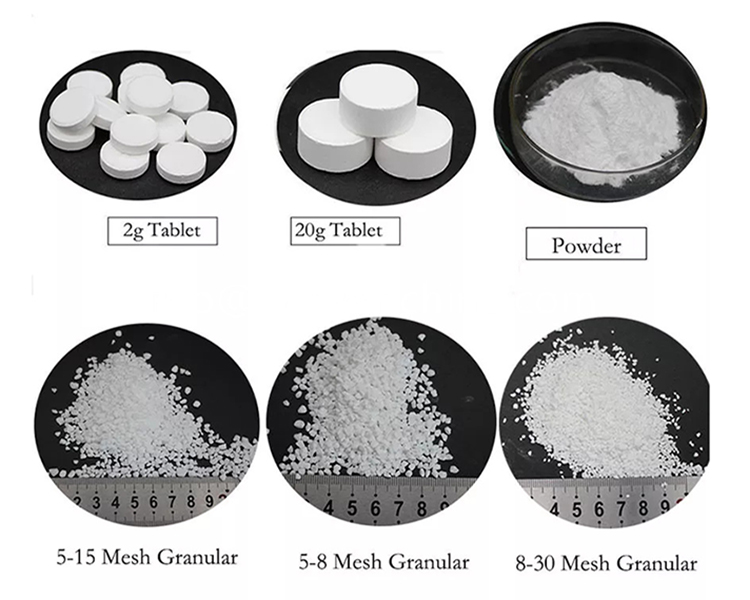
Trichloroisocyanuric Acid (TCCA) is a stable, slow-release chlorine compound widely used for disinfection and sanitization. With a chlorine content typically ranging from 90% to 91%, TCCA provides powerful oxidizing capabilities that effectively eliminate bacteria, viruses, and other microorganisms from water systems. Its solid form—available in tablets, granules, or powder—makes it ideal for bulk procurement and controlled dosing in industrial settings.
Why Pharma Factories Choose Bulk TCCA
Pharmaceutical manufacturing facilities operate under strict Good Manufacturing Practice (GMP) guidelines. Water used in production, cleaning, and facility sanitation must meet precise microbiological and chemical specifications. Bulk TCCA offers several advantages:
- High Chlorine Efficiency: Delivers consistent disinfection with minimal dosage
- Extended Shelf Life: Stable under proper storage conditions, reducing waste
- Cost-Effective Procurement: Bulk purchasing lowers per-unit costs for large facilities
- Flexible Application: Suitable for cooling towers, process water, and wastewater treatment
Key Applications of Bulk TCCA in Pharma Facilities
Cooling Tower Water Treatment
Cooling systems in pharmaceutical plants are vulnerable to microbial growth, including Legionella and biofilm formation. Bulk TCCA provides sustained chlorine release that maintains residual disinfectant levels, preventing contamination while minimizing chemical handling frequency.
Process Water Disinfection
Non-purified water streams used in equipment cleaning, floor washing, and auxiliary processes require reliable disinfection. TCCA’s slow-dissolving properties ensure continuous protection without the need for complex dosing equipment.
Wastewater Treatment Compliance
Pharmaceutical factories must treat effluent before discharge to meet environmental regulations. TCCA aids in reducing biological oxygen demand (BOD) and eliminating pathogens, ensuring compliance with local wastewater standards.
Procurement Considerations for Bulk TCCA
Quality Certification Requirements
When sourcing bulk TCCA, pharma factories should verify supplier credentials. Look for manufacturers with ISO 9001 certification, REACH compliance, and documented quality control procedures. Certificate of Analysis (CoA) for each batch is essential for traceability and audit purposes.
Storage and Handling Best Practices
TCCA must be stored in cool, dry, well-ventilated areas away from incompatible materials such as acids, ammonia, and organic compounds. Proper packaging—typically 25kg drums or 1000kg IBC containers—ensures safe transport and minimizes exposure risks during handling.
Dosage Optimization Strategies
Over-dosing increases operational costs and may lead to excessive chlorinated byproducts. Under-dosing compromises disinfection efficacy. Facility engineers should conduct regular water quality testing to determine optimal dosage rates based on flow volume, contamination levels, and retention time.
Solving Common Water Treatment Challenges
Challenge 1: Inconsistent Disinfection Performance
Solution: Implement automated dosing systems calibrated for TCCA dissolution rates. Combine with real-time chlorine residual monitoring to maintain target levels between 0.5 to 2.0 ppm depending on application.
Challenge 2: Supply Chain Reliability
Solution: Partner with established chemical suppliers who maintain strategic inventory levels and offer flexible delivery schedules. Bulk contracts with guaranteed supply terms reduce production disruption risks.
Challenge 3: Regulatory Documentation
Solution: Request comprehensive documentation packages including Safety Data Sheets (SDS), regulatory compliance certificates, and batch-specific test reports. This streamlines internal audits and regulatory inspections.
Environmental and Safety Considerations
TCCA is classified as an oxidizing agent and requires careful handling. Personnel should receive proper training on chemical safety, emergency response procedures, and personal protective equipment (PPE) requirements. From an environmental perspective, TCCA breaks down into cyanuric acid and chloride ions, which are manageable within standard wastewater treatment protocols when used at recommended concentrations.
Facilities should implement spill containment measures and maintain emergency neutralization agents on-site. Regular safety audits and staff training programs ensure ongoing compliance with occupational health and safety regulations.
Conclusion
Bulk TCCA represents a strategic solution for pharmaceutical factories seeking reliable, cost-effective water treatment. Its high chlorine content, stability, and versatile application make it well-suited for cooling systems, process water, and wastewater management. By partnering with qualified suppliers and implementing proper handling protocols, pharma facilities can achieve consistent water quality while optimizing operational expenses.
For procurement teams evaluating water treatment chemicals, bulk TCCA offers a balance of performance, compliance, and value. Request detailed specifications and sample testing from trusted manufacturers to determine the optimal fit for your facility’s requirements.
Frequently Asked Questions (FAQ)
Q1: What is the typical chlorine content of bulk TCCA for industrial use?
A: Industrial-grade TCCA typically contains 90% to 91% available chlorine, making it one of the most concentrated solid chlorine sources available for water treatment applications.
Q2: How long does bulk TCCA remain effective during storage?
A: When stored in original packaging under cool, dry conditions away from direct sunlight, TCCA maintains its efficacy for 12 to 24 months. Regular quality testing is recommended for inventory older than 18 months.
Q3: Can TCCA be used in purified water systems for pharmaceutical production?
A: TCCA is generally not recommended for Water for Injection (WFI) or Purified Water systems that contact final products. It is best suited for utility water, cooling systems, and non-product contact applications.
Q4: What packaging options are available for bulk TCCA procurement?
A: Common bulk packaging includes 25kg plastic drums, 50kg fiber drums, and 1000kg IBC containers. Custom packaging can be arranged based on facility handling capabilities and order volume.
Q5: How do I verify supplier quality for bulk TCCA purchases?
A: Request ISO certifications, REACH compliance documentation, batch-specific Certificates of Analysis, and references from other pharmaceutical clients. Third-party audit reports add additional assurance.
Q6: What is the lead time for bulk TCCA orders?
A: Standard lead times range from 2 to 4 weeks depending on order volume, customization requirements, and shipping destination. Expedited options may be available for urgent needs.
Learn more about our water treatment solutions and request a quote
