
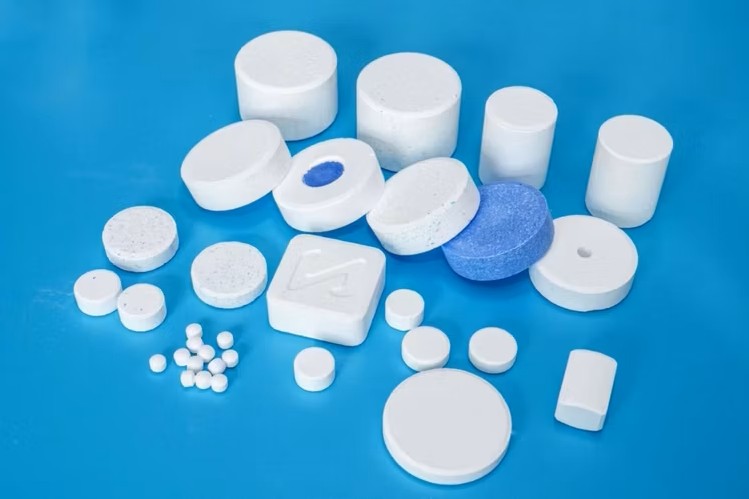
# Calcium Hypochlorite Bulk for Municipal Water Plants: Plant Reliable Essentials Shock
Introduction
Having spent over fifteen years in the water treatment chemical industry, I’ve witnessed firsthand how critical proper disinfection protocols are for municipal water facilities. When it comes to maintaining safe drinking water standards, calcium hypochlorite bulk remains one of the most reliable solutions available today. This comprehensive guide will walk you through everything you need to know about sourcing, handling, and implementing calcium hypochlorite in your municipal water treatment operations.
Municipal water plants face constant pressure to deliver clean, safe water while managing costs and regulatory compliance. The right disinfection strategy can make all the difference between smooth operations and costly complications. Let’s explore why calcium hypochlorite continues to be the go-to choice for water treatment professionals worldwide.
Understanding Calcium Hypochlorite for Water Treatment
What Makes Calcium Hypochlorite Essential?
Calcium hypochlorite, often referred to as cal-hypo, is a powerful oxidizing agent that serves as an effective disinfectant for water treatment applications. With available chlorine content typically ranging from 65% to 70%, it provides superior sanitization capabilities compared to many alternative solutions.
The compound works by releasing hypochlorous acid when dissolved in water, which effectively destroys harmful microorganisms including bacteria, viruses, and algae. This mechanism makes it particularly valuable for municipal water plants that must meet strict regulatory standards for water quality.
Key Advantages for Municipal Operations
From my experience consulting with numerous water treatment facilities, several advantages stand out:
Long-Term Stability: Unlike liquid chlorine solutions, calcium hypochlorite maintains its potency over extended storage periods when kept properly. This reduces waste and ensures consistent performance.
Cost-Effectiveness: Bulk purchasing options significantly reduce per-unit costs, making it economically viable for large-scale municipal operations.
Ease of Handling: Modern packaging and delivery systems have made handling safer and more efficient than ever before.
Versatile Application: Suitable for various treatment scenarios including primary disinfection, shock treatment, and emergency response situations.
Sourcing Bulk Calcium Hypochlorite: What to Consider
Quality Standards and Certifications
Not all calcium hypochlorite products are created equal. When evaluating suppliers, I always recommend verifying the following:
- NSF/ANSI Standard 60 certification for drinking water treatment chemicals
- ISO 9001 quality management certification
- Third-party testing documentation
- Consistent chlorine content verification
These certifications ensure that the product meets regulatory requirements and performs consistently across batches.
Storage and Safety Requirements
Proper storage is crucial for maintaining product effectiveness and ensuring workplace safety. Calcium hypochlorite should be stored in:
- Cool, dry environments away from direct sunlight
- Well-ventilated areas with temperature control
- Separate locations from organic materials and acids
- Moisture-proof containers with proper labeling
I’ve seen too many facilities compromise on storage conditions, only to face degraded product performance or safety incidents. Don’t let this happen at your plant.
Supply Chain Reliability
Municipal water treatment cannot afford interruptions. When selecting a bulk supplier, consider:
- Production capacity and inventory levels
- Delivery timelines and logistics capabilities
- Emergency supply arrangements
- Geographic proximity to reduce shipping costs and time
A reliable supply chain partner becomes an extension of your operations team, not just a vendor.
Implementation Best Practices
Dosage Calculations and Monitoring
Accurate dosing is essential for effective disinfection without over-chlorination. The typical dosage range varies based on:
- Source water quality
- Flow rates
- Temperature conditions
- Specific treatment objectives
Regular monitoring of residual chlorine levels ensures optimal performance while maintaining compliance with regulatory limits. I recommend implementing automated monitoring systems where feasible to reduce human error and maintain consistent records.
Shock Treatment Protocols
Occasional shock treatment becomes necessary when dealing with contamination events or system maintenance. Calcium hypochlorite excels in these scenarios due to its high chlorine concentration and rapid action.
Key considerations for shock treatment include:
- Calculating appropriate dosage based on system volume
- Ensuring proper mixing and distribution
- Monitoring residual levels throughout the treatment period
- Documenting all procedures for regulatory compliance
Integration with Existing Systems
Most municipal water plants already have established treatment protocols. Integrating calcium hypochlorite should complement rather than disrupt existing operations. Work with your supplier to develop transition plans that minimize operational impact.
Common Challenges and Solutions
Addressing Chlorine Taste and Odor Concerns
One frequent concern I encounter involves customer complaints about chlorine taste and odor. This typically results from over-chlorination rather than the chemical itself. Solutions include:
- Optimizing dosage based on actual demand
- Implementing dechlorination stages where appropriate
- Regular calibration of dosing equipment
- Customer communication about water safety standards
Managing Byproduct Formation
Disinfection byproducts (DBPs) represent a legitimate concern for water treatment professionals. Proper management strategies include:
- Maintaining optimal chlorine residuals
- Removing organic precursors before chlorination
- Regular DBP monitoring and testing
- Adjusting treatment protocols based on seasonal variations
Emergency Response Preparedness
Unexpected contamination events require rapid response capabilities. Maintain emergency stockpiles of calcium hypochlorite and develop clear response protocols. Your supplier should be able to support emergency delivery arrangements when needed.
Cost Optimization Strategies
Bulk Purchasing Benefits
Purchasing calcium hypochlorite in bulk quantities offers significant cost advantages:
- Reduced per-unit pricing
- Lower shipping costs per ton
- Reduced ordering frequency
- Better inventory planning
However, balance cost savings with storage capacity and product shelf life considerations.
Total Cost of Ownership Analysis
Look beyond purchase price when evaluating suppliers. Consider:
- Product consistency and performance
- Technical support availability
- Delivery reliability
- Safety training resources
- Documentation and compliance support
The lowest price option often becomes the most expensive when factoring in operational complications.
Future Trends in Water Disinfection
The water treatment industry continues evolving with new technologies and regulatory requirements. While calcium hypochlorite remains a cornerstone solution, stay informed about:
- Alternative disinfection methods and their limitations
- Emerging regulatory standards
- Automation and monitoring technology advances
- Sustainability initiatives in chemical manufacturing
A forward-thinking approach ensures your facility remains compliant and efficient for years to come.
Conclusion
Calcium hypochlorite bulk continues to serve as a reliable, cost-effective solution for municipal water treatment plants worldwide. Success depends on selecting quality products, implementing proper handling procedures, and maintaining strong supplier relationships.
Your commitment to water safety directly impacts community health. Make informed decisions about your disinfection strategy, and don’t hesitate to consult with experienced professionals when optimizing your treatment protocols. The investment in proper water treatment pays dividends in public health, regulatory compliance, and operational efficiency.
Frequently Asked Questions
Q: What is the typical shelf life of bulk calcium hypochlorite?
A: When stored properly in cool, dry conditions, calcium hypochlorite maintains effectiveness for 2-3 years. However, I recommend using older inventory first and testing chlorine content periodically for critical applications.
Q: How does calcium hypochlorite compare to sodium hypochlorite for municipal use?
A: Calcium hypochlorite offers higher chlorine concentration, longer shelf life, and easier transportation. Sodium hypochlorite requires more frequent delivery but may suit certain automated dosing systems better.
Q: What safety equipment is required for handling calcium hypochlorite?
A: Minimum requirements include chemical-resistant gloves, eye protection, respiratory protection when handling powder, and proper ventilation. Always follow OSHA guidelines and manufacturer safety data sheets.
Q: Can calcium hypochlorite be used for emergency water treatment?
A: Absolutely. Its stability and high chlorine content make it ideal for emergency response situations. Many municipalities maintain emergency stockpiles specifically for this purpose.
Q: How do I calculate the correct dosage for my water treatment plant?
A: Dosage depends on multiple factors including flow rate, source water quality, and treatment objectives. Work with your supplier’s technical team to develop site-specific calculations and validate through regular testing.
Q: What documentation should I request from my calcium hypochlorite supplier?
A: Request certificates of analysis, NSF certifications, safety data sheets, and batch testing documentation. Maintain these records for regulatory compliance and quality assurance purposes.
Author: Marcus Thornfield
Need expert guidance on calcium hypochlorite sourcing for your municipal water facility? Visit our contact page to connect with our water treatment specialists: https://envochemical.com/contact-us/
