
Calcium Hypochlorite Distributors for Public Maintenance: Essentials Heavy
Introduction
In the realm of public infrastructure maintenance, few chemicals play as critical a role as calcium hypochlorite. This powerful oxidizing agent serves as the backbone of water treatment systems, swimming pool sanitation, and municipal disinfection programs worldwide. For facility managers, public works directors, and procurement specialists, identifying reliable calcium hypochlorite distributors represents a fundamental operational necessity. This comprehensive guide explores the essential considerations when selecting distributors for public maintenance applications, ensuring your organization receives quality products that meet stringent safety and performance standards.
Understanding Calcium Hypochlorite in Public Maintenance Applications
Primary Uses in Municipal Settings
Calcium hypochlorite, chemically represented as Ca(OCl)₂ with CAS number 7778-54-3, delivers exceptional disinfection capabilities through its high available chlorine content. Public maintenance sectors utilize this compound across multiple critical applications:
Drinking Water Treatment: Municipal water facilities depend on calcium hypochlorite for eliminating harmful pathogens, bacteria, and viruses from public water supplies. The compound’s stability and effectiveness make it ideal for large-scale water purification systems serving thousands of residents.
Swimming Pool and Recreation Facility Sanitation: Public pools, water parks, and recreational centers require consistent chlorination to maintain safe swimming conditions. Calcium hypochlorite granules and tablets provide sustained chlorine release, reducing the frequency of chemical applications while maintaining optimal disinfection levels.
Wastewater Treatment: Municipal wastewater facilities employ calcium hypochlorite for final effluent disinfection before environmental discharge, ensuring compliance with environmental protection regulations.
Emergency Water Disinfection: During natural disasters or infrastructure failures, calcium hypochlorite serves as a crucial emergency response tool for rapid water purification when regular treatment systems become compromised.
Available Forms and Concentrations
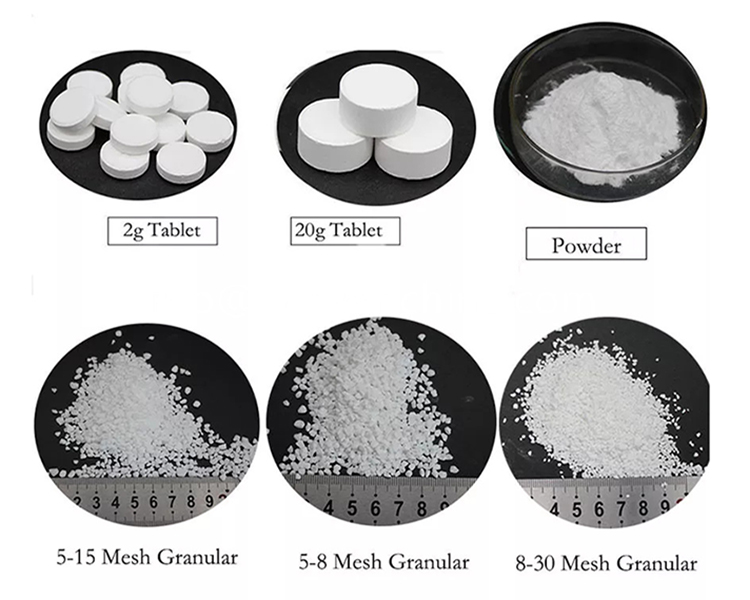
Distributors typically offer calcium hypochlorite in various formulations to accommodate different application requirements:
- Granular Form (65-70% available chlorine): Ideal for large-scale water treatment operations requiring bulk handling
- Tablet Form (20g to 200g): Convenient for swimming pools and smaller treatment facilities
- Technical Grade: Suitable for industrial applications requiring high purity standards
Critical Factors When Selecting Calcium Hypochlorite Distributors
Quality Assurance and Certification Standards
Reputable distributors must demonstrate compliance with international quality standards. When evaluating potential suppliers, verify their adherence to:
- ISO 9001 quality management certification
- Product testing documentation showing available chlorine percentages
- Safety data sheets (SDS) meeting GHS requirements
- Batch traceability systems for quality control
Supply Chain Reliability and Capacity
Public maintenance operations cannot afford supply interruptions. Assess distributor capabilities through:
Production Capacity: Established manufacturers should demonstrate monthly production volumes exceeding 1000 tons to ensure consistent availability during peak demand periods.
Inventory Management: Reliable distributors maintain strategic stockpiles to accommodate emergency orders and seasonal demand fluctuations.
Logistics Network: Evaluate shipping capabilities, port access, and delivery timeframes to your facility location.
Pricing Structure and Payment Terms
Transparent pricing models facilitate accurate budget planning for public sector procurement:
- Bulk purchase discounts for orders exceeding 21 tons
- Flexible payment options including L/C, T/T, and D/P terms
- Clear FOB pricing from major shipping ports
- Volume-based pricing tiers for long-term contracts
Technical Support and Customer Service
Superior distributors provide comprehensive support beyond product delivery:
- Application guidance for optimal dosing calculations
- Safety training for handling and storage procedures
- Emergency response assistance for spill management
- Regular product performance monitoring
Safety Considerations for Public Maintenance Teams
Proper Storage Requirements
Calcium hypochlorite demands careful storage to maintain stability and prevent hazardous conditions:
- Store in cool, dry, well-ventilated areas away from direct sunlight
- Maintain separation from organic materials, acids, and combustible substances
- Use corrosion-resistant containers with tight-sealing lids
- Implement temperature control below 30°C for extended shelf life
Handling Protocols
Personnel handling calcium hypochlorite must follow strict safety procedures:
- Wear appropriate personal protective equipment including eye protection, gloves, and respiratory protection
- Conduct all mixing operations in ventilated areas
- Avoid contact with skin and eyes due to strong irritant properties
- Implement emergency washing stations in storage and handling areas
Regulatory Compliance
Public facilities must adhere to multiple regulatory frameworks:
- EPA guidelines for water treatment applications
- OSHA workplace safety standards
- Local environmental discharge regulations
- Transportation requirements for hazardous materials
Cost-Benefit Analysis for Public Sector Procurement
Long-Term Value Assessment
While initial purchase price matters, comprehensive evaluation should consider:
Product Efficiency: Higher available chlorine percentages reduce overall consumption rates, lowering long-term operational costs.
Shelf Life: Quality calcium hypochlorite maintains effectiveness for 12-24 months when stored properly, reducing waste from degradation.
Labor Costs: Convenient formulations like tablets reduce application time compared to granular products requiring dissolution.
Compliance Costs: Reliable products minimize risk of regulatory violations and associated penalties.
Budget Planning Strategies
Public maintenance departments should implement:
- Annual procurement contracts to lock in favorable pricing
- Seasonal inventory planning for peak usage periods
- Emergency reserve stocks for unexpected demand surges
- Multi-supplier strategies to mitigate supply chain risks
Emerging Trends in Calcium Hypochlorite Distribution
Sustainability Initiatives
Modern distributors increasingly focus on environmental responsibility:
- Eco-friendly packaging solutions reducing plastic waste
- Carbon-neutral shipping options for environmentally conscious buyers
- Recycling programs for empty containers
- Energy-efficient production processes
Digital Integration
Technology enhances distributor-customer relationships:
- Online ordering platforms for streamlined procurement
- Real-time inventory tracking systems
- Automated reordering based on consumption patterns
- Digital documentation for compliance reporting
Conclusion
Selecting the right calcium hypochlorite distributor represents a strategic decision impacting public health, operational efficiency, and regulatory compliance. By prioritizing quality certification, supply reliability, technical support, and safety standards, public maintenance organizations can secure partnerships that deliver consistent value. The essential heavy requirements of municipal applications demand distributors who understand the unique challenges of public sector procurement and can respond effectively to both routine needs and emergency situations.
Invest time in thorough vendor evaluation, request product samples for testing, and establish clear communication channels before committing to long-term contracts. Your choice of calcium hypochlorite distributor ultimately affects the safety and well-being of the communities you serve.
Frequently Asked Questions (FAQ)
Q1: What is the typical shelf life of calcium hypochlorite?
A: Properly stored calcium hypochlorite maintains effectiveness for 12-24 months. Storage in cool, dry conditions away from moisture and direct sunlight extends product longevity. Regular testing of available chlorine content helps determine remaining potency.
Q2: How do I calculate proper dosing for municipal water treatment?
A: Dosing depends on water volume, contamination levels, and desired residual chlorine concentration. Professional distributors provide calculation tools and technical support. Generally, 1-3 ppm residual chlorine maintains safe drinking water standards, but specific requirements vary by jurisdiction.
Q3: What certifications should I verify when selecting a distributor?
A: Request ISO 9001 certification, product testing reports from independent laboratories, safety data sheets, and evidence of regulatory compliance in your region. Reputable suppliers willingly provide documentation verifying product quality and manufacturing standards.
Q4: Can calcium hypochlorite be used for emergency water disinfection?
A: Yes, calcium hypochlorite serves as an effective emergency disinfection solution. During infrastructure failures or natural disasters, it provides rapid pathogen elimination. Follow EPA emergency disinfection guidelines for proper concentration and contact time.
Q5: What are the main differences between 65% and 70% available chlorine products?
A: Higher concentration (70%) products deliver more active chlorine per unit weight, reducing storage space and transportation costs. However, they may require more careful handling. Choose based on your application requirements, storage capacity, and handling capabilities.
Q6: How should I handle a calcium hypochlorite spill?
A: Immediately evacuate the area, wear appropriate protective equipment, and contain the spill using non-combustible absorbent materials. Never use organic materials for cleanup. Contact your distributor’s emergency response team for specific guidance and proper disposal procedures.
For more information about calcium hypochlorite solutions for public maintenance applications, visit our contact page to connect with our technical team. https://envochemical.com/contact-us/
