
Calcium Hypochlorite Distributors for Public Maintenance: Heavy Essentials
Introduction
In the realm of public infrastructure maintenance, few chemicals play as critical a role as calcium hypochlorite. This powerful oxidizing agent serves as the backbone of water treatment systems across municipalities, swimming pools, and industrial facilities worldwide. For facility managers, procurement officers, and maintenance directors, securing reliable calcium hypochlorite distributors is not merely a purchasing decision—it is a strategic investment in public health, safety, and operational continuity.
The global demand for calcium hypochlorite continues to surge as urbanization accelerates and water quality standards become increasingly stringent. In 2026, public maintenance departments face unprecedented challenges in balancing cost efficiency with regulatory compliance. This comprehensive guide explores everything B2B buyers need to know about selecting the right calcium hypochlorite suppliers, understanding product specifications, and optimizing procurement strategies for long-term success.
Understanding Calcium Hypochlorite in Public Maintenance Applications
Core Functions and Chemical Properties
Calcium hypochlorite, with the chemical formula Ca(OCl)₂ and CAS number 7778-54-3, stands as one of the most effective disinfectants available for large-scale water treatment operations. Unlike liquid chlorine alternatives, this solid compound offers superior stability, extended shelf life, and easier transportation—making it ideal for municipal storage facilities and remote maintenance sites.
The compound typically contains 65% to 70% available chlorine in granular or tablet form. When dissolved in water, it releases hypochlorous acid, which effectively eliminates bacteria, viruses, algae, and other harmful microorganisms. This disinfection capability makes calcium hypochlorite indispensable for drinking water treatment, swimming pool sanitation, wastewater processing, and emergency water purification scenarios.
Primary Use Cases in Public Infrastructure
Municipal water treatment plants represent the largest consumer segment for calcium hypochlorite distributors. These facilities require consistent, bulk supplies to maintain safe drinking water standards for entire communities. Public swimming pools and recreational water facilities depend on regular calcium hypochlorite applications to meet health department regulations and ensure visitor safety.
Industrial cooling towers, wastewater treatment facilities, and stormwater management systems also rely heavily on this chemical for contamination control. During emergency situations such as natural disasters or water system failures, calcium hypochlorite becomes a critical resource for rapid water purification and disease prevention efforts.
Selecting the Right Calcium Hypochlorite Distributors
Quality Certification and Compliance Standards
When evaluating potential suppliers, B2B buyers must prioritize distributors who maintain rigorous quality control systems. Look for manufacturers holding ISO 9001 certification, which demonstrates commitment to consistent product quality and continuous improvement. Additionally, verify that suppliers comply with relevant environmental and safety regulations in your jurisdiction.
Product documentation should include comprehensive safety data sheets (SDS), certificates of analysis (COA), and batch testing results. Reputable distributors provide transparent information about chlorine content, moisture levels, heavy metal concentrations, and stability characteristics. This documentation proves essential for regulatory audits and liability protection.
Supply Chain Reliability and Capacity
Public maintenance operations cannot afford supply interruptions. Evaluate distributors based on their production capacity, inventory management systems, and logistical capabilities. Leading suppliers maintain multiple production facilities and strategic warehouse locations to ensure uninterrupted delivery even during peak demand periods or regional disruptions.
Consider the distributor’s track record with similar-scale clients. Request references from municipal water authorities or large facility management companies. A reliable partner demonstrates flexibility in order quantities, accommodates emergency requests, and provides advance notice of any potential supply constraints.
Cost Optimization Strategies for Bulk Purchasing
Volume Pricing and Contract Negotiations
Calcium hypochlorite pricing fluctuates based on raw material costs, energy prices, and market demand. B2B buyers can secure favorable terms through long-term supply agreements that guarantee consistent pricing over 12 to 24-month periods. Volume-based discounts typically apply to orders exceeding 20 tons, making consolidated purchasing advantageous for multi-facility organizations.
Explore flexible payment terms such as letters of credit, telegraphic transfers, or documented payment plans. Some distributors offer seasonal pricing adjustments that align with typical consumption patterns, allowing budget-conscious procurement teams to optimize expenditure throughout the fiscal year.
Total Cost of Ownership Considerations
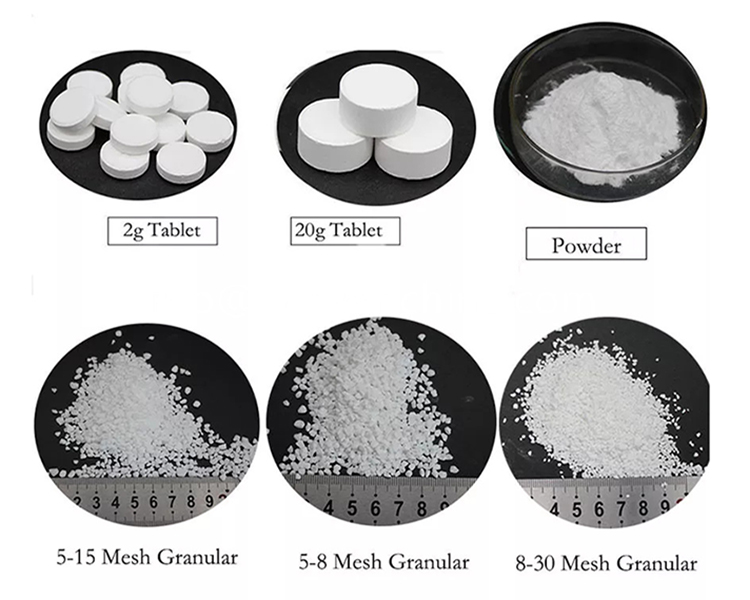
Beyond unit price, evaluate the total cost of ownership including transportation, storage, handling, and disposal expenses. Granular formulations may offer better value for large-scale applications, while tablet forms provide convenience for smaller facilities with limited mixing equipment. Consider packaging options that minimize waste and reduce labor requirements during application.
Invest in proper storage infrastructure to prevent product degradation. Calcium hypochlorite remains stable when kept in cool, dry conditions away from direct sunlight and incompatible materials. Proper storage extends product effectiveness and reduces replacement costs over time.
Safety and Handling Best Practices
Workplace Protection Requirements
Calcium hypochlorite presents specific safety considerations that maintenance teams must address. The compound releases chlorine gas when exposed to moisture, acids, or organic materials. Personnel handling this chemical require appropriate personal protective equipment including chemical-resistant gloves, eye protection, and respiratory protection in confined spaces.
Implement comprehensive training programs covering proper mixing procedures, spill response protocols, and emergency first aid measures. Maintain clearly labeled storage areas with adequate ventilation and separation from incompatible substances such as acids, ammonia, and flammable materials.
Environmental Stewardship and Disposal
Responsible distributors provide guidance on environmentally sound disposal methods for unused product and packaging materials. Follow local regulations regarding wastewater discharge containing chlorine residuals. Many jurisdictions require neutralization before release into municipal sewer systems or natural water bodies.
Partner with suppliers who demonstrate commitment to sustainable manufacturing practices. This includes energy-efficient production processes, minimal waste generation, and recyclable packaging solutions. Environmental responsibility increasingly influences procurement decisions as organizations pursue sustainability goals.
Emerging Trends in Calcium Hypochlorite Distribution
Digital Procurement Platforms
The distribution landscape continues evolving with digital ordering systems, real-time inventory tracking, and automated replenishment capabilities. Forward-thinking distributors offer online portals where buyers can monitor order status, access documentation, and manage account details without traditional paperwork delays.
Integration with facility management software enables predictive ordering based on consumption patterns and seasonal variations. This technology reduces stockouts while minimizing excess inventory carrying costs.
Technical Support and Value-Added Services
Leading distributors differentiate themselves through comprehensive technical support including water quality testing, dosage optimization consulting, and troubleshooting assistance. These services help clients maximize product effectiveness while minimizing chemical consumption and operational costs.
Some suppliers provide on-site training programs for maintenance staff, ensuring proper application techniques and safety protocols. This investment in customer education strengthens long-term partnerships and reduces liability risks associated with improper chemical handling.
Conclusion
Selecting the right calcium hypochlorite distributors represents a critical decision for public maintenance operations. The ideal partner combines product quality, supply reliability, competitive pricing, and exceptional technical support. By thoroughly evaluating potential suppliers against the criteria outlined in this guide, procurement professionals can secure partnerships that deliver consistent value while protecting public health and safety.
As water treatment standards continue evolving and regulatory requirements become more stringent, the importance of reliable calcium hypochlorite supply chains cannot be overstated. Invest time in due diligence now to avoid costly disruptions and compliance issues in the future. Your community’s water quality depends on it.
Frequently Asked Questions
Q1: What is the typical shelf life of calcium hypochlorite?
A: Properly stored calcium hypochlorite maintains effectiveness for 12 to 24 months. Storage in cool, dry conditions away from moisture and direct sunlight maximizes product stability. Regular testing of stored inventory ensures chlorine content remains within specification.
Q2: How do I determine the correct dosage for my application?
A: Dosage requirements vary based on water volume, contamination levels, and treatment objectives. Consult your distributor’s technical team for application-specific recommendations. Water quality testing provides data necessary for precise dosage calculations.
Q3: Can calcium hypochlorite be used for drinking water treatment?
A: Yes, calcium hypochlorite is approved for drinking water disinfection when used according to regulatory guidelines. Ensure product meets NSF/ANSI Standard 60 or equivalent certification for potable water applications.
Q4: What packaging options are available for bulk orders?
A: Common packaging includes 25kg drums, 50kg bags, and 1000kg bulk containers. Custom packaging solutions may be available for specific operational requirements. Discuss options with your distributor during procurement negotiations.
Q5: How quickly can distributors deliver emergency orders?
A: Response times vary by supplier and location. Established distributors typically maintain emergency stock and can deliver within 24 to 72 hours for urgent requirements. Confirm emergency delivery capabilities during supplier evaluation.
Q6: Are there alternatives to calcium hypochlorite for public maintenance?
A: Alternatives include sodium hypochlorite, chlorine gas, and chlorinated isocyanurates. Each option presents different advantages regarding cost, safety, storage, and application methods. Calcium hypochlorite remains preferred for many applications due to stability and handling characteristics.
Ready to optimize your calcium hypochlorite procurement strategy? Visit our contact page to connect with our technical sales team and request a customized quote for your facility’s specific requirements. https://envochemical.com/contact-us/
