
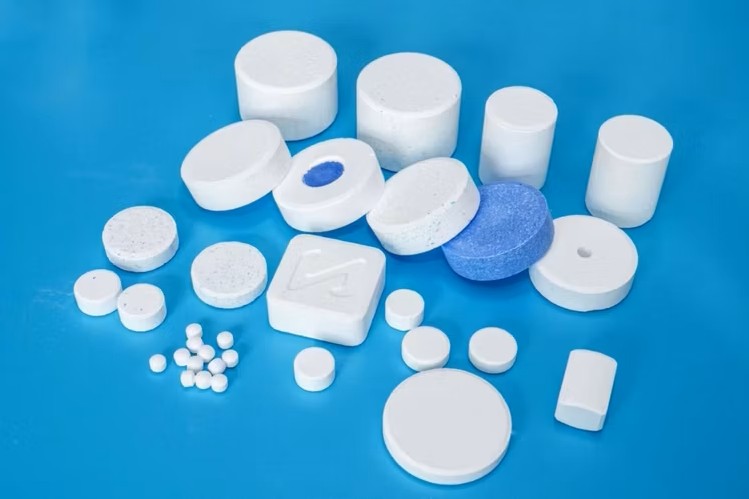
Calcium Hypochlorite Dosage Guidelines for Municipal Drinking Water Disinfection
Introduction
Municipal drinking water disinfection is a critical public health measure to eliminate pathogens and ensure safe water consumption. Calcium hypochlorite (Ca(OCl)₂), a stable, high-chlorine-content compound (65-75% available chlorine), serves as a cost-effective and reliable disinfectant for municipal water treatment systems. Proper dosage application is essential to achieve effective microbial control while maintaining regulatory compliance and operational efficiency. This guide provides practical dosage recommendations for municipal drinking water disinfection applications.
Understanding Calcium Hypochlorite in Water Treatment
Calcium hypochlorite is widely preferred for municipal water disinfection due to its:
- High available chlorine content
- Ease of handling and storage compared to gaseous chlorine
- Effective broad-spectrum pathogen elimination
- Compatibility with existing treatment infrastructure
Key Factors Influencing Dosage Selection
Optimal calcium hypochlorite dosage depends on several critical parameters:
Water Quality Parameters
- Turbidity: Higher turbidity increases chlorine demand (typically 0.5-1.0 mg/L more per NTU)
- pH: Optimal disinfection occurs at pH 6.5-7.5; dosage may increase at higher pH
- Organic content: Dissolved organic matter consumes chlorine (measured as chlorine demand)
System Requirements
- Target residual chlorine: 0.2-0.5 mg/L for distribution systems
- Contact time: Minimum 30 minutes for effective disinfection
- Seasonal variations: Higher temperatures increase chlorine decay rates
Standard Dosage Guidelines
General dosage recommendations for municipal drinking water systems:
| Application Stage | Typical Dosage (mg/L) | Purpose |
|---|---|---|
| Primary Disinfection | 1.0-2.5 | Eliminate pathogens at treatment plant |
| Pre-chlorination | 0.5-1.0 | Control algae and organic matter |
| Post-chlorination | 0.2-0.5 | Maintain residual throughout distribution network |
Note: These are general guidelines. Actual dosing requires site-specific jar testing and pilot studies to account for local water characteristics.
Safety and Handling Best Practices
- Storage: Keep in cool, dry, well-ventilated areas (max 30°C) away from acids and flammables
- Handling: Use PPE (gloves, goggles, respirator) during transfer
- Compatibility: Never mix with acids (releases toxic chlorine gas)
- Regulatory Compliance: Adhere to local regulations for transportation and storage
Frequently Asked Questions (FAQ)
Q1: What is the recommended residual chlorine level for municipal drinking water?
A: The US EPA requires a minimum of 0.2 mg/L residual chlorine throughout the distribution system, with typical target levels at 0.5 mg/L.
Q2: How do I calculate calcium hypochlorite dosage for my water system?
A: Use the formula: Dosage (mg/L) = (Chlorine demand mg/L × Water flow rate m³/day) ÷ (Available chlorine % × 10,000). Always verify with jar testing.
Q3: Can calcium hypochlorite be used for both surface and groundwater treatment?
A: Yes, it’s effective for both sources. Surface water typically requires higher dosage due to greater organic content.
Q4: What are common mistakes in calcium hypochlorite dosing?
A: Overlooking seasonal variations, failing to account for chlorine demand, and improper storage leading to degradation.
Q5: How does calcium hypochlorite compare to sodium hypochlorite for municipal disinfection?
A: Calcium hypochlorite offers higher chlorine content (65-75% vs. 10-15%), longer shelf life, and easier handling in solid form, though it requires more careful dissolution.
Q6: What is the typical shelf life of calcium hypochlorite?
A: When stored properly (below 30°C, dry conditions), it maintains effectiveness for 12-18 months.
ENVO CHEMICAL: Your Trusted Water Treatment Partner
ENVO CHEMICAL delivers premium calcium hypochlorite and comprehensive water treatment solutions designed specifically for municipal drinking water systems. Our products undergo rigorous quality control to ensure consistent chlorine content and performance. With expertise in water chemistry and disinfection optimization, we provide:
- Customized dosage calculations based on your water quality data
- Technical support for system integration
- Consistent product quality and supply chain reliability
- Compliance with international water safety standards
Our team of water treatment specialists works collaboratively with municipal facilities to implement efficient disinfection processes that protect public health while optimizing operational costs. For a tailored solution and detailed dosage assessment for your municipal water system, visit our contact page at https://envochemical.com/contact-us/ to connect with our water treatment experts.
