
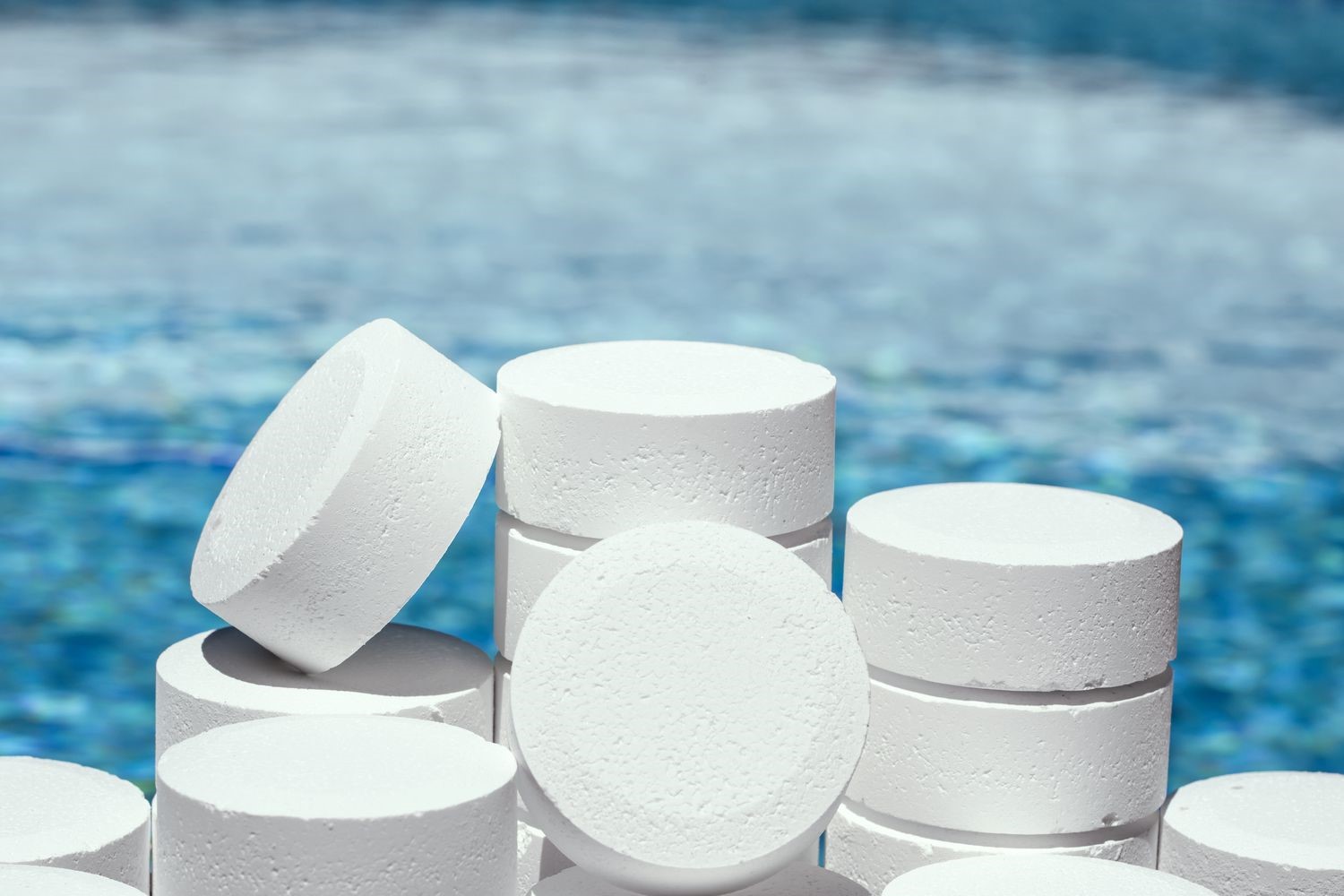
Calcium Hypochlorite Exporters for Swimming Pools: Deals Tablets
Introduction
In the global water treatment industry, calcium hypochlorite tablets remain the cornerstone of swimming pool sanitation. As we move through 2026, B2B buyers face increasing challenges in sourcing reliable, cost-effective disinfectant solutions from trustworthy exporters. This comprehensive guide explores the current landscape of calcium hypochlorite tablet exports, helping procurement managers, pool maintenance companies, and chemical distributors make informed decisions when partnering with suppliers.
Understanding the complexities of international trade regulations, quality certifications, and pricing structures is essential for businesses seeking long-term partnerships with calcium hypochlorite exporters. Whether you operate a chain of aquatic facilities, distribute pool chemicals regionally, or manage municipal water treatment programs, finding the right supplier can significantly impact your operational efficiency and bottom line.
Understanding Calcium Hypochlorite Tablets for Pool Disinfection
Chemical Properties and Effectiveness
Calcium hypochlorite, commonly known as cal-hypo or HTH (High Test Hypochlorite), is a powerful oxidizing agent widely used for swimming pool sanitation. The compound typically contains 65-70% available chlorine, making it significantly more concentrated than liquid bleach alternatives. When dissolved in water, calcium hypochlorite releases hypochlorous acid, which effectively eliminates bacteria, viruses, algae, and other organic contaminants.
The tablet form offers distinct advantages for commercial applications. Slow-dissolving formulations provide consistent chlorine release over extended periods, reducing the frequency of manual dosing. This characteristic makes calcium hypochlorite tablets particularly suitable for large-scale swimming pools, water parks, and municipal aquatic centers where maintaining stable chlorine levels is critical for public health compliance.
Industry Standards and Certifications
Reputable calcium hypochlorite exporters must comply with international quality standards including ISO 9001 certification, REACH regulations for European markets, and EPA registration for North American distribution. Additionally, products intended for swimming pool use should meet NSF/ANSI Standard 60 for drinking water treatment chemicals, ensuring safety for human exposure.
Buyers should verify that suppliers provide comprehensive documentation including Safety Data Sheets (SDS), Certificates of Analysis (COA), and batch-specific testing results. These documents confirm product purity, stability, and compliance with regional regulatory requirements.
Global Export Market Dynamics in 2026
Trade Regulations and Tariff Considerations
The international calcium hypochlorite trade landscape has evolved significantly following recent anti-dumping and countervailing duty determinations. As of early 2026, certain markets maintain elevated tariff structures on imports from specific countries. B2B purchasers must factor these considerations into their sourcing strategies, as duty rates can substantially affect landed costs.
Smart procurement teams diversify their supplier base across multiple geographic regions to mitigate trade risk. Southeast Asian manufacturing hubs have emerged as alternative sourcing destinations, offering competitive pricing while navigating complex tariff schedules more effectively than direct shipments from traditional production centers.
Regional Supply Chain Advantages
Different exporting regions offer distinct advantages depending on your destination market. Suppliers with established logistics networks in your target region can reduce shipping times from weeks to days, minimizing inventory holding costs and ensuring product availability during peak swimming seasons.
Exporters with multiple production facilities demonstrate greater supply chain resilience, reducing the risk of disruptions from localized events such as port congestion, labor disputes, or regulatory changes. When evaluating potential partners, inquire about their contingency planning and backup manufacturing capabilities.
Key Factors When Selecting Calcium Hypochlorite Exporters
Quality Control and Manufacturing Capabilities
Leading calcium hypochlorite exporters invest heavily in automated production lines that ensure consistent tablet density, dissolution rates, and chlorine content. Advanced manufacturing facilities implement real-time quality monitoring systems that detect deviations immediately, preventing substandard products from reaching customers.
Request information about the supplier’s production capacity, lead times, and ability to scale orders based on seasonal demand fluctuations. Reliable exporters maintain adequate inventory buffers to accommodate urgent orders without compromising quality or delivery schedules.
Packaging and Stability Considerations
Calcium hypochlorite tablets require specialized packaging to maintain stability during international transit. High-quality exporters use moisture-resistant containers with proper ventilation to prevent degradation from humidity exposure. Common packaging options include 5kg, 25kg, and 50kg plastic drums, with custom labeling available for private label distributors.
Proper packaging directly impacts product shelf life, which typically ranges from 12 to 24 months when stored under recommended conditions. Verify that your supplier follows international dangerous goods transportation regulations for hazardous chemicals, ensuring safe and compliant delivery to your facility.
Pricing Structures and Volume Discounts
Transparent pricing models distinguish professional calcium hypochlorite exporters from less reliable suppliers. Expect detailed quotations that break down product costs, packaging fees, freight charges, and any applicable duties. Reputable exporters offer volume-based pricing tiers that reward larger orders with meaningful discounts.
Consider total cost of ownership rather than unit price alone. Factors such as product concentration, dissolution efficiency, and residual stability affect how much chemical you actually need to maintain target chlorine levels. Higher-quality tablets may command premium pricing but deliver superior value through reduced consumption rates and fewer quality complaints from end users.
Building Long-Term Partnerships with Exporters
Communication and Technical Support
Effective B2B relationships extend beyond transactional exchanges. Top-tier calcium hypochlorite exporters provide dedicated account managers who understand your business requirements and can offer technical guidance on product selection, application rates, and troubleshooting common water quality issues.
Establish clear communication protocols covering order confirmation timelines, shipment tracking updates, and dispute resolution procedures. Suppliers who respond promptly to inquiries and proactively address potential issues demonstrate commitment to partnership success.
Sustainability and Environmental Compliance
Modern procurement decisions increasingly factor in environmental responsibility. Forward-thinking exporters implement sustainable manufacturing practices, minimize waste generation, and offer recycling programs for packaging materials. Some suppliers have achieved carbon neutrality certifications, appealing to environmentally conscious buyers and their customers.
Verify that your potential partner complies with environmental regulations in both their production country and your import destination. Documentation of environmental management systems and waste disposal practices reflects operational professionalism and reduces regulatory risk for your organization.
Conclusion
Selecting the right calcium hypochlorite exporter requires careful evaluation of quality standards, trade compliance, logistics capabilities, and partnership potential. By prioritizing suppliers who demonstrate transparency, technical expertise, and commitment to long-term relationships, B2B buyers can secure reliable access to essential pool disinfection products while optimizing total procurement costs.
The global calcium hypochlorite market continues evolving, with new manufacturers entering the space and established exporters expanding their capabilities. Stay informed about industry developments, maintain relationships with multiple qualified suppliers, and regularly review your sourcing strategy to ensure continued access to high-quality swimming pool treatment solutions.
Frequently Asked Questions (FAQ)
Q1: What is the typical shelf life of calcium hypochlorite tablets?
A: Properly stored calcium hypochlorite tablets maintain effectiveness for 12-24 months. Store in cool, dry conditions away from direct sunlight and moisture to maximize shelf life.
Q2: How do I verify the quality of calcium hypochlorite from a new exporter?
A: Request third-party laboratory test reports, Certificates of Analysis, and samples for independent testing before placing large orders. Reputable exporters welcome quality verification requests.
Q3: What certifications should calcium hypochlorite exporters possess?
A: Look for ISO 9001 quality management certification, NSF/ANSI Standard 60 compliance for pool applications, and regional regulatory registrations such as EPA or REACH depending on your market.
Q4: Can calcium hypochlorite tablets be customized for private labeling?
A: Most established exporters offer private label services including custom packaging, branding, and tablet specifications. Minimum order quantities typically apply for customized products.
Q5: How do trade tariffs affect calcium hypochlorite import costs?
A: Tariff rates vary significantly by country of origin and destination. Work with exporters who can provide landed cost calculations including all duties, taxes, and freight charges for accurate budgeting.
Ready to explore calcium hypochlorite tablet sourcing options? Connect with qualified exporters who understand your business needs and can deliver consistent quality at competitive prices.
