
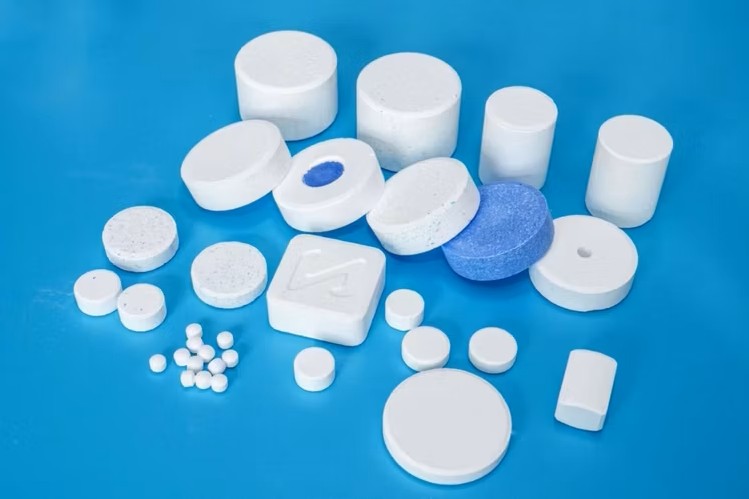
Calcium Hypochlorite for Laboratories: Lab Water Purification
Author: Dr. Marcus Thornton
Introduction
In my twenty years of working with water treatment chemicals across pharmaceutical, research, and industrial laboratories, I have witnessed firsthand how critical water quality is to experimental integrity. Nothing undermines months of research faster than contaminated water supplies. Among the various disinfection solutions available, calcium hypochlorite stands out as a reliable, cost-effective option for laboratory water purification systems.
This article addresses the specific challenges B2B buyers face when selecting disinfection chemicals for lab water treatment. Whether you manage a pharmaceutical testing facility, a university research center, or an industrial quality control laboratory, understanding how calcium hypochlorite functions in water purification can help you make informed procurement decisions that protect both your research outcomes and your budget.
Why Calcium Hypochlorite Matters for Laboratory Water Systems
The Critical Role of Water Purity in Research
Laboratory water is not merely a solvent; it is a fundamental reagent that directly influences analytical accuracy. According to ASTM and ISO standards, different laboratory applications require specific water grades ranging from Type I ultrapure water for sensitive instrumentation to Type III water for general washing purposes.
The challenge lies in maintaining consistent microbial control throughout the purification process. Even trace bacterial contamination can produce endotoxins that interfere with cell culture work, molecular biology assays, and chromatographic analysis. This is where effective disinfection becomes non-negotiable.
Calcium Hypochlorite vs. Alternative Disinfectants
Having evaluated numerous disinfection options throughout my career, I can confidently state that calcium hypochlorite offers distinct advantages for laboratory applications:
Superior Stability: Unlike sodium hypochlorite solutions that degrade rapidly under storage, calcium hypochlorite maintains its available chlorine content for extended periods when properly stored. This stability translates to consistent dosing and predictable disinfection performance.
Higher Available Chlorine Content: Premium-grade calcium hypochlorite typically contains 65-70% available chlorine, compared to 10-15% in liquid bleach solutions. This concentration efficiency reduces storage space requirements and shipping costs—critical considerations for bulk procurement.
Cost Effectiveness: For facilities processing thousands of liters daily, the per-unit disinfection cost of calcium hypochlorite significantly undercuts alternative oxidizing agents while delivering equivalent microbial reduction.
Technical Specifications for Laboratory-Grade Calcium Hypochlorite
Purity Requirements
Not all calcium hypochlorite products meet laboratory standards. When sourcing materials for lab water purification, specify the following parameters:
| Specification | Minimum Requirement |
|---|---|
| Available Chlorine | 65% |
| Moisture Content | ≤5% |
| Heavy Metals | ≤10 ppm |
| Insoluble Matter | ≤1% |
| Particle Size | 200-800 mesh |
These specifications ensure minimal introduction of contaminants that could compromise water quality downstream. I recommend requesting certificates of analysis from suppliers before committing to large-volume purchases.
Storage and Handling Considerations
Proper storage directly impacts product performance and workplace safety. Based on my field observations, facilities that follow these guidelines experience fewer quality issues:
- Store in cool, dry, well-ventilated areas away from direct sunlight
- Maintain temperature below 30°C (86°F)
- Keep containers tightly sealed to prevent moisture absorption
- Separate from organic materials, acids, and reducing agents
- Implement first-in-first-out inventory rotation
Implementation Strategies for Lab Water Treatment
Dosage Calculations for Optimal Disinfection
Determining the correct calcium hypochlorite dosage requires understanding your specific water quality parameters. Here is my recommended approach:
- Test incoming water for total organic carbon, turbidity, and existing microbial load
- Calculate chlorine demand based on water volume and contamination levels
- Apply residual chlorine monitoring to verify adequate disinfection without over-treatment
- Adjust dosing according to seasonal variations in source water quality
For typical laboratory pre-treatment systems, a residual chlorine concentration of 0.5-1.0 ppm provides effective microbial control while remaining compatible with downstream purification stages such as activated carbon filtration and reverse osmosis.
Integration with Multi-Stage Purification Systems
Modern laboratory water systems employ multiple treatment stages. Calcium hypochlorite typically functions in the pre-treatment phase, working alongside:
- Media filtration for particulate removal
- Activated carbon for chlorine removal and organic compound adsorption
- Reverse osmosis for dissolved solids reduction
- UV sterilization for final microbial inactivation
- Ion exchange for resistivity enhancement
Understanding where calcium hypochlorite fits within your specific system architecture helps optimize both performance and operational costs.
Safety and Compliance Considerations
Regulatory Requirements
Laboratory facilities must comply with multiple regulatory frameworks when handling disinfection chemicals. Key considerations include:
- OSHA hazard communication standards for chemical labeling and safety data sheets
- EPA guidelines for wastewater discharge containing chlorine residuals
- Local fire codes regarding oxidizer storage quantities
- ISO 14001 environmental management requirements
I strongly advise maintaining comprehensive documentation for all chemical procurement, usage, and disposal activities. This documentation proves invaluable during regulatory audits and insurance assessments.
Personnel Protection Protocols
Calcium hypochlorite is a strong oxidizer that requires appropriate handling precautions. My recommended safety measures include:
- Chemical-resistant gloves and eye protection during handling
- Dust masks or respirators when working with powdered formulations
- Emergency eyewash stations within 10 seconds of handling areas
- Spill containment materials readily accessible
- Regular safety training for all personnel involved in chemical handling
Common Challenges and Solutions
Problem: Inconsistent Disinfection Performance
Root Cause: Variable water quality or improper dosing calculations
Solution: Install automated dosing systems with real-time chlorine monitoring. This approach eliminates human error and maintains consistent residual levels regardless of flow rate fluctuations.
Problem: Premature Product Degradation
Root Cause: Improper storage conditions or extended inventory holding
Solution: Implement strict inventory rotation and environmental monitoring in storage areas. Consider purchasing smaller quantities more frequently rather than bulk storage that extends beyond six months.
Problem: Downstream Equipment Corrosion
Root Cause: Excessive chlorine residuals entering sensitive purification components
Solution: Optimize the balance between disinfection effectiveness and chlorine removal in subsequent treatment stages. Activated carbon filters typically require replacement every 6-12 months depending on chlorine loading.
Frequently Asked Questions
Q1: What is the shelf life of calcium hypochlorite for laboratory use?
A: When stored under optimal conditions (cool, dry, sealed containers), calcium hypochlorite maintains effective chlorine content for 2-3 years. However, for critical laboratory applications, I recommend using product within 12 months of manufacture date and verifying available chlorine content before use.
Q2: Can calcium hypochlorite be used directly in ultrapure water systems?
A: No. Calcium hypochlorite serves as a pre-treatment disinfectant for incoming source water. Ultrapure water production requires complete chlorine removal through activated carbon filtration before reverse osmosis and deionization stages. Residual chlorine damages RO membranes and ion exchange resins.
Q3: How do I verify calcium hypochlorite quality upon delivery?
A: Request a certificate of analysis from your supplier confirming available chlorine percentage, moisture content, and heavy metal levels. For critical applications, consider third-party testing to verify specifications match documentation.
Q4: What alternatives exist if calcium hypochlorite is unavailable?
A: Sodium hypochlorite solutions, chlorine dioxide generators, and UV disinfection systems offer viable alternatives. However, each option carries different cost structures, storage requirements, and operational considerations that should be evaluated against your specific facility needs.
Q5: How should calcium hypochlorite waste be disposed of properly?
A: Neutralize residual chlorine with sodium thiosulfate before discharge. Follow local environmental regulations for wastewater disposal. Never dispose of unused product in regular trash or drain systems without proper neutralization.
Conclusion
Selecting the right disinfection chemical for laboratory water purification requires balancing technical performance, regulatory compliance, and operational economics. Calcium hypochlorite delivers proven effectiveness for facilities seeking reliable microbial control without excessive infrastructure investment.
From my experience consulting with laboratory managers across multiple industries, those who invest time in understanding their specific water quality requirements and system architecture achieve significantly better outcomes than those who simply purchase based on price alone. The upfront effort in specification development and supplier qualification pays dividends in consistent water quality and reduced operational disruptions.
If your facility is evaluating calcium hypochlorite for laboratory water treatment applications, I encourage you to request technical documentation, verify supplier credentials, and consider pilot testing before committing to large-volume procurement. The right partnership with a qualified chemical supplier can transform your water treatment operations from a recurring challenge into a reliable foundation for research excellence.
For additional technical support and product specifications, please visit our contact page to connect with our water treatment specialists.
