
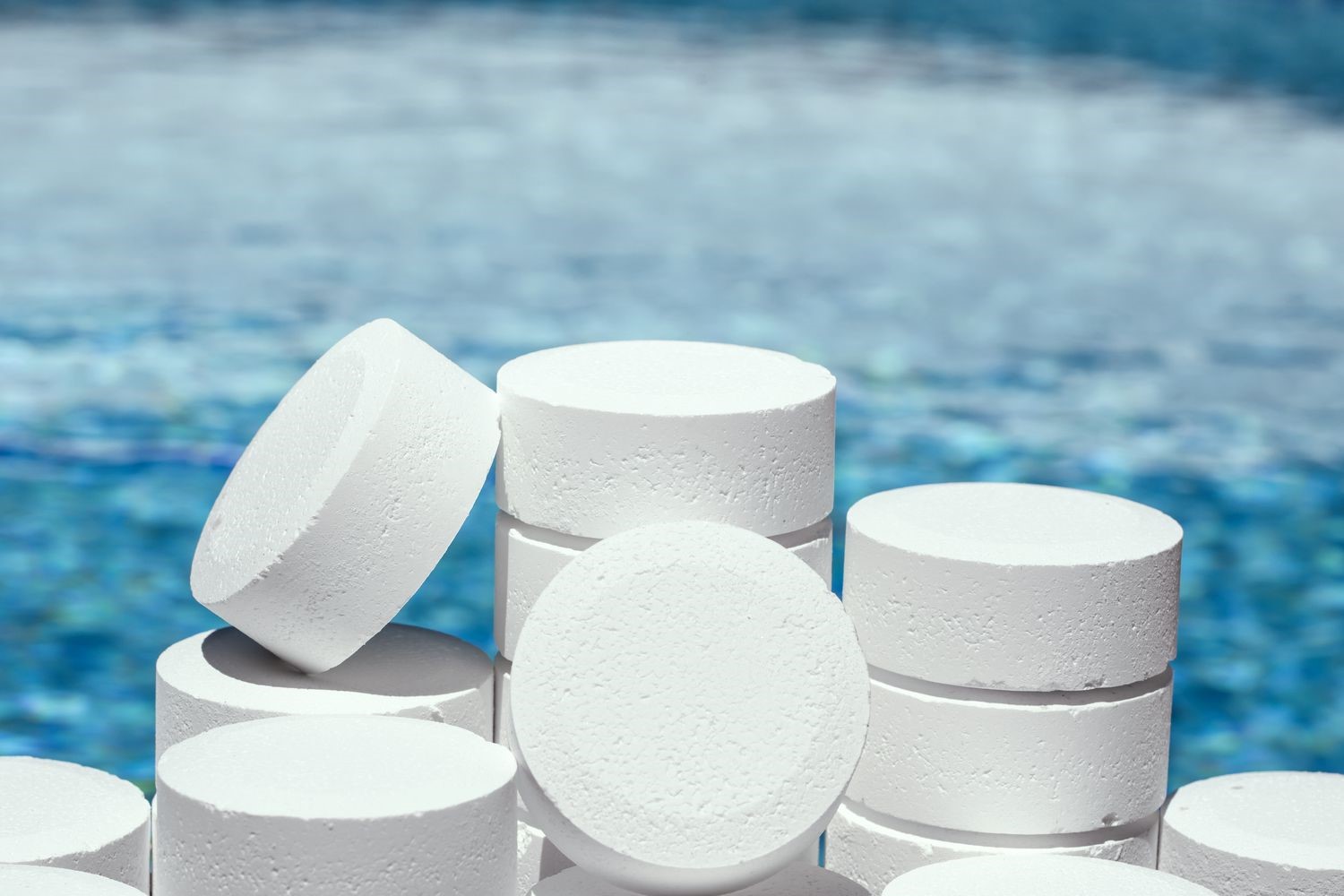
Calcium Hypochlorite for Pharma Factories: Water Lab Pure Compliance
By Dr. Elias Thorne, Senior Pharmaceutical Water Systems Consultant
Water is the lifeblood of any pharmaceutical operation. It is not merely a solvent; it is a critical raw material that directly impacts product safety, efficacy, and regulatory standing. In my twenty years of consulting for pharma factories across Europe and Asia, I have witnessed countless audits where the water system became the bottleneck. Specifically, the choice of disinfectant for pre-treatment and lab pure water compliance often sparks intense debate. Today, I want to cut through the noise and discuss a stalwart of the industry: Calcium Hypochlorite.
The Critical Role of Disinfection in Pharma Water Systems
Let’s be honest: maintaining microbial control in pharmaceutical water systems is a relentless challenge. Biofilms are sneaky. They establish themselves in piping, valves, and storage tanks, often resisting standard flushing protocols. This is where effective oxidation comes into play. While many facilities pivot towards ozone or UV for final polishing, the initial disinfection stage requires robust chemistry.
Calcium Hypochlorite remains a top contender for this role. Why? Because it offers a high available chlorine content, typically around 65-70%, which makes it highly efficient for shock chlorination and continuous dosing in pre-treatment stages. However, efficiency means nothing without compliance. In the pharma sector, “clean” is not enough; it must be “validated clean.”
Navigating the Regulatory Landscape: USP, EP, and GMP
When I walk into a new facility, the first question I ask isn’t about their budget; it’s about their pharmacopoeia alignment. Are you following USP <1231> Water for Pharmaceutical Purposes? Or perhaps the European Pharmacopoeia (EP) guidelines?
The regulations are clear on the outcome: water must meet specific chemical and microbial limits. For Purified Water (PW) and Water for Injection (WFI), the limits on oxidizing agents and residual chlorine are strict. Here lies the nuance with Calcium Hypochlorite. It is exceptionally effective at killing microbes in the feed water, preventing downstream contamination of Reverse Osmosis (RO) membranes. However, residual chlorine must be completely removed before the water enters the final distribution loop.
I’ve seen factories fail audits not because their water was dirty, but because they couldn’t prove the complete removal of disinfectant byproducts. Compliance isn’t just about adding chemicals; it’s about documenting their removal. The USP guidelines emphasize that while disinfectants are necessary for source water control, they must not carry over into the final product water in quantities that affect safety or quality.
Implementation Strategies for Maximum Compliance
So, how do we implement Calcium Hypochlorite without triggering a regulatory red flag? It starts with precise dosing and rigorous monitoring.
1. Controlled Dosing Protocols
Automated dosing systems are non-negotiable. Manual addition introduces variability, and variability is the enemy of validation. You need a system that adjusts based on real-time ORP (Oxidation-Reduction Potential) readings. In my experience, maintaining an ORP level between 250-300 mV in the pre-treatment stage is usually the sweet spot for microbial control without overloading the carbon beds downstream.
2. Validation of Removal
This is the part many engineers overlook. You must validate that your activated carbon filters or sodium bisulfite dosing stages are consistently removing residual chlorine to non-detectable levels. I recommend testing for total chlorine, not just free chlorine, as chloramines can persist and damage downstream ion-exchange resins. Document every spike, every filter change, and every calibration.
3. Material Compatibility
Calcium Hypochlorite is alkaline and oxidative. It can be harsh on certain seals and gaskets. Ensure your storage tanks and piping are made of compatible materials like PVC, CPVC, or specific grades of stainless steel. I once consulted for a plant in Vietnam where premature seal failure led to leaks and a temporary shutdown. A simple material compatibility check could have saved them weeks of downtime.
The Human Element in Water Lab Pure Compliance
Technology is vital, but culture is king. I’ve walked through pristine labs where the water system failed because the operators didn’t understand why they were testing. Training your team on the importance of Calcium Hypochlorite handling and the critical nature of residual testing is part of compliance. When your lab technicians understand that a slight deviation in chlorine levels could compromise an entire batch of injectables, their attention to detail sharpens.
Furthermore, keep your logs impeccable. Auditors love to trace a data point back to its source. If your logbook shows a chlorine spike at 2 AM, there better be a corresponding incident report or adjustment record. Consistency in documentation is often weighed as heavily as consistency in water quality.
Conclusion: Balancing Efficacy and Safety
Calcium Hypochlorite is a powerful tool in the pharmaceutical water engineer’s arsenal. It provides the microbial kill step necessary to protect expensive downstream equipment and ensure source water safety. However, its use demands respect for the regulatory boundaries set by USP, EP, and local GMP authorities.
The key to success lies in a balanced approach: aggressive disinfection followed by meticulous removal and validation. If you can master this cycle, your water lab compliance will stand up to even the toughest inspections. Remember, in pharma, water quality is product quality. Don’t leave it to chance.
If you are looking to optimize your current water treatment protocol or need high-purity Calcium Hypochlorite tailored for pharmaceutical applications, feel free to reach out. We specialize in bridging the gap between chemical efficacy and regulatory compliance.
