
Calcium Hypochlorite for Spas: Options Sanitation
Introduction
In the rapidly evolving water treatment industry, maintaining optimal sanitation standards for spas and recreational water facilities remains a critical priority for business operators worldwide. Calcium hypochlorite has emerged as one of the most reliable and cost-effective disinfection solutions for spa water treatment, offering superior microbial control while ensuring operational efficiency. This comprehensive guide explores the various sanitation options available for spa facilities, with particular focus on calcium hypochlorite applications, helping B2B buyers make informed procurement decisions for their water treatment chemical needs.
Understanding Calcium Hypochlorite in Spa Sanitation
Chemical Properties and Effectiveness
Calcium hypochlorite (Ca(OCl)₂), commonly known as cal-hypo, is a powerful oxidizing agent widely utilized in commercial spa and pool water treatment applications. With an available chlorine content ranging from 65% to 70%, this compound delivers exceptional disinfection capabilities against bacteria, viruses, and algae. The chemical’s high solubility and rapid dissolution rate make it particularly suitable for spa environments where water turnover rates require consistent sanitization.
The compound’s molecular structure enables it to release hypochlorous acid when dissolved in water, which serves as the primary active sanitizing agent. This mechanism ensures thorough microbial elimination while maintaining water clarity and quality standards required by health regulations across different jurisdictions.
Advantages for Commercial Spa Operations
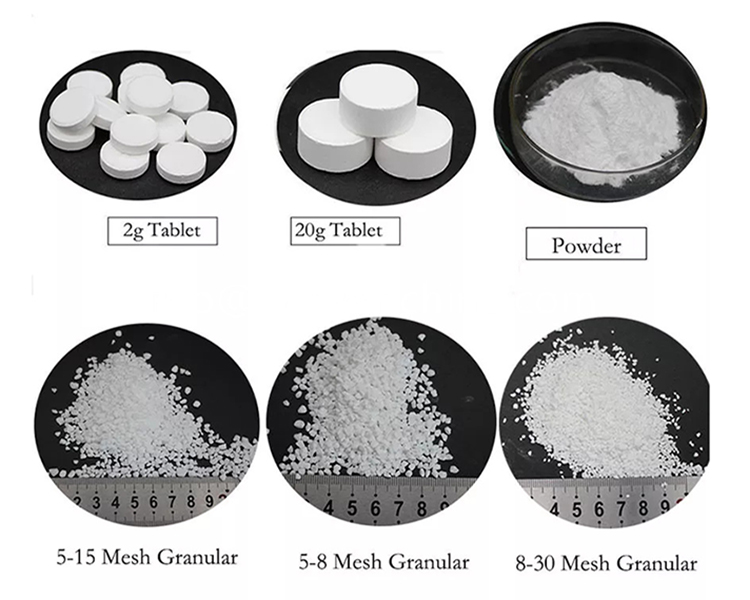
For B2B buyers managing multiple spa facilities or distributing water treatment chemicals, calcium hypochlorite offers several compelling advantages. The product’s extended shelf life reduces inventory management challenges, while its concentrated formulation minimizes storage space requirements. Additionally, the granular and tablet forms provide flexibility in application methods, accommodating various dosing systems and operational preferences.
Cost efficiency represents another significant benefit for bulk purchasers. Compared to alternative sanitizers like sodium hypochlorite or bromine-based products, calcium hypochlorite delivers superior value per unit of available chlorine, making it an economically sound choice for large-scale operations and wholesale distributors.
Sanitation Options for Spa Water Treatment
Primary Disinfection Methods
Spa operators typically evaluate multiple sanitation approaches when establishing their water treatment protocols. Chlorine-based systems remain the industry standard, with calcium hypochlorite representing a preferred choice among professional facility managers. Alternative options include bromine compounds, biguanide systems, and mineral-based sanitizers, each presenting distinct advantages and limitations.
When comparing calcium hypochlorite against competing products, the superior oxidation-reduction potential becomes evident. This characteristic ensures more effective organic contaminant breakdown, reducing the frequency of shock treatments and maintaining consistent water quality throughout operational cycles.
Secondary Treatment Considerations
Effective spa sanitation extends beyond primary disinfection. Complementary treatments including pH adjusters, algaecides, and clarifiers work synergistically with calcium hypochlorite to optimize water conditions. B2B purchasers should consider comprehensive chemical packages that address all aspects of water balance, ensuring regulatory compliance and customer satisfaction.
Stabilized chlorine products containing cyanuric acid offer enhanced UV protection for outdoor spa installations, though indoor facilities may benefit from unstabilized formulations that prevent chemical buildup. Understanding these distinctions helps procurement specialists select appropriate products for specific application environments.
Bulk Procurement Strategies for B2B Buyers
Supplier Selection Criteria
When sourcing calcium hypochlorite for commercial distribution or facility operations, several factors warrant careful evaluation. Manufacturing certifications including ISO standards and quality management systems indicate reliable production practices. Product consistency across batches ensures predictable performance, reducing operational variables that could impact water treatment outcomes.
Geographic considerations influence shipping costs and delivery timelines. Established suppliers with multiple production facilities can offer more flexible logistics solutions, accommodating urgent orders and seasonal demand fluctuations common in the spa industry.
Quality Assurance and Testing
Reputable manufacturers provide comprehensive product documentation including certificates of analysis, safety data sheets, and regulatory compliance certifications. Third-party testing verification adds an additional layer of confidence for bulk purchasers managing quality control requirements across multiple locations.
Regular product sampling and independent laboratory analysis help maintain quality standards throughout the supply chain. This proactive approach minimizes risks associated with substandard materials that could compromise sanitation effectiveness and potentially create liability issues.
Regulatory Compliance and Safety Considerations
International Standards and Certifications
Calcium hypochlorite products intended for spa applications must meet various regulatory requirements depending on target markets. European EN 15796 standards specify quality parameters for swimming pool water treatment chemicals, while EPA registrations govern product availability in United States markets. B2B buyers operating across multiple regions should verify compliance with all applicable regulations before committing to large-scale purchases.
Proper labeling, packaging, and transportation classifications ensure safe handling throughout the distribution network. Understanding these requirements helps prevent delays and additional costs associated with non-compliant shipments.
Workplace Safety Protocols
Handling calcium hypochlorite requires appropriate safety measures including personal protective equipment, ventilation systems, and emergency response procedures. Training programs for staff members reduce accident risks and demonstrate due diligence in occupational health management.
Storage considerations include temperature control, moisture prevention, and segregation from incompatible materials. Proper warehouse management protects product integrity while maintaining safe working environments for personnel involved in chemical handling operations.
Cost-Benefit Analysis for Commercial Applications
Total Ownership Costs
Evaluating calcium hypochlorite purchases requires analysis beyond initial price points. Factors including dosage rates, frequency of application, and product stability influence overall operational expenses. Higher concentration products may command premium prices but deliver lower cost per treatment cycle when properly managed.
Inventory turnover rates affect capital requirements and storage costs. Just-in-time delivery arrangements with reliable suppliers can optimize cash flow while ensuring adequate stock levels for uninterrupted operations.
Return on Investment Metrics
Facilities implementing optimized calcium hypochlorite sanitation programs typically experience reduced maintenance costs, extended equipment lifespan, and improved customer satisfaction scores. These qualitative benefits translate into measurable financial returns through decreased repair expenses and enhanced reputation driving repeat business.
Wholesale distributors benefit from competitive pricing structures that enable attractive margins while remaining competitive in target markets. Volume-based pricing tiers reward larger commitments, encouraging strategic partnerships between manufacturers and distribution channels.
Frequently Asked Questions
Q1: What concentration of calcium hypochlorite is recommended for spa applications?
A: For most commercial spa operations, 65-70% available chlorine concentration provides optimal balance between effectiveness and handling safety. Higher concentrations may be suitable for specific industrial applications requiring enhanced disinfection power.
Q2: How does calcium hypochlorite compare to sodium hypochlorite for spa sanitation?
A: Calcium hypochlorite offers superior stability, longer shelf life, and higher available chlorine content compared to liquid sodium hypochlorite. This translates to reduced storage requirements and lower transportation costs for bulk purchasers.
Q3: What is the typical shelf life of calcium hypochlorite products?
A: Properly stored calcium hypochlorite maintains effectiveness for 2-3 years from manufacture date. Cool, dry storage conditions away from direct sunlight maximize product longevity and preserve chlorine content.
Q4: Are there environmental considerations when using calcium hypochlorite?
A: Calcium hypochlorite breaks down into naturally occurring compounds including calcium, chloride, and oxygen. Proper dosing prevents excessive chemical discharge, and many formulations meet environmental certification standards for sustainable water treatment.
Q5: How can B2B buyers verify product quality before large-scale procurement?
A: Request sample batches for independent testing, review manufacturer certifications, and check references from existing commercial clients. Reputable suppliers welcome quality verification requests and provide transparent documentation supporting product claims.
For more information about calcium hypochlorite products and customized water treatment solutions for your spa facility or distribution business, visit our contact page to discuss your specific requirements with our technical specialists. https://envochemical.com/contact-us/
