
Calcium Hypochlorite for Spas: Resort Sanitation Bulk Buy
Introduction
Running a resort or spa facility comes with immense responsibility—especially when it concerns guest safety and water quality. Nothing damages your reputation faster than contaminated pools or inadequate sanitation. For hospitality managers and procurement officers, finding a reliable calcium hypochlorite supplier for bulk purchases is not just about cost savings; it’s about ensuring consistent, effective disinfection that protects both guests and your brand.
This guide explores why calcium hypochlorite remains the gold standard for spa and resort water treatment, and how strategic bulk buying can transform your operational efficiency.
Why Calcium Hypochlorite Is Essential for Resort Water Sanitation
Superior Disinfection Power
Calcium hypochlorite delivers high available chlorine content, typically between 65-70%, making it significantly more potent than many alternative sanitizers. For large-scale resort operations with multiple pools, spas, and water features, this concentration ensures rapid pathogen elimination without requiring excessive product volumes.
Long-Term Stability and Storage Benefits
Unlike liquid chlorine solutions that degrade quickly, calcium hypochlorite maintains its effectiveness over extended periods when stored properly. This stability is crucial for resorts in remote locations or those managing seasonal inventory. Bulk purchases reduce the frequency of orders while ensuring you never face critical shortages during peak guest seasons.
Cost-Effective for Large-Scale Operations
Resort sanitation bulk buy strategies can reduce per-unit costs by 30-40% compared to retail purchases. When managing dozens of water features across a property, these savings compound significantly throughout the fiscal year.
Common Pain Points Resort Managers Face
Inconsistent Water Quality Testing
Many facilities struggle with fluctuating chlorine levels that lead to either inadequate sanitation or guest complaints about strong chemical odors. The solution lies in establishing standardized dosing protocols paired with reliable, high-purity calcium hypochlorite from trusted suppliers.
Supply Chain Disruptions
Seasonal demand spikes often coincide with supplier shortages. Forward-thinking procurement teams secure annual contracts with established chemical manufacturers to guarantee consistent delivery schedules regardless of market fluctuations.
Regulatory Compliance Challenges
Health inspectors increasingly demand detailed documentation of water treatment procedures. Working with certified suppliers provides the necessary safety data sheets and compliance certificates that streamline audit processes.
Selecting the Right Bulk Supplier for Your Resort
Quality Certification Matters
Always verify that your calcium hypochlorite supplier holds relevant international certifications. Products should meet NSF/ANSI standards for drinking water treatment and carry proper hazard communication labeling.
Technical Support Availability
The best suppliers offer more than just products—they provide ongoing technical assistance for dosing calculations, emergency response protocols, and staff training programs. This partnership approach minimizes operational risks.
Flexible Delivery Options
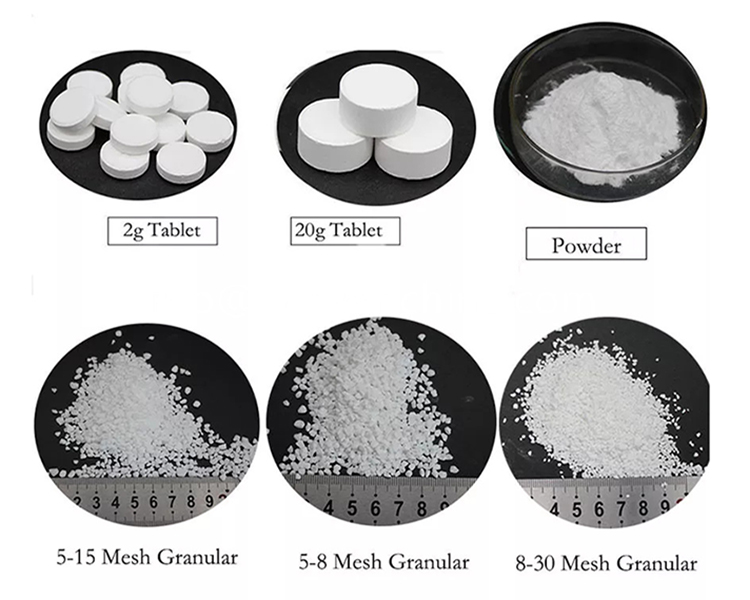
Resorts have unique logistical requirements. Look for suppliers who can accommodate various packaging sizes, from 25kg drums to 1-ton containers, and offer flexible shipping schedules that align with your maintenance cycles.
Implementation Best Practices
Staff Training Programs
Proper handling and storage of calcium hypochlorite requires trained personnel. Invest in comprehensive safety training that covers personal protective equipment, emergency procedures, and correct dosing methodologies.
Automated Dosing Systems
Consider integrating automated chlorination systems that work seamlessly with calcium hypochlorite solutions. These systems maintain consistent chlorine levels while reducing manual labor requirements and human error risks.
Regular Water Testing Protocols
Establish daily testing schedules that monitor free chlorine, pH levels, and total alkalinity. Document all readings to create accountability trails and identify trends before they become problems.
Conclusion
Strategic calcium hypochlorite procurement is more than a purchasing decision—it’s an investment in guest safety, operational efficiency, and brand reputation. By partnering with qualified bulk suppliers and implementing robust water treatment protocols, resort managers can ensure pristine water quality year-round while controlling costs.
The key lies in viewing sanitation as a core operational priority rather than a backend expense. When done correctly, your water treatment program becomes a competitive advantage that guests notice through crystal-clear pools and worry-free swimming experiences.
FAQ
Q: How long does calcium hypochlorite remain effective in storage?
A: When stored in cool, dry conditions away from direct sunlight, calcium hypochlorite maintains potency for 2-3 years. Always check manufacturing dates and rotate inventory using first-in-first-out protocols.
Q: What is the recommended chlorine level for resort spas?
A: Most health authorities recommend maintaining free chlorine levels between 3-5 ppm for spa facilities, compared to 1-3 ppm for standard swimming pools. Higher temperatures in spas require elevated sanitation levels.
Q: Can calcium hypochlorite be used with saltwater pool systems?
A: While technically possible, calcium hypochlorite is generally not recommended for saltwater systems as it can interfere with chlorine generators. Consult your equipment manufacturer before making changes.
Q: How do I calculate bulk order quantities for my resort?
A: Consider your total water volume, daily bather load, and seasonal usage patterns. A professional supplier can help create a customized consumption model that prevents both shortages and waste.
Q: What safety documentation should I request from suppliers?
A: Always obtain Safety Data Sheets (SDS), certificates of analysis, and regulatory compliance documentation. These materials are essential for staff training and health inspector audits.
作者:Dr. Marcus Richardson
