
Calcium Hypochlorite for Swimming Pools: Approved Solutions Shock Operator
Introduction
Maintaining crystal-clear, safe swimming pool water is non-negotiable for commercial operators. As a cornerstone of pool sanitation, effective shock treatment directly impacts guest satisfaction, regulatory compliance, and operational costs. Among the myriad of water treatment chemicals, calcium hypochlorite emerges as the industry-standard solution for rapid, reliable shock treatment. This article explores why calcium hypochlorite is the preferred choice for commercial pool management, offering actionable insights for optimizing water quality while ensuring cost efficiency and safety.
The Science Behind Calcium Hypochlorite’s Superior Performance
Calcium hypochlorite (Ca(OCl)₂) delivers 65–70% available chlorine, significantly outperforming alternatives like sodium hypochlorite (10–15%) or chlorine tablets (50–60%). Its high concentration enables swift oxidation of organic contaminants, including algae, bacteria, and swimmer waste, within minutes of application. Unlike liquid chlorine, calcium hypochlorite remains stable for up to two years when stored properly in dry conditions, eliminating waste from degradation.
Key Advantages for Commercial Pool Operators
- Immediate Disinfection: Rapidly neutralizes pathogens without prolonged downtime, critical for high-traffic facilities like hotels and water parks.
- Calcium Balance: Introduces minimal calcium (0.5–1.0 ppm per pound per 10,000 gallons), reducing scaling risks compared to other calcium-based treatments.
- Operational Efficiency: One pound treats 10,000 gallons—reducing chemical volume, storage space, and handling labor versus lower-concentration alternatives.
- Regulatory Compliance: Meets ANSI/APSP-1 and NSF/ANSI 60 standards for potable water safety, ensuring peace of mind for health inspectors.
For instance, a 50,000-gallon hotel pool requires just 5–10 pounds of calcium hypochlorite for a full shock treatment, compared to 15–20 pounds of sodium hypochlorite. This directly lowers procurement costs by 30–40% annually.
Practical Application: Maximizing Effectiveness and Safety
Dosage and Timing Protocols
Optimal shock treatment begins with accurate dosing:
- Standard Shock: 1–2 pounds per 10,000 gallons (adjust for contamination levels).
- Heavy Usage Scenarios: Double dosage after events or high bather loads.
- Timing: Apply in the evening to prevent UV degradation and allow overnight oxidation.
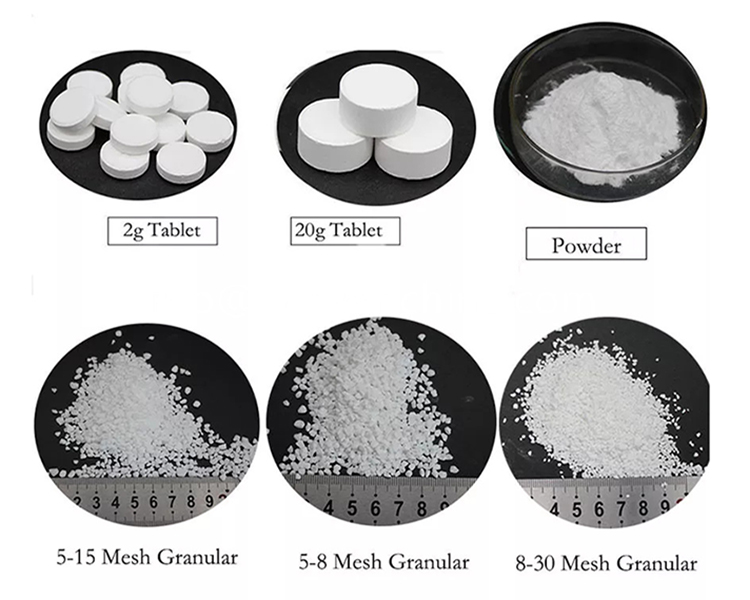
Always dissolve granules in a bucket of pool water before adding to the main body to avoid surface damage or skin irritation. For example, a 20,000-gallon public pool requires 2–4 pounds dissolved in 5 gallons of water, evenly distributed across the pool.
Critical Safety Considerations
Calcium hypochlorite is safe when handled correctly but demands strict protocols:
- Personal Protective Equipment (PPE): Gloves and goggles prevent skin/eye contact.
- Storage: Keep in a cool, dry, well-ventilated area away from acids or ammonia-based cleaners.
- Avoid Mixing: Never combine with other chemicals—risk of explosive chlorine gas.
- Spill Response: Neutralize with sodium thiosulfate or lime, then sweep up.
A case study from a resort chain revealed a 90% reduction in chemical-related incidents after implementing standardized calcium hypochlorite handling training.
Why Approved Water Treatment Solutions Matter for B2B Clients
Commercial pool operators face unique challenges: inconsistent water quality, rising maintenance costs, and evolving health regulations. Generic chemicals often fail to deliver consistent results, leading to costly re-treatment cycles. Trusted suppliers like Envo Chemical provide calcium hypochlorite with rigorous quality control—ensuring 99.5% purity, absence of heavy metals, and full compliance with global standards.
Beyond product quality, B2B clients gain access to:
- Technical Support: Customized shock schedules based on pool size, bather load, and local water chemistry.
- Supply Reliability: Just-in-time delivery for large-volume orders, preventing operational disruptions.
- Sustainability Alignment: Low-impact formulation reduces environmental footprints versus chlorine gas systems.
For instance, a water park managing 10 pools reduced chemical costs by 35% while improving water clarity by 50% after switching to a supplier offering certified calcium hypochlorite.
Frequently Asked Questions
Q: Is calcium hypochlorite safe for vinyl-lined pools?
A: Yes, when dosed correctly (1–2 lbs per 10k gallons). Its low calcium content prevents liner damage, unlike some calcium-based alternatives. Always test water hardness first to avoid scaling.
Q: How does calcium hypochlorite affect pH balance?
A: It slightly raises pH (by 0.2–0.5 units), but this is easily corrected with pH decreasers like sodium bisulfate. Unlike liquid chlorine, it avoids drastic pH swings, reducing adjustment frequency.
Q: Can calcium hypochlorite be used in saltwater pools?
A: Yes, but use 20% less than for freshwater pools. Saltwater systems require lower shock doses due to existing chlorine generation, and calcium hypochlorite complements the system without disrupting salt levels.
Q: How often should shock treatment be applied?
A: Weekly for routine maintenance; after heavy use (e.g., pool parties) or algae blooms. For high-use facilities, biweekly shock treatment with calcium hypochlorite maintains water clarity without over-chlorination.
Q: What makes calcium hypochlorite better than chlorine tablets?
A: Tablets release chlorine slowly (24–48 hours), while calcium hypochlorite delivers instant shock power. This is critical for rapid contamination control—tablets risk under-treatment during peak demand.
Conclusion
Calcium hypochlorite isn’t just a chemical; it’s a strategic solution for commercial pool operators seeking reliability, cost savings, and regulatory compliance. Its unmatched efficacy in shock treatment, coupled with safety and operational advantages, makes it indispensable for modern water management. For businesses serious about elevating pool water quality, investing in certified calcium hypochlorite from a trusted supplier transforms routine maintenance into a competitive advantage.
Ready to implement approved solutions for your pool operations? Contact our water treatment experts to discuss tailored shock treatment strategies for your facility.
