
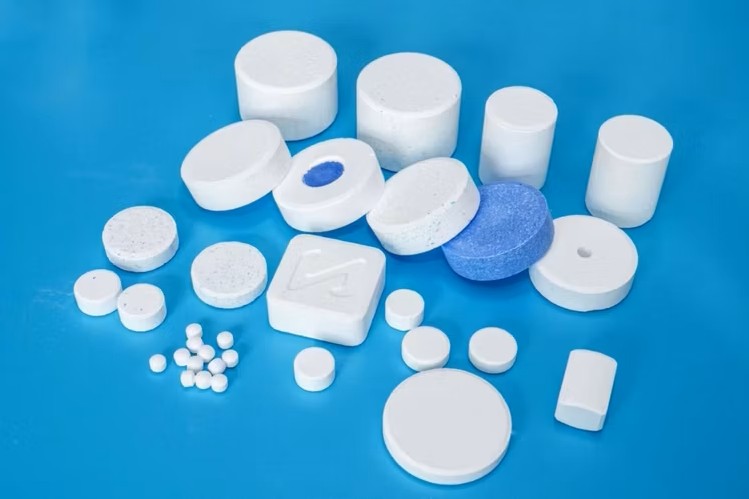
Calcium Hypochlorite for Water Parks: Chlorine Volume High Traffic
Author: Dr. Marcus Richardson
Introduction
Water parks face a unique challenge that most swimming pools never encounter: managing massive volumes of water under extreme visitor traffic while maintaining impeccable sanitation standards. When thousands of guests dive, splash, and swim daily, traditional chlorine solutions often fall short. This is where calcium hypochlorite emerges as the game-changing solution for high-traffic aquatic facilities. In this comprehensive guide, we explore why leading water park operators are switching to premium calcium hypochlorite for superior disinfection performance and cost efficiency.
The High-Traffic Water Park Challenge
Understanding Chlorine Demand Fluctuations
Water parks experience dramatic fluctuations in bather loads throughout the day, season, and special events. A single sunny weekend can bring 5,000+ visitors, introducing organic contaminants, sunscreen residues, and bacteria at unprecedented rates. Standard sodium hypochlorite solutions struggle to maintain consistent free chlorine levels under such conditions, leading to:
- Inadequate pathogen elimination
- Unpleasant chloramine odors
- Increased chemical consumption costs
- Potential health code violations
Why Volume Matters in Commercial Applications
Large-scale water attractions require chlorine products with high available chlorine content. Calcium hypochlorite delivers 65-70% available chlorine compared to 10-15% in liquid bleach solutions. This concentration advantage means:
- Reduced storage space requirements
- Lower transportation costs per chlorine unit
- Extended shelf life for inventory management
- More stable chlorine residuals in circulation systems
Premium Calcium Hypochlorite Solutions
Fast-Dissolving Granular Formulations
For water parks needing rapid chlorine boosts during peak hours, fast-dissolving granular calcium hypochlorite provides immediate sanitization without compromising water clarity. These formulations dissolve completely within minutes, making them ideal for:
- Shock treatments after closing hours
- Emergency contamination response
- Pre-opening water preparation
- Slide and attraction line flushing
Tablet Systems for Continuous Feeding
Automated chlorination systems benefit from calcium hypochlorite tablets that provide steady, controlled chlorine release. This method ensures:
- Consistent free chlorine levels between 3-5 ppm
- Reduced manual chemical handling
- Lower labor costs for chemical management
- Enhanced safety for maintenance staff
Cost-Benefit Analysis for Facility Operators
Reducing Total Chemical Expenditure
While calcium hypochlorite may have higher upfront costs per kilogram, the total cost of ownership proves significantly lower. Facilities report 30-40% reduction in annual chemical budgets after switching from liquid chlorine systems. Key savings come from:
- Decreased frequency of chemical deliveries
- Reduced product degradation during storage
- Lower pH adjustment chemical requirements
- Minimized water replacement needs
Operational Efficiency Gains
High-traffic water parks cannot afford downtime for water treatment issues. Calcium hypochlorite’s stability and potency enable:
- Faster water turnaround times
- Extended operating seasons
- Improved guest satisfaction scores
- Enhanced regulatory compliance records
Safety and Storage Considerations
Proper Handling Protocols
Calcium hypochlorite requires specific handling procedures to ensure staff safety and product integrity. Recommended practices include:
- Dedicated dry storage areas with ventilation
- Personal protective equipment for all handlers
- Separation from organic materials and acids
- Temperature-controlled environments below 30°C
Regulatory Compliance Requirements
Water park operators must maintain detailed chemical logs and follow local health department guidelines. Premium suppliers provide:
- Complete safety data sheets (SDS)
- Batch testing certificates
- Usage documentation templates
- Staff training resources
Conclusion
For water parks managing high visitor volumes, calcium hypochlorite represents the optimal balance of effectiveness, efficiency, and economy. The superior chlorine concentration, extended shelf life, and operational flexibility make it the preferred choice for commercial aquatic facilities worldwide. Partnering with a reliable supplier ensures consistent product quality and technical support when you need it most.
Ready to optimize your water park’s sanitation system? Discover how our premium calcium hypochlorite solutions can transform your facility’s performance and reduce operational costs.
FAQ
Q: How often should calcium hypochlorite be applied in high-traffic water parks?
A: During peak season with heavy bather loads, daily shock treatments are recommended after closing. Continuous feeding systems should maintain 3-5 ppm free chlorine throughout operating hours.
Q: What is the shelf life of calcium hypochlorite products?
A: Properly stored in cool, dry conditions, calcium hypochlorite maintains potency for 2-3 years. Always check manufacturing dates and store away from moisture.
Q: Can calcium hypochlorite be used with automated dosing systems?
A: Yes, tablet and granular formulations are compatible with most commercial chlorination equipment. Consult your system manufacturer for specific compatibility guidelines.
Q: How does calcium hypochlorite compare to sodium hypochlorite for large facilities?
A: Calcium hypochlorite offers 5-6 times higher available chlorine content, better stability, and lower long-term costs, making it superior for high-volume applications.
Q: What safety certifications should I look for in suppliers?
A: Seek suppliers with ISO 9001 certification, REACH compliance, and complete regulatory documentation for your region’s health and safety requirements.
Author: Dr. Marcus Richardson
