
Calcium Hypochlorite for Water Parks: Safe High Supplies Traffic
Introduction
Water park operators face a constant challenge: maintaining crystal-clear, safe water while managing high visitor traffic. One wrong decision in water treatment can lead to health hazards, regulatory fines, or even facility closures. Calcium hypochlorite has emerged as the go-to solution for commercial water parks seeking reliable, efficient disinfection. But how do you ensure safe, high-volume supplies without compromising quality or safety? This guide addresses the critical pain points water park managers face and delivers actionable solutions.
Why Water Parks Need Reliable Calcium Hypochlorite Supplies
The High-Traffic Challenge
Water parks experience extreme fluctuations in visitor numbers, especially during peak seasons. A single day can bring thousands of swimmers, introducing contaminants like bacteria, algae, and organic matter. Traditional chlorine systems often struggle to maintain consistent disinfection levels under such pressure.
Key Pain Points:
- Inconsistent chlorine residuals during peak hours
- Frequent supply chain disruptions
- Safety concerns with bulk chemical storage
- Rising operational costs from inefficient dosing
Calcium Hypochlorite Advantages
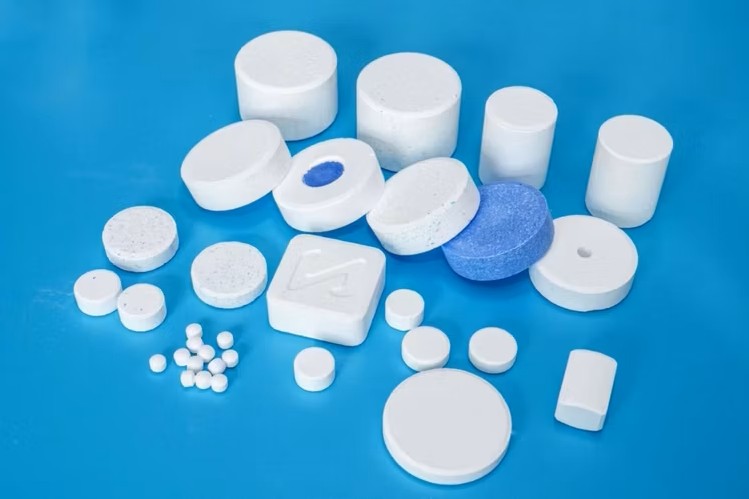
Calcium hypochlorite (Cal-Hypo) offers 65-70% available chlorine, making it significantly more potent than liquid bleach. Its stable granular or tablet form ensures longer shelf life and easier handling for large-scale operations.
Ensuring Safe High-Volume Supply Chains
Supplier Verification Standards
Not all calcium hypochlorite suppliers meet commercial water park requirements. B端 buyers must verify:
- Certification Compliance – Look for NSF/ANSI 60 certification for drinking water applications
- Batch Testing Documentation – Request Certificate of Analysis (CoA) for each shipment
- Storage & Transport Safety – Ensure suppliers follow UN transport regulations for oxidizers
Inventory Management Best Practices
Maintaining adequate stock without over-ordering requires strategic planning:
- Calculate weekly chlorine consumption based on average bather load
- Establish safety stock levels for emergency situations
- Implement first-in-first-out (FIFO) rotation to prevent degradation
- Store in cool, dry, ventilated areas away from organic materials
Cost-Effective Dosing Solutions for Large Facilities
Automated Dosing Systems
Manual chlorine dosing introduces human error and inconsistent water quality. Modern automated systems paired with high-grade calcium hypochlorite deliver:
- Precise ppm control regardless of traffic fluctuations
- Reduced chemical waste by 15-25%
- Lower labor costs through minimized manual intervention
- Real-time monitoring with alert notifications
Bulk Purchasing Strategies
Water parks can reduce per-unit costs by 20-30% through strategic bulk ordering. However, this requires proper storage infrastructure and supply chain reliability. Partner with suppliers offering flexible delivery schedules and volume discounts without compromising product stability.
Safety Protocols for Commercial Handling
Staff Training Requirements
Every team member handling calcium hypochlorite must complete certified training covering:
- Proper PPE usage (gloves, goggles, respirators)
- Emergency spill response procedures
- Safe mixing protocols to prevent chlorine gas release
- First aid measures for chemical exposure
Storage Facility Standards
Dedicated chemical storage rooms should feature:
- Non-combustible construction materials
- Separate storage from acids and organic compounds
- Temperature control below 30°C (86°F)
- Secondary containment for leak prevention
- Clear labeling and SDS accessibility
Conclusion
Water park operators cannot afford compromises when it comes to water disinfection. Calcium hypochlorite provides the potency, stability, and cost-efficiency needed for high-traffic commercial facilities. By partnering with verified suppliers, implementing automated dosing systems, and maintaining rigorous safety protocols, you can ensure safe swimming environments while optimizing operational costs. The key lies in proactive supply chain management and never cutting corners on chemical quality.
FAQ
Q1: How long does calcium hypochlorite remain effective in storage?
A: Properly stored in cool, dry conditions, calcium hypochlorite maintains potency for 2-3 years. Always check manufacturing dates and rotate stock using FIFO methods.
Q2: What chlorine ppm levels should water parks maintain?
A: Commercial pools and water parks should maintain 3-5 ppm free chlorine residuals, with shock treatments reaching 10 ppm during high bather loads or contamination events.
Q3: Can calcium hypochlorite be used with saltwater systems?
A: Yes, but it may increase calcium hardness over time. Regular water testing and partial water changes help maintain balance in saltwater facilities.
Q4: What certifications should I look for in suppliers?
A: Prioritize suppliers with NSF/ANSI 60, ISO 9001, and REACH compliance. Request batch-specific Certificates of Analysis for quality verification.
Q5: How do I calculate weekly calcium hypochlorite consumption?
A: Multiply pool volume (gallons) × desired ppm increase × 1.3 ÷ 10,000 = pounds of Cal-Hypo needed. Adjust based on actual bather load and environmental factors.
Author: Dr. Marcus Chen
Ready to secure reliable calcium hypochlorite supplies for your water park? Visit our contact page to request a customized quote and supply chain consultation. https://envochemical.com/contact-us/
