
Calcium Hypochlorite for Water Parks: Safe Supplies High Traffic
Introduction
Water parks represent one of the most demanding environments for water treatment chemicals. With thousands of visitors daily, maintaining crystal-clear, safe water requires robust disinfection solutions that can handle high organic loads while ensuring swimmer safety. Calcium hypochlorite has emerged as the industry-standard choice for water park operators worldwide, offering powerful sanitization capabilities combined with operational efficiency. This comprehensive guide explores why calcium hypochlorite remains the preferred solution for high-traffic aquatic facilities and how to source safe, reliable supplies for your operation.
Understanding Calcium Hypochlorite in Aquatic Applications
Chemical Properties and Advantages
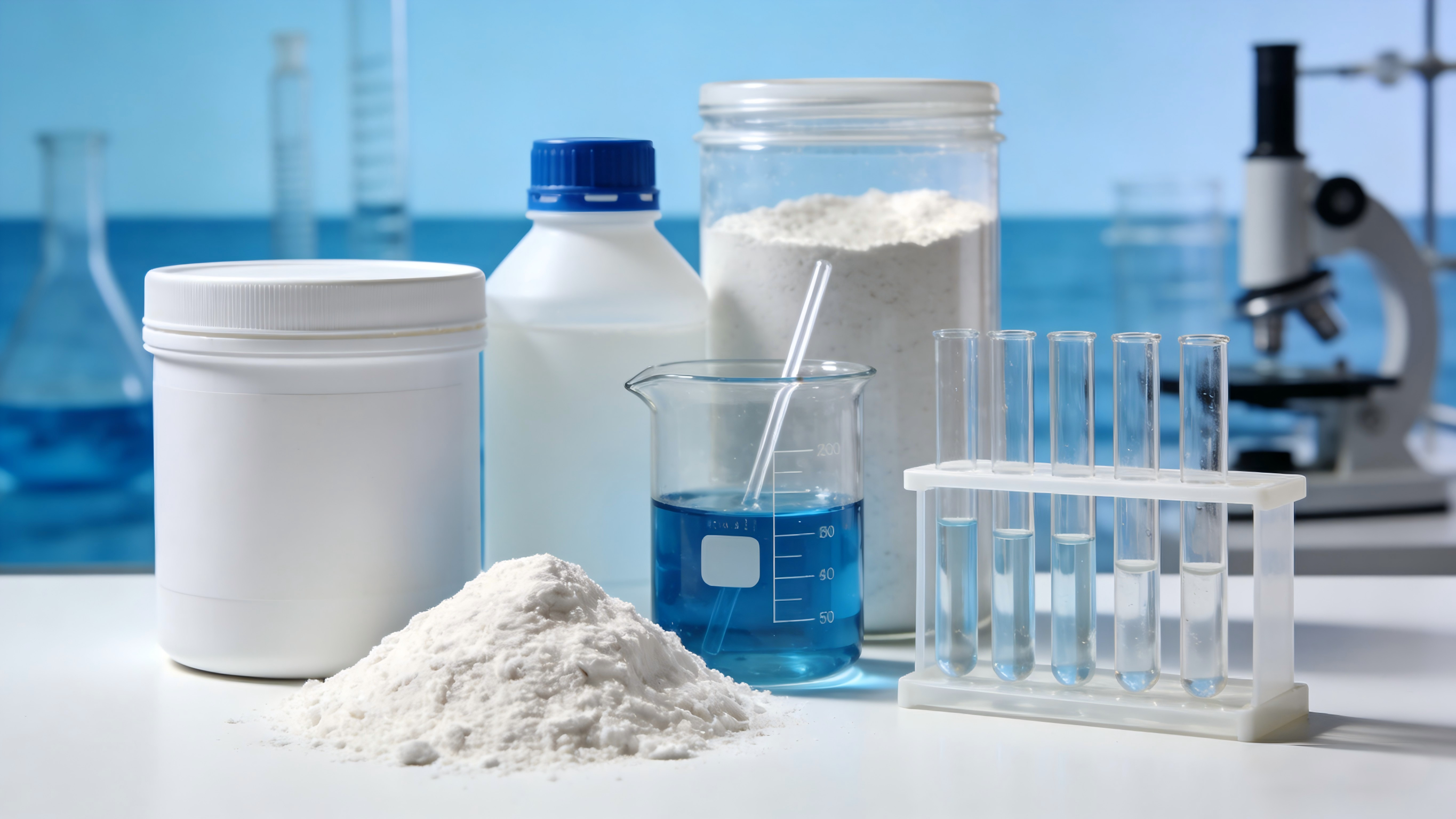
Calcium hypochlorite (Ca(OCl)₂) is a stable, white granular or tablet compound containing 65-70% available chlorine. Its high chlorine concentration makes it significantly more efficient than liquid bleach or sodium hypochlorite solutions. For water parks managing millions of gallons of water, this concentration advantage translates directly into reduced storage requirements and lower transportation costs.
The compound dissolves readily in water, releasing hypochlorous acid—the active sanitizing agent that destroys bacteria, viruses, and algae. Unlike some alternative disinfectants, calcium hypochlorite maintains effectiveness across a broad pH range, providing consistent performance even when water chemistry fluctuates during peak operating hours.
Why Water Parks Choose Calcium Hypochlorite
High-traffic aquatic facilities face unique challenges that demand superior disinfection power. Swimmers introduce contaminants including sweat, sunscreen, urine, and organic debris that rapidly consume chlorine residuals. Calcium hypochlorite’s rapid oxidation capacity ensures these contaminants are neutralized before they can compromise water quality or create unpleasant odors.
The stability of calcium hypochlorite also proves crucial for water park operations. Unlike liquid chlorine products that degrade over time, properly stored calcium hypochlorite maintains its potency for extended periods. This shelf stability allows facilities to purchase in bulk during favorable pricing periods without担心 product degradation.
Safety Considerations for High-Traffic Facilities
Proper Handling Protocols
Worker safety represents a primary concern when handling any chlorine-based disinfectant. Calcium hypochlorite requires specific handling procedures to prevent accidents and ensure regulatory compliance. Staff must receive comprehensive training on proper personal protective equipment (PPE), including chemical-resistant gloves, eye protection, and respiratory protection when handling dry products.
Storage areas must remain cool, dry, and well-ventilated, separated from organic materials and acids that could trigger dangerous reactions. Facilities should implement clear labeling systems and maintain safety data sheets (SDS) readily accessible to all personnel.
Maintaining Safe Chlorine Levels
Water parks must balance effective disinfection with swimmer comfort and safety. The recommended free chlorine residual for public pools and water parks typically ranges from 1.0 to 3.0 ppm, with shock treatments reaching higher levels during off-hours. Calcium hypochlorite allows precise dosing control, enabling operators to maintain optimal levels without over-chlorination that could cause skin or eye irritation.
Regular water testing protocols ensure chlorine residuals remain within safe parameters throughout operating hours. Automated dosing systems integrated with real-time monitoring provide additional safety layers, adjusting chemical feed rates based on actual water quality measurements.
Sourcing Reliable Calcium Hypochlorite Supplies
Quality Standards and Certifications
Not all calcium hypochlorite products meet the rigorous demands of commercial water park operations. B端 buyers should verify suppliers maintain relevant certifications including NSF/ANSI Standard 60 for drinking water treatment chemicals and ISO 9001 quality management systems. These certifications demonstrate commitment to consistent product quality and regulatory compliance.
Particle size distribution, moisture content, and available chlorine percentage should meet specified tolerances. Reputable suppliers provide certificates of analysis (COA) with each shipment, documenting actual product specifications against claimed values.
Supply Chain Reliability
Water parks cannot afford disinfection chemical shortages during peak season. Evaluate potential suppliers based on production capacity, inventory levels, and distribution network strength. Suppliers with multiple manufacturing locations offer redundancy that protects against supply disruptions from equipment failures or regional emergencies.
Lead times and order flexibility matter significantly for high-traffic facilities. Choose partners capable of accommodating rush orders during unexpected demand spikes while maintaining competitive pricing for scheduled bulk purchases.
Cost-Effectiveness Analysis
Total Cost of Ownership
While calcium hypochlorite may carry higher per-unit costs than some alternatives, total cost of ownership often favors this option for water parks. The high available chlorine content means less product volume is required to achieve target residuals. Reduced storage space, lower freight costs, and decreased handling time all contribute to operational savings.
Product stability minimizes waste from degradation, ensuring purchased chlorine delivers full value. Facilities reporting annual chemical budget comparisons consistently show calcium hypochlorite provides 15-25% cost savings compared to liquid chlorine alternatives when all factors are considered.
Bulk Purchasing Strategies
Water parks operating seasonally can maximize savings through strategic bulk purchasing during off-peak periods. Suppliers often offer volume discounts for commitments exceeding specific thresholds. Long-term supply agreements may include price protection clauses shielding buyers from raw material cost volatility.
Consider consortium purchasing arrangements with other regional facilities to increase negotiating leverage. Group purchasing organizations specializing in aquatic chemicals can provide access to preferential pricing otherwise unavailable to individual operators.
Environmental and Regulatory Compliance
Discharge Requirements
Water park operators must comply with local regulations governing wastewater discharge. Calcium hypochlorite breaks down into calcium, chloride, and oxygen—relatively benign byproducts compared to some alternative disinfectants. However, dechlorination may be required before discharging large volumes to municipal systems or natural water bodies.
Maintain documentation demonstrating compliance with all applicable environmental regulations. Regular testing of discharge water ensures chlorine residuals meet permitted limits before release.
Emerging Regulatory Trends
Regulatory scrutiny of pool chemicals continues evolving globally. Stay informed about upcoming changes affecting calcium hypochlorite use, storage, or transportation. Proactive compliance demonstrates responsible operation and protects against future regulatory disruptions.
FAQ
Q: How often should calcium hypochlorite be added to water park pools?
A: Dosing frequency depends on bather load, water temperature, and filtration capacity. High-traffic facilities typically require continuous automated feeding supplemented by manual shock treatments during off-hours. Real-time monitoring systems provide optimal dosing schedules.
Q: What is the shelf life of calcium hypochlorite?
A: Properly stored in cool, dry conditions away from direct sunlight, calcium hypochlorite maintains potency for 2-3 years. Moisture exposure accelerates degradation, so ensure packaging remains sealed until use.
Q: Can calcium hypochlorite be used with saltwater pool systems?
A: Yes, calcium hypochlorite works effectively in saltwater pools for shock treatments and supplemental disinfection. However, avoid regular use as it increases calcium hardness, potentially causing scaling issues over time.
Q: How do I calculate the correct dosage for my water park?
A: Dosage calculations consider pool volume, current chlorine levels, target residuals, and product strength. Generally, 1 pound of 65% calcium hypochlorite treats approximately 10,000 gallons to raise chlorine by 1 ppm. Professional water testing provides precise requirements.
Q: What safety equipment is required for handling calcium hypochlorite?
A: Minimum PPE includes chemical-resistant gloves, safety goggles, long-sleeved clothing, and closed-toe shoes. Dust masks or respirators are recommended when handling dry granular products. Emergency eyewash stations must be accessible in storage areas.
Ready to secure reliable calcium hypochlorite supplies for your water park operation? Partner with experienced chemical suppliers who understand the unique demands of high-traffic aquatic facilities. Visit our contact page to discuss your specific requirements and receive customized quotation: https://envochemical.com/contact-us/
