
Calcium Hypochlorite Importers for Hospitals: Bulk Certified
Introduction
After two decades navigating the water treatment and disinfection chemical industry, I’ve witnessed firsthand how critical reliable calcium hypochlorite sourcing has become for healthcare facilities worldwide. The pandemic era fundamentally changed how hospitals approach disinfection protocols, and the demand for certified, bulk-grade calcium hypochlorite has never been more intense.
If you’re a procurement manager, hospital administrator, or chemical distributor reading this, you understand the stakes. One compromised batch can disrupt entire sanitation schedules. One uncertified shipment can trigger regulatory nightmares. That’s why finding trustworthy calcium hypochlorite importers isn’t just about price—it’s about partnership, compliance, and peace of mind.
In this comprehensive guide, I’ll walk you through everything you need to know about sourcing bulk certified calcium hypochlorite for hospital applications, from certification requirements to quality verification protocols that actually matter.
Why Hospitals Require Certified Calcium Hypochlorite
Regulatory Compliance Cannot Be Compromised
Healthcare facilities operate under stringent regulatory frameworks. Whether you’re dealing with FDA requirements in the United States, REACH compliance in Europe, or WHO guidelines for international health organizations, every gram of disinfectant entering a hospital must meet specific purity and safety standards.
Calcium hypochlorite, with CAS number 7778-54-3, serves as a powerful oxidizing agent and disinfectant. However, not all grades are created equal. Industrial-grade products may contain impurities unacceptable for healthcare environments. That’s where certified hospital-grade calcium hypochlorite becomes non-negotiable.
The Hidden Costs of Non-Certified Products
I’ve consulted with hospitals that attempted to cut costs by purchasing non-certified bulk calcium hypochlorite. The short-term savings vanished quickly when faced with:
- Failed quality audits from health inspectors
- Equipment corrosion from inconsistent chlorine concentrations
- Staff safety incidents due to improper stabilization
- Contract penalties from regulatory non-compliance
The math is simple: certified products cost more upfront but prevent exponentially larger downstream expenses.
Key Certifications to Demand from Importers
ISO 9001 Quality Management
Any serious calcium hypochlorite importer should maintain ISO 9001 certification. This isn’t optional for hospital supply chains. The certification ensures consistent manufacturing processes, documented quality control procedures, and traceability from production to delivery.
NSF/ANSI Standard 60
For facilities in North America, NSF/ANSI Standard 60 certification validates that the calcium hypochlorite meets drinking water treatment chemical requirements. While primarily designed for water treatment, many hospital procurement teams use this as a baseline purity indicator.
REACH Compliance Documentation
European hospitals must verify REACH registration for all chemical imports. Your importer should provide complete safety data sheets (SDS) with current REACH registration numbers. Don’t accept vague promises—demand actual documentation.
WHO Prequalification (For International Health Organizations)
If you’re supplying hospitals through UN agencies or international health organizations, WHO prequalification becomes essential. This rigorous assessment covers manufacturing quality, stability testing, and packaging integrity.
Bulk Purchasing Considerations for Hospital Networks
Understanding Volume Tiers
Most certified calcium hypochlorite importers structure pricing around volume tiers. Based on current market data, expect the following general ranges:
- Sample/Testing Quantities: 100-500 kg for quality verification
- Medium Bulk: 1-5 metric tons for individual facilities
- Large Bulk: 10-50+ metric tons for hospital networks or regional distributors
Minimum order quantities (MOQ) typically start at 1 metric ton for certified grades, though some importers accommodate smaller trial orders for new clients.
Packaging Options That Matter
Hospital environments require specific packaging configurations:
- 25kg Plastic Drums: Most common for internal distribution
- 50kg Fiber Drums: Cost-effective for high-volume users
- Bulk Bags (500-1000kg): For facilities with dedicated chemical handling systems
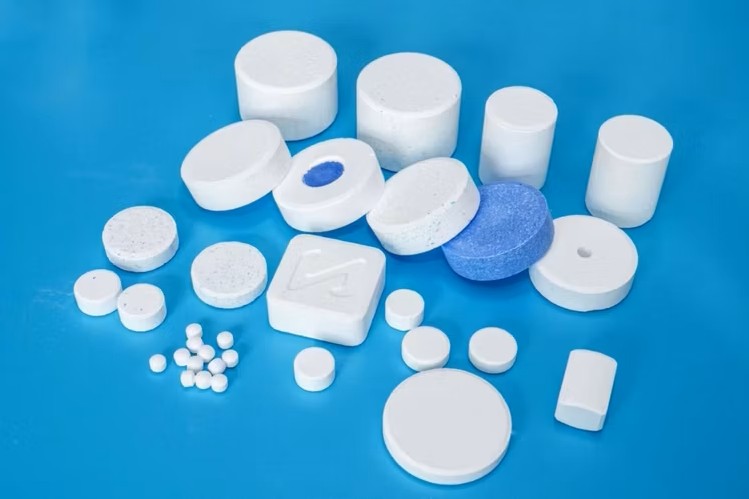
- Tablet Form: Pre-measured dosing for specific applications
The packaging isn’t just about convenience—it affects shelf life, safety, and regulatory compliance. Moisture-resistant packaging is critical since calcium hypochlorite degrades when exposed to humidity.
Quality Verification Protocols Every Buyer Should Implement
Third-Party Laboratory Testing
Never rely solely on importer-provided certificates of analysis. I recommend establishing relationships with independent laboratories that can verify:
- Available chlorine content (typically 65-70% for premium grades)
- Moisture content (should not exceed 5% for stable products)
- Heavy metal contamination levels
- Particle size distribution
Batch Traceability Systems
Your importer must provide complete batch traceability. Each shipment should include:
- Manufacturing date and batch number
- Production facility identification
- Raw material sourcing documentation
- Quality control test results
This isn’t bureaucracy—it’s your insurance policy when questions arise during audits.
Stability Testing Requirements
Calcium hypochlorite naturally degrades over time. Certified importers should provide stability data showing chlorine retention rates under various storage conditions. Expect minimum 12-month shelf life when stored properly in cool, dry conditions.
Red Flags When Evaluating Calcium Hypochlorite Importers
Warning Sign 1: Vague Certification Claims
If an importer says they’re “certified” but cannot produce actual certification documents within 48 hours, move on. Legitimate suppliers maintain organized documentation systems.
Warning Sign 2: Pricing Significantly Below Market
Current market rates for certified calcium hypochlorite range from USD $800-1,500 per metric ton depending on grade, volume, and destination. Quotes substantially below this range often indicate compromised quality or fraudulent certification.
Warning Sign 3: Inconsistent Communication
Professional importers maintain dedicated account managers for B2B clients. If you’re dealing with different contacts for each inquiry or experiencing delayed responses, question their operational capacity.
Warning Sign 4: No Physical Address Verification
Verify the importer’s physical operations. Request facility photos, video tours, or third-party audit reports. Virtual-only operations warrant additional scrutiny.
Building Long-Term Supplier Relationships
Start with Trial Orders
Before committing to large volumes, place trial orders to verify:
- Product consistency across batches
- Delivery timeline reliability
- Documentation accuracy
- Customer support responsiveness
Establish Clear Communication Protocols
Define escalation procedures for quality issues, delivery delays, and documentation problems. Written agreements prevent misunderstandings during high-pressure situations.
Schedule Regular Quality Reviews
Quarterly or semi-annual quality review meetings help identify emerging issues before they become crises. Top importers welcome this collaborative approach.
Conclusion
Sourcing certified calcium hypochlorite for hospital applications requires diligence, but the investment pays dividends in regulatory compliance, operational reliability, and patient safety. The right importer becomes a strategic partner, not just a vendor.
Remember: certifications verify capability, but relationships ensure consistency. Take time to evaluate potential partners thoroughly. Your hospital’s reputation—and potentially patient outcomes—depend on the quality of disinfection chemicals flowing through your facilities.
The market contains numerous calcium hypochlorite importers, but only a fraction truly understand hospital procurement requirements. Choose wisely, verify thoroughly, and build partnerships that withstand regulatory scrutiny and operational pressure.
Frequently Asked Questions
Q1: What is the minimum purity level required for hospital-grade calcium hypochlorite?
A: Hospital applications typically require minimum 65% available chlorine content, with premium grades reaching 70%. Anything below 65% should be carefully evaluated for your specific use case.
Q2: How long does certified calcium hypochlorite remain stable in storage?
A: When stored in cool, dry conditions (below 25°C, humidity under 50%), certified calcium hypochlorite maintains specified purity for 12-24 months. Always verify expiration dates upon delivery.
Q3: Can I request custom packaging for hospital distribution?
A: Most established importers accommodate custom packaging requests for bulk orders. Minimum quantities apply, typically 5+ metric tons for custom configurations.
Q4: What documentation should I receive with each shipment?
A: Expect Certificate of Analysis, Safety Data Sheet (SDS), batch traceability documentation, and applicable certification copies. Missing documentation should trigger immediate follow-up.
Q5: How do I verify an importer’s certifications are current?
A: Request certification numbers and verify directly with issuing organizations. ISO certificates include unique registration numbers traceable through certification body databases.
Author: Marcus Thornfield
Disclaimer: This article reflects industry best practices based on professional experience. Specific requirements may vary by jurisdiction and facility type. Always consult regulatory experts for compliance guidance.
