
Calcium Hypochlorite Importers for Hospitals: EPA Supplies
Author: Dr. Marcus Thorne
In the high-stakes environment of healthcare facility management, the margin for error is non-existent. When I walk through a hospital procurement office, I do not just see purchase orders; I see the backbone of infection control. Water quality and surface disinfection are not merely operational checkboxes; they are critical determinants of patient safety. Among the arsenal of chemicals available to facility managers, Calcium Hypochlorite stands out as a cornerstone for effective sanitation. However, sourcing this chemical is not as simple as placing an order. It requires navigating a complex landscape of regulatory compliance, supply chain reliability, and purity standards. This article dives deep into why selecting the right Calcium Hypochlorite importers for hospitals is vital, specifically focusing on EPA supplies and regulatory adherence.
The Critical Role of Disinfection in Healthcare Facilities
Hospitals operate 24/7, and so do the pathogens they fight. From Legionella in water systems to MRSA on surfaces, the threat is constant. During my years consulting for large healthcare networks, I have witnessed how a disruption in the supply of effective disinfectants can cascade into operational chaos. Calcium Hypochlorite, often referred to as Cal Hypo or HTH, is preferred in many institutional settings because of its high available chlorine content and stability compared to liquid sodium hypochlorite.
For hospital engineers and procurement officers, the challenge is twofold: ensuring the chemical is effective enough to kill resistant organisms and ensuring it is safe to handle within a populated environment. This is where the source matters. An importer who merely moves boxes without understanding the chemical stability or regulatory landscape is a liability. You need a partner who understands that a batch of subpar Cal Hypo can lead to inadequate disinfection levels, potentially compromising sterile fields or water treatment systems.
Understanding Calcium Hypochlorite: Why It Matters for Hospitals
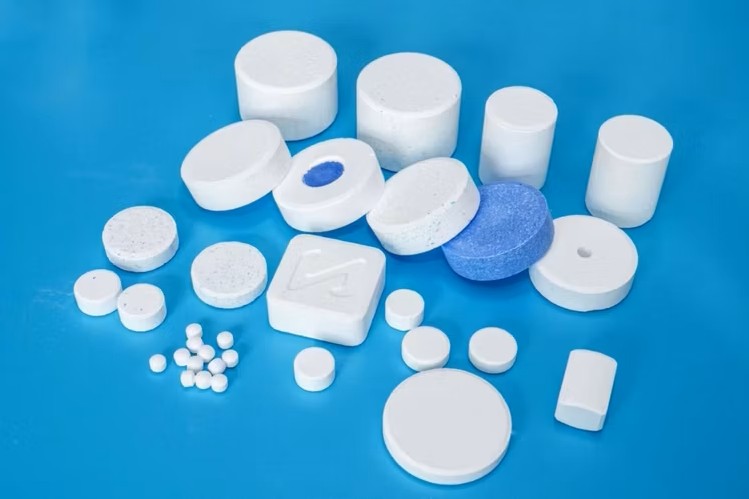
Calcium Hypochlorite is a solid compound that releases chlorine when dissolved in water. Its primary advantage in a hospital setting lies in its shelf life and concentration. Liquid bleach degrades relatively quickly, especially when stored in warm conditions, which is common in large facility storage rooms. Cal Hypo, typically available in granular or tablet form, maintains its potency much longer.
When evaluating suppliers, I always advise clients to look beyond the price per kilogram. The key metric is the “available chlorine” percentage. High-quality imports should consistently meet or exceed 65% available chlorine. Anything less means you are paying for filler material and potentially under-dosing your water treatment or sanitation protocols. Furthermore, the impurity profile is crucial. Hospitals cannot afford heavy metal contaminants or excessive insoluble matter that could clog intricate dosing pumps in dialysis units or HVAC cooling towers.
EPA Compliance and Regulatory Standards
The mention of EPA Supplies in our title is not accidental. In the United States, and increasingly in other jurisdictions adopting similar standards, the Environmental Protection Agency (EPA) regulates pesticides and disinfectants under the Federal Insecticide, Fungicide, and Rodenticide Act (FIFRA). Calcium Hypochlorite used for disinfection purposes often falls under these regulations.
Working with importers who prioritize EPA compliance is non-negotiable for risk-averse hospital administrations. A compliant importer ensures that every shipment comes with the necessary registration numbers, Safety Data Sheets (SDS) that meet OSHA standards, and proper labeling. I have seen facilities face hefty fines simply because the documentation accompanying a chemical shipment was outdated or incorrect.
Moreover, EPA compliance often correlates with manufacturing quality. Facilities that adhere to strict regulatory frameworks usually have better quality control processes in place. They test batches for consistency, ensuring that the decomposition rate of the product is within expected limits. For a hospital, this consistency means predictable dosing calculations, which is essential for maintaining water safety plans without constant manual adjustment.
Selecting the Right Importer: A Checklist for Procurement
Choosing among various Calcium Hypochlorite importers requires a due diligence process that goes beyond a Google search. Based on my experience negotiating contracts for healthcare groups, here are the critical factors you must evaluate:
- Supply Chain Transparency: Where does the product originate? Is the manufacturing plant certified? An importer who cannot trace the product back to the source factory is a risk. You need to know that the production facility adheres to ISO standards.
- Logistical Capability: Hospitals cannot tolerate stockouts. Does the importer have local warehousing? Can they handle emergency shipments? During peak flu seasons or public health emergencies, supply chains tighten. A robust importer has contingency plans.
- Technical Support: Do they offer technical assistance? Sometimes, the issue is not the chemical but the application. A superior supplier provides support on dosing calculations, storage safety, and compatibility with existing infrastructure.
- Regulatory Documentation: As mentioned, ensure they provide up-to-date EPA registration details and comprehensive SDS. This protects your facility from legal and safety liabilities.
Supply Chain Stability and Bulk Procurement
Hospitals consume chemicals in significant volumes. Whether it is for laundry sanitation, surface disinfection, or potable water treatment, the usage is continuous. Relying on spot purchases is inefficient and risky. Establishing a contract with a reliable importer allows for bulk procurement strategies that stabilize costs and ensure availability.
I often recommend a hybrid inventory model. Keep a baseline stock secured through a long-term agreement with a primary importer, but maintain a vetted secondary source for emergencies. This strategy mitigates the risk of geopolitical issues, shipping delays, or manufacturing shutdowns at the source. When discussing bulk supplies, also consider packaging. Drums, pails, or bulk bags? The packaging must suit your storage capabilities and handling equipment to minimize exposure risks to staff.
Safety and Handling Considerations
While Calcium Hypochlorite is highly effective, it is also a strong oxidizer. Improper storage can lead to hazardous situations, including fire risks if contaminated with organic materials. A responsible importer will provide detailed guidance on storage requirements. This includes keeping the product in a cool, dry, ventilated area, away from acids and ammonia.
For hospital staff, safety training is paramount. The importer should supply clear labeling and handling instructions in the local language. In my consultations, I emphasize that the cost of safety training is negligible compared to the cost of an accident. Ensuring your supplier prioritizes safety culture reflects well on your institution’s overall commitment to hazard management.
Conclusion
The selection of Calcium Hypochlorite importers for hospitals is a decision that impacts patient safety, regulatory compliance, and operational efficiency. It is not merely a purchasing task; it is a strategic partnership. By prioritizing EPA supplies, verifying regulatory documentation, and assessing supply chain robustness, hospital procurement leaders can secure a safe and effective sanitation protocol.
In an industry where trust is the currency, your chemical suppliers must be as reliable as your medical equipment. Do not compromise on quality or compliance. The right partner ensures that when you turn on the tap or sanitize a ward, the invisible shield against infection is strong and reliable. Take the time to vet your importers thoroughly. Your patients and staff depend on it.
Frequently Asked Questions (FAQ)
Q1: Why is Calcium Hypochlorite preferred over liquid bleach for hospital water systems?
A: Calcium Hypochlorite has a longer shelf life and higher stability than liquid bleach. It does not degrade as quickly under storage, ensuring consistent chlorine levels in water treatment systems over time.
Q2: What documentation should I request from an importer?
A: You should always request the current Safety Data Sheet (SDS), Certificate of Analysis (CoA) for the specific batch, and proof of EPA registration or equivalent local regulatory compliance.
Q3: How should Calcium Hypochlorite be stored in a hospital setting?
A: It must be stored in a cool, dry, well-ventilated area, away from direct sunlight, acids, ammonia, and organic materials. It should be kept in its original, tightly sealed containers.
Q4: Can Calcium Hypochlorite be used for dialysis water treatment?
A: Generally, no. Dialysis water requires ultra-pure treatment processes often involving dechlorination steps. Cal Hypo is typically used for general potable water disinfection or wastewater, not directly for dialysis fluid preparation without extensive filtration and monitoring.
Q5: What happens if the product exceeds its shelf life?
A: Over time, Calcium Hypochlorite loses its available chlorine content. Using expired product may result in under-dosing, failing to kill pathogens effectively. Always check the manufacturing date and test potency if stored for extended periods.
