
# Calcium Hypochlorite Importers for Public Facilities: Durable Facility Pros Chlorine
Introduction
When it comes to maintaining safe, clean water systems in public facilities, few chemicals deliver the reliability and effectiveness of calcium hypochlorite. As a water treatment professional with over fifteen years of experience in the industry, I’ve witnessed firsthand how the right disinfection solution can transform facility operations while protecting public health.
Public facilities face unique challenges when selecting water treatment chemicals. Municipal water systems, swimming pools, recreational centers, and institutional buildings all require consistent, long-lasting disinfection that won’t compromise safety or break operational budgets. This is where calcium hypochlorite stands apart from alternative chlorine sources.
In this comprehensive guide, I’ll walk you through everything facility managers, procurement officers, and water treatment specialists need to know about sourcing calcium hypochlorite from reliable importers. We’ll explore why this compound remains the gold standard for public facility disinfection and how to identify trustworthy suppliers who can meet your specific requirements.
Why Calcium Hypochlorite Remains the Top Choice for Public Facilities
Superior Stability and Shelf Life
One of the most compelling advantages of calcium hypochlorite lies in its remarkable stability. Unlike liquid chlorine solutions that degrade rapidly and require special storage conditions, calcium hypochlorite maintains its potency for extended periods when stored properly. This characteristic proves invaluable for public facilities that need to maintain emergency disinfection reserves or manage seasonal demand fluctuations.
From my experience working with municipal water departments, the ability to stockpile calcium hypochlorite without significant potency loss provides crucial operational flexibility. Facilities can purchase in bulk during favorable pricing periods and maintain inventory without worrying about rapid chemical degradation.
High Available Chlorine Content
Calcium hypochlorite typically contains between 65% to 70% available chlorine, making it significantly more concentrated than many alternative disinfection products. This high concentration translates to several practical benefits for facility operators. Less product is needed to achieve target disinfection levels, reducing storage space requirements and transportation costs. The concentrated nature also means fewer handling procedures, which enhances workplace safety.
Cost-Effectiveness at Scale
For large public facilities processing substantial water volumes, cost per unit of available chlorine becomes a critical decision factor. Calcium hypochlorite delivers exceptional value when compared to liquid sodium hypochlorite or chlorine gas systems. The reduced transportation weight, lower storage infrastructure requirements, and extended shelf life all contribute to lower total cost of ownership.
Key Considerations When Selecting Calcium Hypochlorite Importers
Quality Certifications and Compliance Standards
Not all calcium hypochlorite products meet the same quality benchmarks. Reputable importers should provide comprehensive documentation demonstrating compliance with international standards such as NSF/ANSI 60 for drinking water treatment chemicals. Additionally, look for suppliers who maintain ISO 9001 quality management certification and can provide batch-specific certificates of analysis.
From my perspective, never compromise on documentation. Request test reports showing active chlorine content, moisture levels, and impurity specifications. Quality importers will readily provide this information without hesitation.
Supply Chain Reliability and Capacity
Public facilities cannot afford supply interruptions. When evaluating potential importers, assess their supply chain resilience carefully. Questions to consider include:
- What is their typical lead time from order to delivery?
- Do they maintain adequate inventory buffers?
- How do they handle emergency or rush orders?
- What contingency plans exist for supply disruptions?
The best importers operate with multiple sourcing options and maintain strategic inventory levels to ensure consistent availability even during market fluctuations.
Technical Support and Expertise
Beyond simply selling products, quality importers provide valuable technical support throughout the product lifecycle. This includes assistance with proper dosing calculations, safety training for handling personnel, storage recommendations, and troubleshooting guidance when issues arise.
I’ve encountered situations where proper technical guidance prevented costly mistakes and optimized chemical usage. An importer who invests in customer education demonstrates commitment to long-term partnerships rather than one-time transactions.
Application-Specific Guidance for Public Facilities
Municipal Water Treatment Systems
Municipal water authorities represent some of the largest calcium hypochlorite consumers. For these applications, consistency and reliability take paramount importance. Water treatment plants typically require regular, scheduled deliveries with precise quality specifications. Importers serving this sector should demonstrate capability to handle large-volume contracts while maintaining strict quality control.
Key considerations for municipal applications include particle size distribution (affecting dissolution rates), packaging options suitable for automated feeding systems, and compatibility with existing infrastructure.
Swimming Pools and Recreational Facilities
Public swimming pools present unique disinfection challenges due to high bather loads, variable usage patterns, and strict health code requirements. Calcium hypochlorite works exceptionally well in these environments, providing rapid disinfection while maintaining stable chlorine residuals.
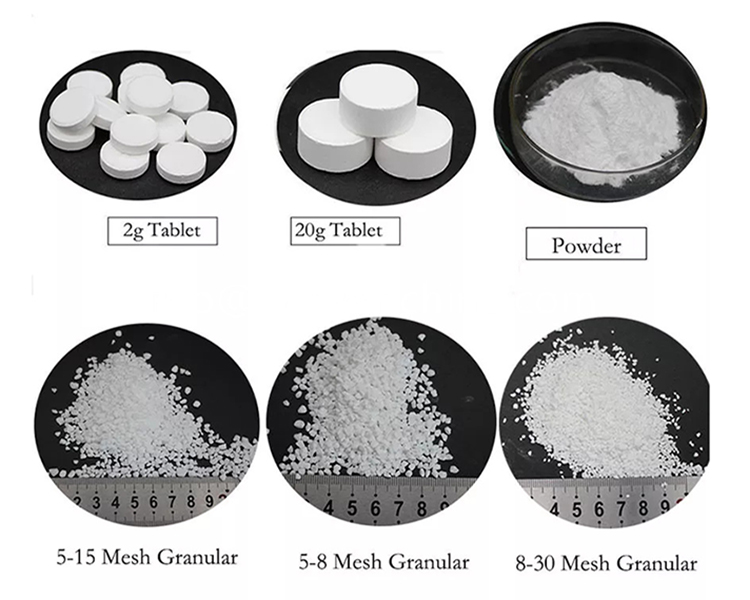
Pool operators should seek importers who understand recreational water quality standards and can provide products formulated specifically for pool applications. Granular formulations designed for quick dissolution work particularly well for shock treatments, while tablet forms suit continuous sanitation systems.
Emergency Response and Disaster Preparedness
Public facilities maintain emergency water treatment capabilities for natural disasters, infrastructure failures, and other crisis situations. Calcium hypochlorite’s stability makes it ideal for emergency stockpiles. Importers serving this need should offer specialized packaging designed for long-term storage and provide guidance on rotation schedules to maintain potency.
Safety and Handling Best Practices
Working with calcium hypochlorite requires proper safety protocols. While the compound is generally safe when handled correctly, it remains a strong oxidizer that demands respect. Here are essential safety considerations I recommend for all facilities:
Storage Requirements: Keep calcium hypochlorite in cool, dry, well-ventilated areas away from direct sunlight and heat sources. Never store near organic materials, acids, or ammonia-containing products, as dangerous reactions can occur.
Personal Protective Equipment: Staff handling calcium hypochlorite should wear appropriate PPE including chemical-resistant gloves, eye protection, and respiratory protection when dealing with dust or concentrated solutions.
Spill Response: Maintain spill response materials and trained personnel. Small spills can typically be managed with proper absorption materials, while larger incidents may require professional hazmat response.
Building Long-Term Partnerships with Importers
The relationship between public facilities and chemical importers extends far beyond individual transactions. Successful partnerships develop over time through consistent performance, open communication, and mutual commitment to safety and quality.
When evaluating potential long-term partners, consider their track record with similar facilities, financial stability, commitment to continuous improvement, and willingness to adapt to your evolving needs. The right importer becomes an extension of your operations team, invested in your success.
FAQ: Calcium Hypochlorite for Public Facilities
Q: What is the typical shelf life of calcium hypochlorite?
A: When stored properly in cool, dry conditions away from direct sunlight, calcium hypochlorite can maintain effectiveness for 2-3 years. However, gradual potency loss occurs over time, so regular testing and inventory rotation are recommended.
Q: How does calcium hypochlorite compare to sodium hypochlorite?
A: Calcium hypochlorite offers higher available chlorine content (65-70% vs. 10-15%), longer shelf life, and reduced transportation costs due to lower water content. However, it requires dissolution before use in many applications, while sodium hypochlorite comes ready-to-use in liquid form.
Q: What packaging options are available for public facilities?
A: Common packaging includes 50-pound drums, 100-pound containers, super sacks for bulk handling, and specialized tablet forms. The optimal choice depends on your facility’s consumption rate, storage capacity, and feeding system compatibility.
Q: Are there environmental concerns with calcium hypochlorite use?
A: When used according to label directions and proper dosing guidelines, calcium hypochlorite presents minimal environmental risk. The compound breaks down into salt, water, and calcium, all naturally occurring substances. However, proper handling prevents accidental releases.
Q: How do I calculate proper dosing for my facility?
A: Dosing calculations depend on water volume, target chlorine residual, and water quality parameters including pH, temperature, and organic load. Reputable importers provide dosing calculators and technical support to ensure accurate application.
Q: What certifications should I look for in calcium hypochlorite suppliers?
A: Seek suppliers with NSF/ANSI 60 certification for drinking water applications, ISO 9001 quality management certification, and compliance with local regulatory requirements. Additional certifications like REACH (for European markets) may apply depending on your location.
Selecting the right calcium hypochlorite importer represents a critical decision for public facility operators. The choice impacts water quality, operational costs, regulatory compliance, and ultimately public health protection. By prioritizing quality, reliability, technical expertise, and safety standards, facilities can establish partnerships that deliver consistent value over the long term.
Remember that the lowest price doesn’t always represent the best value. Consider total cost of ownership, including product quality, delivery reliability, technical support, and safety record. The right importer becomes a trusted partner in maintaining your facility’s water treatment excellence.
Author: Marcus Richardson
Would you like to explore calcium hypochlorite solutions for your public facility? Visit our contact page to connect with our water treatment specialists. https://envochemical.com/contact-us/
