
Calcium Hypochlorite Importers for Public Facilities: Pros Durable Facility Chlorine Solutions
Introduction
Public facilities ranging from municipal water treatment plants to swimming pools, hospitals, and educational institutions require reliable, efficient, and cost-effective disinfection solutions. Calcium hypochlorite has emerged as a cornerstone chemical for maintaining water quality and sanitation standards across diverse public infrastructure. As facility managers and procurement officers seek dependable suppliers, understanding the advantages of partnering with qualified calcium hypochlorite importers becomes essential for long-term operational success.
This comprehensive guide explores why calcium hypochlorite remains the preferred choice for public facility disinfection, what to look for in importers, and how durable chlorine solutions can transform your water treatment protocols while ensuring regulatory compliance and budget efficiency.
Why Calcium Hypochlorite Stands Out for Public Facilities
Superior Disinfection Power
Calcium hypochlorite delivers exceptional oxidizing capacity, effectively eliminating bacteria, viruses, algae, and other harmful microorganisms from water systems. With available chlorine content typically ranging from 65% to 70%, this compound provides consistent sanitization performance that meets stringent public health requirements.
Extended Shelf Life and Stability
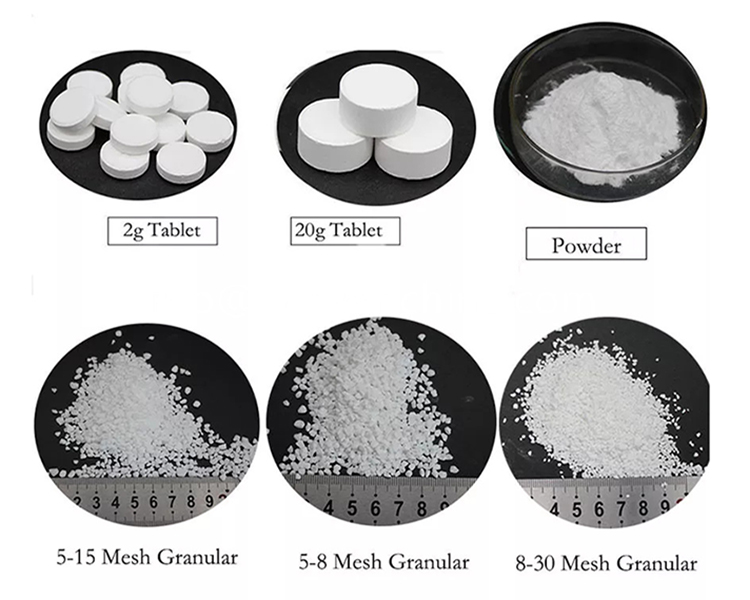
Unlike liquid chlorine alternatives, calcium hypochlorite in granular or tablet form offers superior storage stability. Properly stored products maintain potency for extended periods, reducing waste and ensuring facilities always have effective disinfection materials on hand during peak usage seasons or emergency situations.
Versatile Application Methods
Public facilities benefit from the flexibility calcium hypochlorite provides. Whether deployed through automated dosing systems, manual application for swimming pools, or large-scale municipal water treatment processes, this compound adapts to various operational requirements without compromising effectiveness.
Key Advantages of Partnering with Professional Importers
Quality Assurance and Certification
Reputable calcium hypochlorite importers maintain rigorous quality control standards. Products should comply with international certifications including ISO standards, NSF approvals for drinking water applications, and regional regulatory requirements. Professional importers provide comprehensive documentation including safety data sheets, certificates of analysis, and batch testing results.
Reliable Supply Chain Management
Public facilities cannot afford disinfection interruptions. Established importers maintain strategic inventory levels, multiple sourcing channels, and efficient logistics networks to ensure consistent product availability. This reliability proves critical during high-demand periods such as summer swimming seasons or public health emergencies.
Technical Support and Expertise
Quality importers offer more than product delivery. They provide technical consultation on proper dosing calculations, storage requirements, safety protocols, and system optimization. This expertise helps facilities maximize product efficiency while minimizing operational risks and costs.
Competitive Pricing Structures
Working directly with specialized importers often yields better pricing compared to general chemical distributors. Bulk purchasing options, long-term contracts, and volume discounts enable public facilities to achieve significant cost savings without sacrificing quality or service levels.
Selecting the Right Calcium Hypochlorite Importer
Evaluate Product Specifications
When assessing potential suppliers, examine product specifications carefully. Key parameters include available chlorine percentage, moisture content, particle size distribution, and packaging options. Different facilities may require specific formulations optimized for their unique application requirements.
Verify Regulatory Compliance
Ensure importers maintain all necessary licenses and certifications for hazardous chemical distribution. Compliance with transportation regulations, environmental standards, and workplace safety requirements protects your facility from potential legal and liability issues.
Assess Delivery Capabilities
Review the importer’s delivery infrastructure including warehouse locations, transportation fleets, and delivery timeframes. Facilities in remote locations or with urgent requirements need suppliers capable of meeting tight deadlines consistently.
Check References and Track Record
Request references from similar public facilities currently served by the importer. Feedback regarding product quality, delivery reliability, customer service responsiveness, and problem resolution capabilities provides valuable insights into expected partnership performance.
Safety and Compliance Considerations
Proper Storage Requirements
Calcium hypochlorite requires specific storage conditions to maintain stability and safety. Products must be kept in cool, dry, well-ventilated areas away from incompatible materials including acids, organic compounds, and reducing agents. Professional importers provide detailed storage guidance and can assist with facility assessments.
Handling and Training Protocols
Staff handling calcium hypochlorite require proper training on safe handling procedures, personal protective equipment requirements, and emergency response protocols. Quality importers often provide or recommend comprehensive training programs to ensure workplace safety.
Environmental Responsibility
Modern importers increasingly emphasize environmental stewardship through sustainable packaging, efficient transportation methods, and proper disposal guidance. Facilities pursuing green certifications should prioritize suppliers aligned with environmental sustainability goals.
Cost-Effectiveness Analysis for Long-Term Budgeting
Total Cost of Ownership
While initial purchase price matters, facilities should evaluate total cost of ownership including product efficiency, storage requirements, handling costs, and waste disposal expenses. High-quality calcium hypochlorite often delivers better long-term value through superior performance and reduced consumption rates.
Budget Predictability
Establishing relationships with reliable importers enables more accurate budget forecasting. Stable pricing agreements and consistent product quality eliminate unexpected cost variations that can disrupt facility financial planning.
Return on Investment
Effective disinfection programs protect public health, extend equipment lifespan, and prevent costly contamination incidents. Investing in quality calcium hypochlorite from trusted importers delivers measurable returns through reduced maintenance costs, compliance assurance, and enhanced public confidence.
Frequently Asked Questions
Q1: What is the typical shelf life of calcium hypochlorite?
A: When stored properly in cool, dry conditions away from direct sunlight and moisture, calcium hypochlorite maintains effectiveness for 2-3 years. Regular testing of stored products ensures continued potency.
Q2: How does calcium hypochlorite compare to sodium hypochlorite for public facilities?
A: Calcium hypochlorite offers higher available chlorine content, longer shelf life, and easier storage compared to liquid sodium hypochlorite. However, sodium hypochlorite may be preferable for automated dosing systems. The choice depends on specific facility requirements.
Q3: What certifications should I look for in calcium hypochlorite products?
A: Seek products with NSF/ANSI 60 certification for drinking water applications, ISO 9001 quality management certification, and compliance with local regulatory standards. Importers should provide complete documentation.
Q4: Can calcium hypochlorite be used in all types of public water systems?
A: Calcium hypochlorite suits most public water applications including swimming pools, drinking water treatment, wastewater disinfection, and cooling towers. However, specific water chemistry may require adjustment or alternative solutions. Consult technical experts for your particular application.
Q5: What emergency procedures should facilities have when using calcium hypochlorite?
A: Facilities need spill response plans, eye wash stations, proper ventilation systems, and staff trained in emergency protocols. Importers should provide comprehensive safety documentation and emergency response guidance.
Q6: How do I determine the right dosage for my facility?
A: Dosage depends on water volume, contamination levels, desired residual chlorine, and application type. Professional importers offer technical support for calculating optimal dosing rates specific to your facility’s requirements.
Partnering with the right calcium hypochlorite importer transforms public facility water treatment from a compliance obligation into a strategic advantage. By prioritizing quality, reliability, and technical expertise, facilities ensure consistent disinfection performance while optimizing operational costs.
Ready to enhance your public facility’s water treatment program? Explore professional calcium hypochlorite solutions tailored to your specific requirements.
