
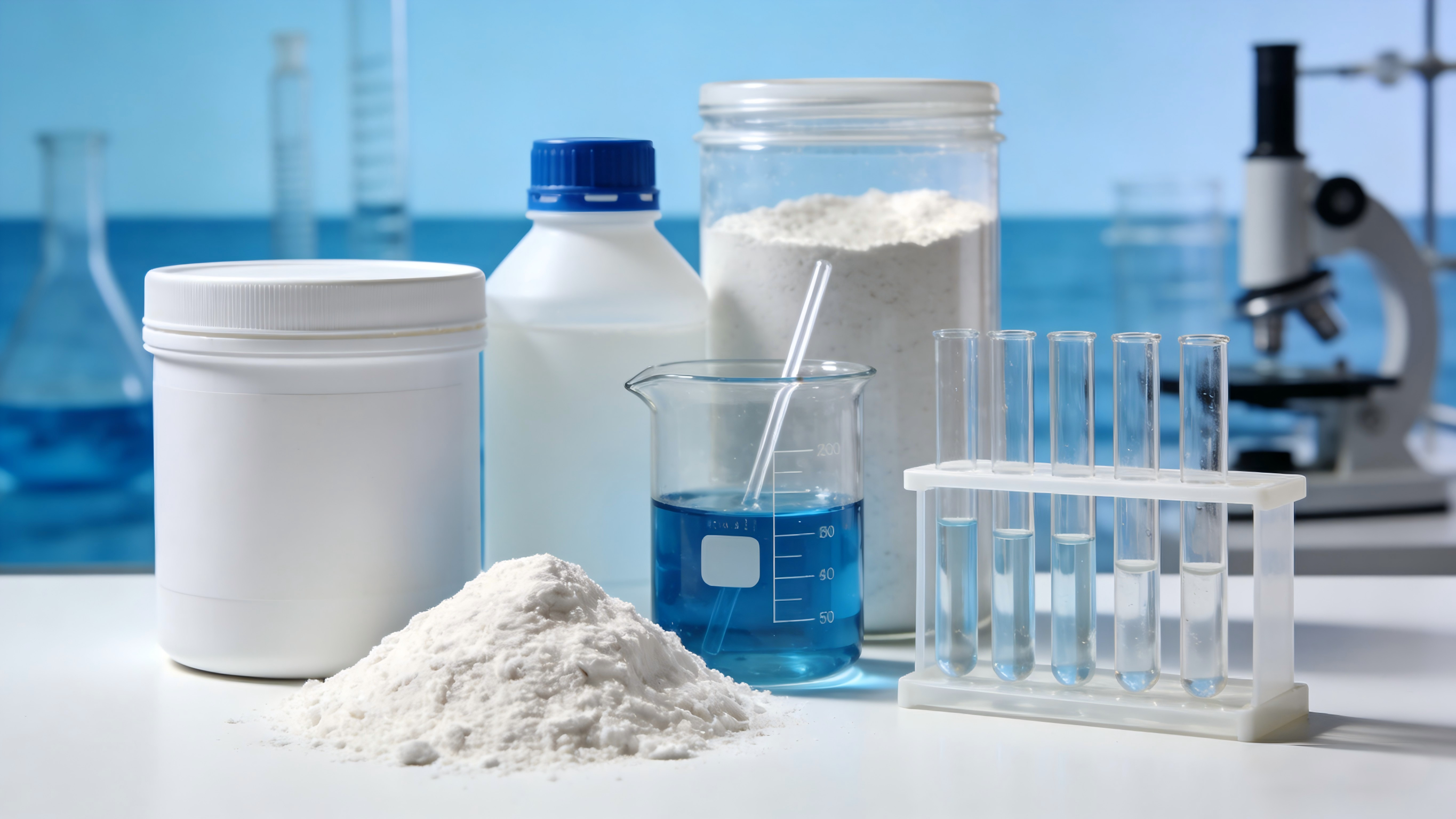
Calcium Hypochlorite Manufacturers for Distributors: Resale Opportunities B2B
Introduction
The global demand for calcium hypochlorite continues to expand across water treatment, sanitation, and industrial processing sectors. For distributors seeking reliable supply chains and profitable resale opportunities, partnering with established calcium hypochlorite manufacturers represents a strategic business decision. This comprehensive technical guide examines the critical specifications, quality standards, and market dynamics that B2B distributors must evaluate when selecting manufacturing partners for calcium hypochlorite distribution.
Calcium hypochlorite, chemically represented as Ca(OCl)₂ with CAS Number 7778-54-3, remains one of the most versatile oxidizing agents in commercial use. With molecular weight of 142.99 g/mol and available chlorine content ranging from 65% to 78% depending on grade specifications, this compound serves essential functions across municipal water treatment, swimming pool sanitation, industrial bleaching, and emergency disinfection applications.
Understanding Calcium Hypochlorite: Technical Fundamentals
Chemical Composition and Physical Properties
Calcium hypochlorite exists primarily in two commercial forms: granular and tablet. The chemical structure consists of calcium cations bonded with hypochlorite anions, creating a stable solid compound that releases chlorine upon dissolution in water.
Key Physical Characteristics:
| Property | Specification |
|---|---|
| Appearance | White to off-white granular powder or compressed tablets |
| Odor | Characteristic chlorine odor |
| Density | 2.35 g/cm³ (bulk density varies by form) |
| Solubility | 21g/100ml at 25°C |
| pH (1% solution) | 10.5-11.5 |
| Melting Point | Decomposes at 100°C |
| Shelf Life | 12-24 months under proper storage conditions |
Available Chlorine Content by Grade
The available chlorine content represents the most critical quality parameter for calcium hypochlorite. Manufacturing processes yield different grades suited for specific applications:
- Premium Grade: 70-78% available chlorine (swimming pool, potable water treatment)
- Standard Grade: 65-70% available chlorine (industrial sanitation, wastewater treatment)
- Economy Grade: 60-65% available chlorine (general disinfection, bleaching applications)
Industry Standards and Compliance Requirements
International Quality Standards
Distributors must verify manufacturer compliance with recognized international standards to ensure product quality and market acceptance:
ASTM Standards:
- ASTM D2023: Standard Test Method for Available Chlorine in Calcium Hypochlorite
- ASTM E346: Standard Test Methods for Analysis of Calcium Hypochlorite
ISO Standards:
- ISO 7393: Water quality determination of free and total chlorine
- ISO 9371: Guidelines for packaging and labeling of chemical oxidizers
Regional Standards:
- GB/T 10666-2019: Chinese National Standard for Calcium Hypochlorite (Bleaching Powder)
- EN 901: European Standard for chlorine-based disinfectants
Regulatory Compliance Considerations
Recent trade developments impact distribution strategies. As of January 2026, the U.S. International Trade Commission maintains anti-dumping and countervailing duty measures on calcium hypochlorite imports from certain regions. Distributors must navigate these regulations while developing supply chain resilience through diversified sourcing arrangements.
Key Compliance Areas:
- REACH registration (European Union)
- EPA registration (United States)
- GHS labeling requirements
- Transportation classification (UN 1748, Class 5.1 Oxidizer)
Manufacturing Process and Quality Control
Production Methods
Modern calcium hypochlorite manufacturing employs several production technologies:
Calcium Process:
Direct reaction of chlorine gas with calcium hydroxide slurry produces high-purity calcium hypochlorite. This method yields products with 70%+ available chlorine content and superior stability characteristics.
Sodium Process:
Alternative production route utilizing sodium hypochlorite intermediate, followed by calcium chloride reaction. This approach offers cost advantages while maintaining acceptable quality parameters for standard-grade applications.
Quality Control Parameters
Reputable manufacturers implement comprehensive quality assurance protocols:
| Test Parameter | Acceptance Criteria | Test Frequency |
|---|---|---|
| Available Chlorine | ±1% of labeled value | Every batch |
| Moisture Content | ≤5% (granular), ≤3% (tablet) | Every batch |
| Calcium Chloride | ≤15% | Weekly composite |
| Heavy Metals | As per regional regulations | Monthly |
| Particle Size Distribution | Per specification | Every batch |
| Stability (accelerated) | ≤10% chlorine loss after 14 days at 50°C | Quarterly |
Applications Driving Distributor Demand
Water Treatment Sector
Municipal and industrial water treatment represents the largest consumption segment for calcium hypochlorite. Key applications include:
- Potable Water Disinfection: Primary and secondary disinfection in treatment plants
- Swimming Pool Sanitation: Residential, commercial, and public facility maintenance
- Wastewater Treatment: Pathogen control before discharge
- Emergency Water Purification: Disaster response and humanitarian operations
Industrial Applications
Manufacturing and processing industries utilize calcium hypochlorite for:
- Textile Bleaching: Fabric whitening and preparation
- Food Processing: Equipment sanitation and surface disinfection
- Pulp and Paper: Bleaching operations
- Oil and Gas: Pipeline and equipment cleaning
Agricultural and Veterinary Uses
- Farm Sanitation: Livestock facility disinfection
- Crop Protection: Disease control in agricultural settings
- Veterinary Applications: Animal care facility hygiene
Distribution Partnership Considerations
Supply Chain Reliability
Distributors should evaluate manufacturer capabilities across multiple dimensions:
Production Capacity:
- Annual output exceeding 50,000 metric tons indicates established operations
- Multiple production lines reduce supply disruption risk
- Raw material sourcing stability ensures consistent availability
Logistics Infrastructure:
- Certified packaging facilities (UN-certified containers)
- Temperature-controlled storage capabilities
- Export documentation expertise
- Port proximity for international shipments
Pricing Structures and Terms
Competitive B2B partnerships require transparent pricing models:
- Volume-Based Pricing: Tiered discounts for container-load quantities
- Contract Pricing: Fixed-rate agreements for 6-12 month periods
- Payment Terms: LC, TT, or established credit arrangements
- Incoterms: FOB, CIF, or DDP options based on distributor preferences
Technical Support Requirements
Quality manufacturers provide comprehensive distributor support:
- Product technical data sheets (TDS)
- Safety data sheets (SDS) in multiple languages
- Application guidance and dosing calculations
- Regulatory compliance documentation
- Marketing materials for end-customer education
Storage and Handling Guidelines for Distributors
Warehouse Requirements
Proper storage conditions maintain product integrity and safety:
- Temperature: 15-25°C optimal, never exceed 40°C
- Humidity: Below 60% relative humidity
- Ventilation: Adequate air circulation required
- Separation: Isolate from acids, organics, and reducing agents
- Shelving: Non-combustible materials with proper load capacity
Packaging Specifications
Standard commercial packaging options include:
| Package Type | Net Weight | Applications |
|---|---|---|
| Plastic Drums | 45-50 kg | Industrial users |
| Fiber Drums | 45-50 kg | General distribution |
| Bulk Bags | 500-1000 kg | Large-scale operations |
| Tablets (buckets) | 5-25 kg | Swimming pool retail |
| Tablets (bulk) | 20-50 kg | Commercial pool service |
Market Trends and Growth Opportunities
Regional Demand Analysis
Asia-Pacific:
Rapid urbanization and expanding water infrastructure drive sustained demand. Manufacturing concentration in this region offers competitive pricing advantages for distributors.
North America:
Mature market with strict regulatory requirements. Premium-grade products command higher margins despite trade barrier considerations.
Europe:
REACH compliance creates entry barriers favoring established suppliers. Environmental regulations push demand toward stabilized formulations.
Latin America and Africa:
Emerging markets with significant growth potential. Infrastructure development projects create new distribution opportunities.
Emerging Application Segments
- Healthcare Facilities: Increased sanitation protocols post-pandemic
- Food Safety: Enhanced supply chain hygiene requirements
- Aquaculture: Water quality management in fish farming operations
- Disaster Preparedness: Government stockpiling for emergency response
Risk Management for Distributors
Quality Assurance Verification
Distributors should implement incoming quality verification protocols:
- Request certificate of analysis (COA) for each shipment
- Conduct independent laboratory testing for new suppliers
- Maintain sample retention for traceability
- Document chain of custody throughout distribution network
Liability Considerations
Proper risk mitigation strategies include:
- Product liability insurance coverage
- Clear terms and conditions with end customers
- Proper labeling and warning communication
- Training programs for handling personnel
- Incident response procedures
Conclusion
Calcium hypochlorite distribution presents significant B2B opportunities for partners who establish relationships with qualified manufacturers. Success requires thorough evaluation of technical specifications, compliance credentials, production capabilities, and supply chain reliability. Distributors who prioritize quality partnerships, maintain proper storage and handling protocols, and develop application expertise will capture growing market demand across water treatment, industrial, and sanitation sectors.
The evolving regulatory landscape and trade dynamics necessitate agile distribution strategies with diversified sourcing options. By understanding the technical fundamentals, industry standards, and market trends outlined in this guide, distributors can make informed decisions that maximize resale opportunities while ensuring product quality and customer satisfaction.
Frequently Asked Questions (FAQ)
Q1: What is the typical shelf life of calcium hypochlorite?
A: Properly stored calcium hypochlorite maintains specified available chlorine content for 12-24 months. Storage conditions significantly impact stability—temperature below 25°C, humidity below 60%, and protection from direct sunlight are essential. Premium grades with stabilizers may extend shelf life toward the upper range.
Q2: What minimum order quantities do manufacturers typically require?
A: Most established manufacturers accept container-load orders (20-25 metric tons per 20ft container). Some suppliers offer LCL (less than container load) options for trial orders, typically 5-10 metric tons. Long-term partnership agreements may enable more flexible quantity arrangements.
Q3: How do I verify manufacturer quality certifications?
A: Request current ISO 9001 quality management certification, product-specific registrations (EPA, REACH where applicable), and recent third-party laboratory test reports. Reputable manufacturers provide these documentation readily. Independent verification through industry references is recommended.
Q4: What are the primary differences between granular and tablet forms?
A: Granular calcium hypochlorite dissolves rapidly, suitable for batch treatment and industrial applications. Tablets provide controlled dissolution rates, ideal for swimming pool sanitization and continuous dosing systems. Both forms maintain equivalent available chlorine content when manufactured to same grade specifications.
Q5: How do trade regulations affect calcium hypochlorite sourcing?
A: Anti-dumping and countervailing duties apply to imports from certain countries into specific markets. As of 2026, U.S. imports from China face continued duty measures. Distributors should consult customs brokers and consider diversified sourcing from multiple manufacturing regions to mitigate trade risk.
Q6: What documentation is required for international shipments?
A: Standard export documentation includes commercial invoice, packing list, bill of lading, certificate of analysis, safety data sheet, and dangerous goods declaration (UN 1748). Import permits may be required depending on destination country regulations.
Q7: Can calcium hypochlorite be blended with other chemicals during distribution?
A: No. Calcium hypochlorite is a strong oxidizer and must never be mixed with acids, ammonia, organic materials, or reducing agents. Such combinations can produce toxic gases or cause fire/explosion hazards. Distributors must maintain strict segregation in storage and transportation.
Q8: What testing should distributors perform on incoming shipments?
A: Minimum verification should include available chlorine content (iodometric titration), moisture content, and visual inspection for packaging integrity. Comprehensive testing through accredited laboratories is recommended for new supplier qualification and periodic quality audits.
For additional technical information and partnership inquiries, visit our contact page at https://envochemical.com/contact-us/
