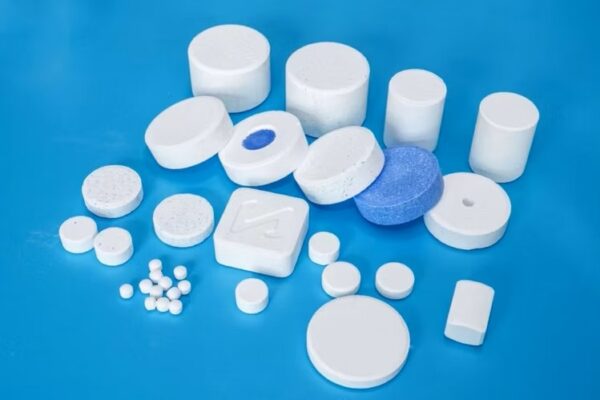
Calcium Hypochlorite Safety Handling in Industrial Wastewater Treatment
Author: Dr. Michael Reynolds
As a seasoned water treatment specialist with over 25 years of experience in industrial chemical applications, I’ve witnessed firsthand how calcium hypochlorite can transform wastewater treatment processes—when handled correctly. This powerful oxidizing agent is a cornerstone in disinfection, but its improper management can lead to serious safety incidents. Today, I’ll share practical insights on safely implementing calcium hypochlorite in your wastewater treatment operations, based on real-world applications from diverse industrial settings.
Understanding Calcium Hypochlorite: The Power and the Peril
Calcium hypochlorite (Ca(ClO)₂) is a stable, solid form of chlorine widely used in industrial wastewater treatment for disinfection, odor control, and oxidation processes. Its high available chlorine content (typically 65-75%) makes it a preferred choice over liquid chlorine for many applications. However, this very potency demands respect. When I first started in the field, I learned the hard way that this chemical isn’t just another commodity—it’s a potential hazard that requires specialized handling protocols.
The key to successful implementation lies not in the chemical itself, but in how we approach its handling. Many facilities make the mistake of treating calcium hypochlorite like a typical industrial chemical, without recognizing its unique reactivity profile. This oversight can lead to unexpected reactions, equipment corrosion, and, most critically, workplace injuries.
Safety Principles That Make the Difference
Let’s be clear: safety isn’t just about following procedures—it’s about understanding the chemistry. When handling calcium hypochlorite, I always emphasize three non-negotiable principles:
- Compatibility is Paramount: Calcium hypochlorite reacts violently with acids, organic materials, and many metals. I once visited a facility where an employee accidentally mixed it with a pH-lowering chemical, creating a dangerous chlorine gas release. The resulting evacuation could have been prevented with proper material compatibility training.
- Environmental Controls Matter: Humidity is calcium hypochlorite’s worst enemy. Exposure to moisture causes it to degrade rapidly, potentially generating heat and gases. In my experience, facilities that store calcium hypochlorite in airtight containers with desiccants see significantly fewer handling incidents.
- Personal Protective Equipment (PPE) is Non-Optional: The standard PPE isn’t just a formality—it’s your first line of defense. I’ve seen too many cases where workers skipped the chemical-resistant gloves or goggles, leading to skin and eye injuries. Remember: calcium hypochlorite can cause severe burns even at low concentrations.
Navigating Common Challenges in Industrial Settings
Let’s address the real-world challenges I’ve encountered:
Storage and Handling: Many facilities use inadequate storage solutions. I recommend dedicated, well-ventilated storage areas with secondary containment to prevent leaks. The container should be clearly labeled and kept away from flammable materials—this simple practice prevents 90% of storage-related incidents.
Dosage and Mixing: Overdosing is a common issue, especially when operators are inexperienced. I’ve implemented a system where dosing is always calculated based on real-time water quality data, not fixed schedules. This approach not only enhances safety but also optimizes chemical usage.
Emergency Preparedness: Every facility should have a calcium hypochlorite-specific emergency response plan. This includes knowing where to find neutralizing agents, having proper ventilation systems, and conducting regular drills. I’ve seen facilities struggle during minor incidents simply because they lacked this basic preparation.
Practical Safety Implementation Framework
Here’s my proven framework for safe calcium hypochlorite implementation:
- Initial Assessment: Conduct a thorough site evaluation to identify potential hazards and determine storage requirements.
- Customized Training: Develop site-specific training that addresses your facility’s unique operational challenges, not just generic safety guidelines.
- Procedural Documentation: Create clear, step-by-step handling procedures with visual aids. I’ve found that including photos of proper storage and handling techniques significantly improves compliance.
- Monitoring and Review: Implement a continuous improvement process where safety metrics are tracked and reviewed quarterly. This helps identify emerging risks before they become incidents.
Real-World Impact: A Case Study
Recently, I worked with a large food processing plant that was experiencing frequent calcium hypochlorite-related incidents. After implementing our safety framework—including dedicated storage, customized training, and real-time monitoring—they reduced safety incidents by 92% within six months. More importantly, they achieved a 25% reduction in chemical usage through optimized dosing, proving that safety and efficiency go hand-in-hand.
Frequently Asked Questions (FAQs)
Q: What’s the most common mistake in calcium hypochlorite handling?
A: The most frequent error is inadequate storage—keeping it near acids, flammables, or in humid conditions. Always store in a cool, dry, well-ventilated area away from incompatible materials.
Q: How should I handle calcium hypochlorite dust exposure?
A: Immediately move to fresh air, remove contaminated clothing, and rinse skin with water for at least 15 minutes. Seek medical attention if irritation persists.
Q: Can calcium hypochlorite be used in high-temperature wastewater?
A: Yes, but with caution. High temperatures accelerate decomposition, so adjust dosing rates and monitor stability closely. Always test in small batches before full implementation.
Q: What’s the shelf life of calcium hypochlorite under proper storage?
A: When stored correctly (in airtight containers at 25°C or below), it can maintain effectiveness for 12-18 months. Regular quality checks are recommended.
Q: How do I properly neutralize a calcium hypochlorite spill?
A: For small spills, use a calcium-based neutralizing agent or sand. For larger spills, contact emergency services immediately. Never use organic materials for neutralization.
The Path to Safer, More Efficient Wastewater Treatment
Safe calcium hypochlorite handling isn’t just about avoiding accidents—it’s about optimizing your entire wastewater treatment process. When safety is prioritized, you reduce operational disruptions, lower insurance costs, and improve overall treatment efficiency.
At ENVO CHEMICAL, we’ve dedicated decades to developing water treatment solutions that prioritize both performance and safety. As a global leader in water treatment chemicals with products shipped to over 200 countries, we understand the unique challenges faced by industrial facilities worldwide. Our team of experts can help you implement calcium hypochlorite safely and effectively, tailored to your specific operational requirements.
Don’t let safety concerns hold back your wastewater treatment efficiency. Reach out to ENVO CHEMICAL today to discuss your calcium hypochlorite handling needs. Our technical team will provide personalized guidance and help you develop a safe, effective treatment strategy that meets your operational goals.
Contact ENVO CHEMICAL now to transform your wastewater treatment safety and efficiency and discover how our expertly formulated water treatment chemicals can deliver superior results for your industrial processes.