
Calcium Hypochlorite vs Alternatives: Best Choice for Agriculture
Water is the lifeblood of any agricultural operation. Yet, it is also one of the most common vectors for disease, crop loss, and infrastructure degradation. As someone who has spent decades advising large-scale farming cooperatives and agricultural chemical distributors, I have seen firsthand how the wrong choice in water disinfection can quietly erode profit margins. The debate often centers on one specific compound: Calcium Hypochlorite. But is it truly the superior option compared to modern alternatives?
Today, we are cutting through the marketing noise. This isn’t just about chemistry; it is about operational efficiency, cost management, and crop safety. If you are procurement manager or an agricultural consultant looking for the best water treatment solution, this analysis is for you.
The Critical Role of Water Disinfection in Modern Agriculture
Before we dive into the chemical comparisons, we must establish why disinfection matters. In controlled environment agriculture, hydroponics, and even traditional irrigation, waterborne pathogens like Pythium, Fusarium, and Phytophthora are silent killers. They do not just affect the current harvest; they contaminate the soil and irrigation lines for seasons to come.
Moreover, biofilm accumulation in drip irrigation systems is a logistical nightmare. It reduces flow rates, increases pressure requirements, and creates micro-environments where pathogens thrive. Effective disinfection is not optional; it is a core component of asset protection. The challenge lies in selecting an agent that balances efficacy with safety and cost.
Understanding Calcium Hypochlorite: The Stable Powerhouse
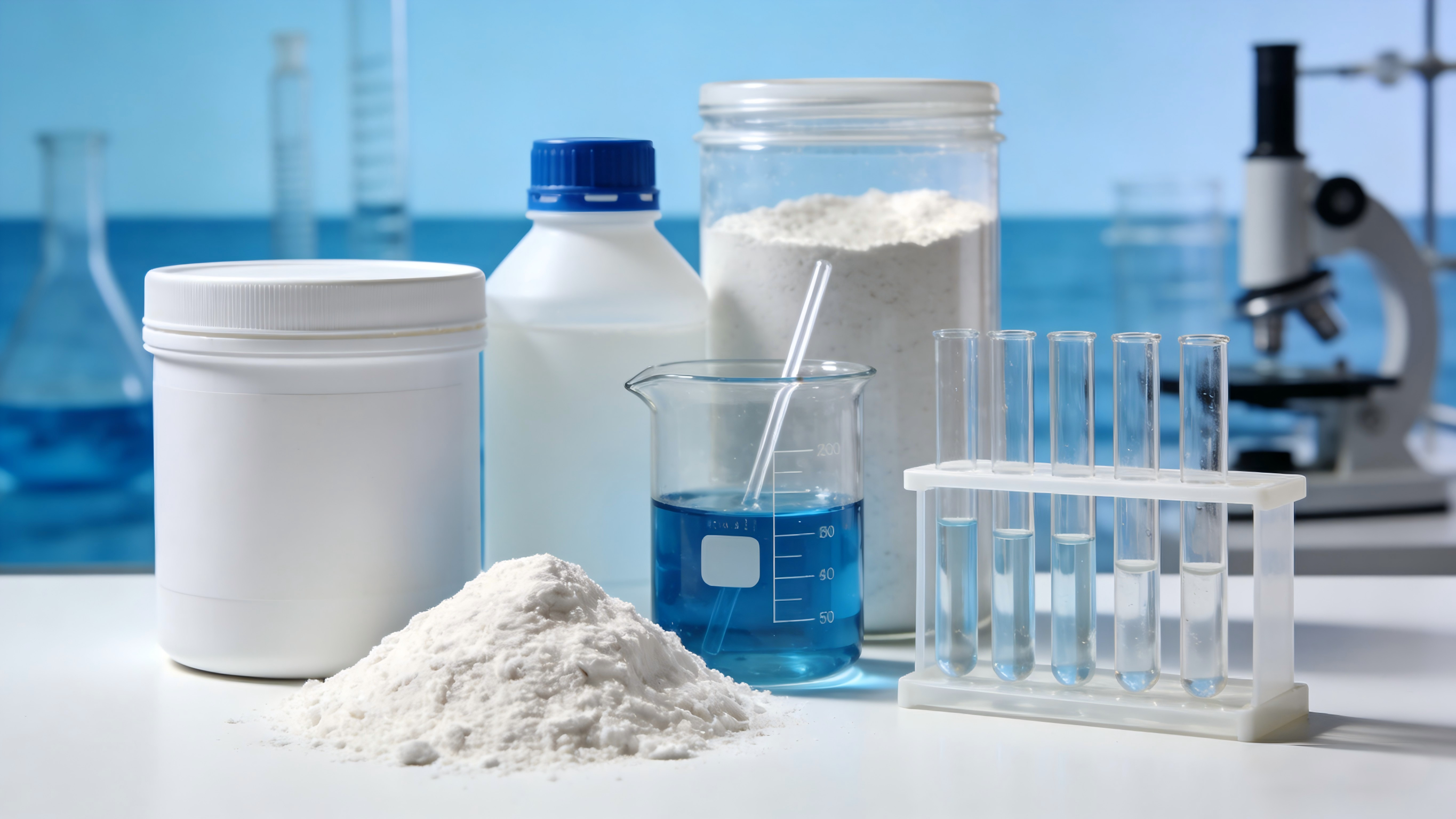
Calcium Hypochlorite, often referred to as Cal Hypo, has been a staple in the industry for good reason. It is a solid compound, typically available in granular or tablet form, with a high available chlorine content, usually ranging between 65% to 70%.
From a logistics standpoint, this stability is a game-changer. Unlike liquid alternatives, Cal Hypo does not degrade rapidly over time if stored correctly. I have visited warehouses where liquid bleach had lost significant potency within months due to poor temperature control, whereas Cal Hypo drums remained effective for years. For B2B buyers managing supply chains across distant regions, this shelf life reduces waste and ensures consistent dosing.
Its high concentration means you are shipping less water weight. This translates to lower freight costs per unit of active chlorine, a crucial factor when calculating the total cost of ownership for large-scale agricultural projects.
Comparing the Contenders: Sodium Hypochlorite and Beyond
To make an informed decision, we must look at the competition. The most common alternative is Sodium Hypochlorite (liquid bleach).
Sodium Hypochlorite (Liquid Bleach)
Liquid bleach is convenient for automated dosing systems because it requires no dissolution step. However, it typically contains only 10-15% available chlorine. The rest is water and salt. Over time, decomposition occurs, releasing oxygen and reducing strength. In hot climates, which many agricultural zones are, this degradation accelerates. I have consulted for farms in arid regions where liquid chlorine deliveries had to be doubled because the product arrived weaker than specified. There is also the safety hazard of transporting large volumes of corrosive liquid.
Chlorine Dioxide
Chlorine Dioxide is a potent oxidizer, often praised for not forming trihalomethanes (THMs). It is excellent for biofilm removal. However, the generation equipment is complex and expensive. It requires on-site generation using precursor chemicals, which adds a layer of operational risk and maintenance. For a farm manager who needs reliability over complexity, this can be a deterrent.
UV and Ozone
Non-chemical methods like UV and Ozone are gaining traction. They leave no residue, which is beneficial for certain organic certifications. Yet, they offer no residual protection. Once the water leaves the treatment chamber, it is vulnerable to re-contamination in the storage tanks or distribution lines. Calcium Hypochlorite provides a residual chlorine level that continues to protect the water throughout the irrigation network.
Why Cal Hypo Often Wins for B2B Agricultural Operations
After evaluating dozens of facilities, I tend to recommend Calcium Hypochlorite for most large-scale agricultural applications, provided safety protocols are followed. Here is why it often emerges as the best choice.
1. Cost Efficiency at Scale
When you break down the cost per kilogram of active chlorine, Cal Hypo is frequently more economical than liquid bleach, especially when factoring in shipping and storage losses. For procurement officers managing annual budgets, this predictability is vital.
2. Storage and Handling
Solids are easier to stack and store than drums of liquid. They require less containment infrastructure in case of leaks. While dust control is necessary, the risk of a catastrophic spill is lower compared to thousands of liters of liquid acid or bleach.
3. Versatility in Application
Whether you are treating reservoir water, cleaning irrigation lines, or managing post-harvest wash water, Cal Hypo is versatile. It can be pre-dissolved in a stock tank or used in automated erosion feeders. This flexibility allows it to fit into existing infrastructure without requiring costly retrofits.
4. Crop Safety Profile
When used correctly, Calcium Hypochlorite breaks down into calcium and chloride. Calcium is actually a beneficial nutrient for plants, strengthening cell walls. While excessive chlorine is harmful, the calcium byproduct distinguishes it from sodium-based alternatives, which can lead to soil salinity issues over time. In sensitive soil profiles, minimizing sodium load is a long-term strategic advantage.
Implementation Best Practices for Maximum ROI
Choosing the chemical is only half the battle. Implementation determines success. Based on my field experience, here are critical considerations for deploying Calcium Hypochlorite.
- Filtration First: Always filter water before chlorination. Organic matter consumes chlorine rapidly. If your water is turbid, you will waste chemicals trying to overcome the chlorine demand.
- Contact Time: Ensure there is sufficient retention time in the tank. Flash mixing is not enough. The water needs time to react with pathogens.
- Monitoring Residuals: Invest in reliable ORP (Oxidation-Reduction Potential) or chlorine residual meters. Do not guess. Over-dosing can damage crop leaves during overhead irrigation, while under-dosing leaves the system vulnerable.
- Safety Training: Even though it is a solid, Cal Hypo is a strong oxidizer. Ensure staff are trained on proper PPE, storage segregation (never mix with acids or fertilizers), and spill response.
Conclusion
In the complex landscape of agricultural water treatment, there is no one-size-fits-all solution. However, Calcium Hypochlorite offers a compelling balance of stability, cost-effectiveness, and efficacy that makes it the preferred choice for many B2B agricultural operations. While alternatives like Chlorine Dioxide or UV have their niche, the logistical advantages and residual protection of Cal Hypo are hard to beat for large-scale irrigation and processing needs.
Making the switch or optimizing your current dosing strategy can lead to significant improvements in crop health and system longevity. It is about securing your yield against invisible threats. If you are looking to refine your water treatment protocol, understanding the nuances of these chemicals is the first step toward a more resilient agricultural enterprise.
FAQ
Q: Is Calcium Hypochlorite safe for organic farming?
A: Regulations vary by region and certification body. Generally, synthetic chlorine products are restricted in organic production, though some allowances exist for water disinfection where no residue remains on the final product. Always consult your certifier.
Q: How does storage temperature affect Calcium Hypochlorite?
A: Heat and moisture are the enemies. Store in a cool, dry, well-ventilated area. High temperatures can accelerate decomposition, reducing available chlorine over time.
Q: Can I use Calcium Hypochlorite with fertilizer tanks?
A: No. Never mix chlorine products directly with fertilizers, especially those containing nitrogen or acids. This can create hazardous gases or explosive reactions. Inject chlorine upstream from fertilizer injection points.
Q: What is the typical dosage for irrigation line cleaning?
A: Shock chlorination for biofilm removal typically requires higher ppm levels (50-100 ppm) for a specific duration, whereas maintenance dosing is much lower (1-5 ppm). Conduct a water test to determine exact chlorine demand.
Q: Does Calcium Hypochlorite raise the pH of water?
A: Yes, it is alkaline. When dissolved, it raises the pH of the solution. In some cases, you may need to add acid to neutralize the water before it reaches the crops to prevent nutrient lockout.
Author: Dr. Elias Thorne
