
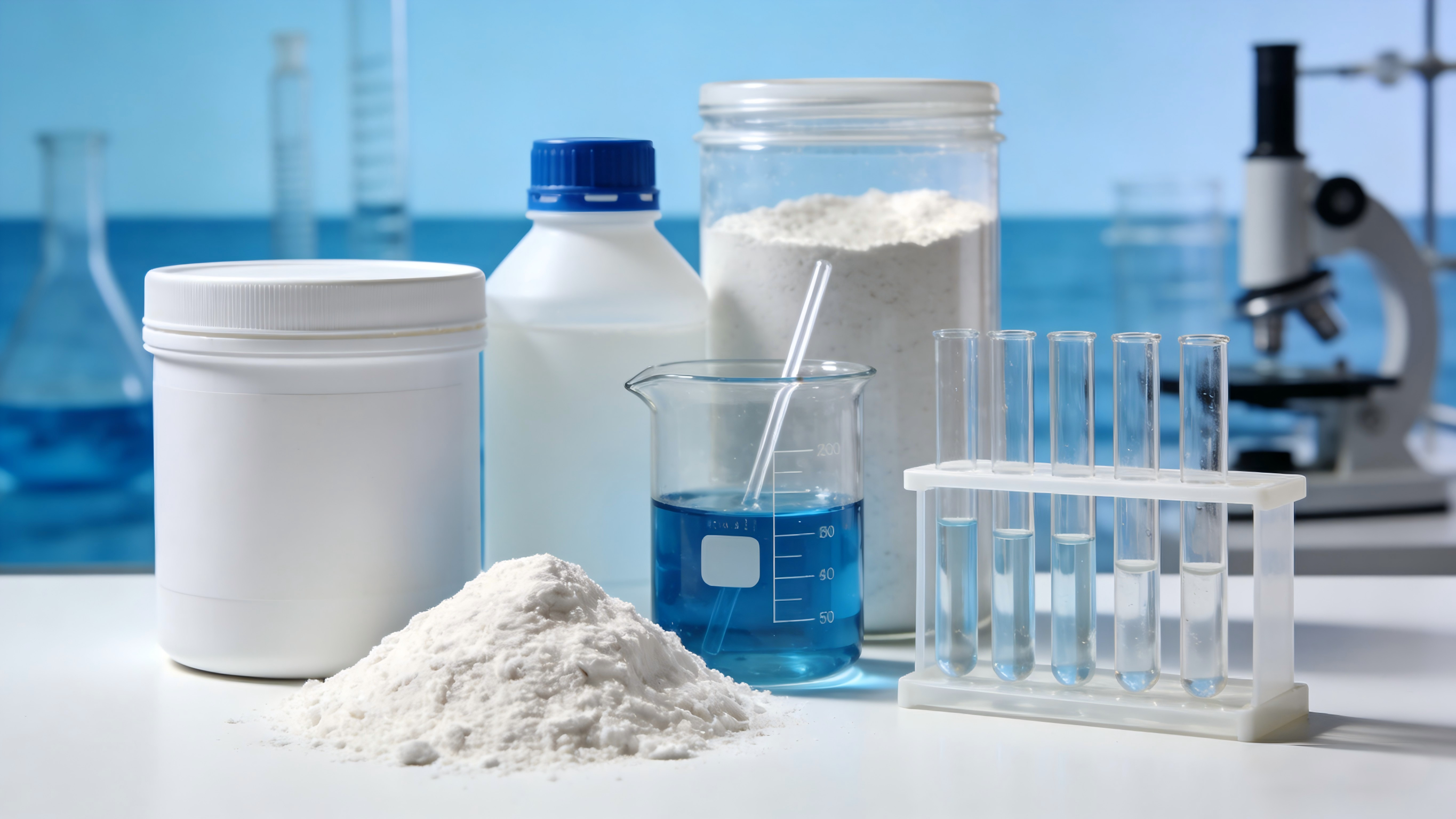
Calcium Hypochlorite vs Alternatives: Best Choice for Pharmaceutical
Introduction
In the pharmaceutical industry, maintaining stringent hygiene and disinfection standards is not optional—it is a regulatory requirement. Selecting the right disinfectant directly impacts product safety, GMP compliance, and operational efficiency. Among various options, calcium hypochlorite has emerged as a prominent choice for water treatment, surface disinfection, and equipment sanitization. However, pharmaceutical manufacturers often face a critical question: Is calcium hypochlorite the best choice compared to alternatives like sodium hypochlorite, chlorine dioxide, or peracetic acid?
This comprehensive guide examines calcium hypochlorite’s advantages, limitations, and how it compares to other disinfectants in pharmaceutical applications. Our goal is to help B2B buyers make informed decisions that align with their production requirements, compliance standards, and budget considerations.
Understanding Calcium Hypochlorite in Pharmaceutical Applications
Chemical Properties and Mechanism
Calcium hypochlorite (Ca(OCl)₂, CAS 7778-54-3) is a white granular or powdered compound with strong oxidizing properties. When dissolved in water, it releases hypochlorous acid—the active disinfecting agent that destroys bacteria, viruses, and fungi by oxidizing cellular components. With an available chlorine content typically ranging from 65% to 70%, it offers superior disinfection power compared to many liquid alternatives.
The compound maintains a pH of approximately 11.5 in 5% solution, making it highly alkaline. This characteristic enhances its stability during storage but requires careful handling and dilution protocols in pharmaceutical facilities.
Primary Pharmaceutical Applications
Water Purification Systems: Calcium hypochlorite is extensively used in pharmaceutical water treatment, including purified water (PW) and water for injection (WFI) pre-treatment stages. Its effectiveness against biofilm formation makes it invaluable for maintaining water system integrity.
Surface and Equipment Disinfection: Production areas, cleanrooms, and manufacturing equipment require regular sanitization. Calcium hypochlorite solutions provide broad-spectrum antimicrobial activity suitable for non-critical surface disinfection.
Waste Treatment: Pharmaceutical wastewater containing organic contaminants can be effectively treated using calcium hypochlorite’s oxidizing capabilities before discharge, ensuring environmental compliance.
Key Alternatives Comparison
Sodium Hypochlorite: The Liquid Alternative
Sodium hypochlorite (NaOCl) is the most common alternative to calcium hypochlorite. While both release hypochlorous acid in solution, key differences exist:
Storage Stability: Calcium hypochlorite offers superior shelf life, maintaining effectiveness for 12-24 months when stored properly. Sodium hypochlorite degrades faster, typically losing 10-20% available chlorine within six months.
Concentration Efficiency: With 65-70% available chlorine, calcium hypochlorite requires smaller quantities than sodium hypochlorite (10-15% available chlorine) to achieve equivalent disinfection levels, reducing storage space requirements.
Transportation Costs: The solid form of calcium hypochlorite reduces shipping weight and volume compared to liquid sodium hypochlorite, offering logistical advantages for international pharmaceutical manufacturers.
Safety Considerations: Sodium hypochlorite presents lower dust inhalation risks but higher spill hazards. Calcium hypochlorite requires careful handling to prevent dust exposure but offers contained solid storage.
Chlorine Dioxide: The Specialized Option
Chlorine dioxide provides superior disinfection at lower concentrations and works effectively across wider pH ranges. However, it requires on-site generation equipment, increasing capital investment. For large-scale pharmaceutical facilities with complex water systems, chlorine dioxide may justify the additional cost through reduced byproduct formation.
Peracetic Acid: The Premium Choice
Peracetic acid offers excellent antimicrobial activity without forming chlorinated byproducts, making it suitable for sensitive applications. However, its higher cost (3-5 times that of calcium hypochlorite) and shorter shelf life limit widespread adoption to specific high-value processes.
Decision-Making Factors for Pharmaceutical Companies
Regulatory Compliance Requirements
GMP guidelines require documented disinfection protocols with validated efficacy. Calcium hypochlorite’s well-established track record simplifies validation processes compared to newer alternatives. Regulatory agencies worldwide recognize its safety profile when used according to established concentrations.
Cost-Benefit Analysis
Total cost of ownership extends beyond purchase price. Consider:
- Initial Investment: Calcium hypochlorite typically costs 20-30% less per available chlorine unit than sodium hypochlorite
- Storage Infrastructure: Solid form requires less specialized containment than liquid alternatives
- Waste Disposal: Lower volumes reduce disposal costs and environmental impact
- Labor Efficiency: Longer shelf life reduces frequency of inventory management
Operational Compatibility
Existing infrastructure significantly influences selection. Facilities with solid chemical handling systems benefit from calcium hypochlorite, while those equipped for liquid dosing may prefer sodium hypochlorite. Transition costs should factor into long-term planning.
Safety and Training Requirements
All chlorine-based disinfectants require proper training. Calcium hypochlorite demands specific protocols for dust control and moisture prevention. Investment in safety equipment and training programs ensures compliant operations regardless of chosen disinfectant.
Conclusion: Making the Right Choice
There is no universal “best” disinfectant for all pharmaceutical applications. Calcium hypochlorite excels in scenarios requiring long-term storage, cost efficiency, and proven regulatory acceptance. Its high available chlorine content and solid form offer distinct advantages for water treatment and general facility disinfection.
However, specific applications may warrant alternative solutions. High-purity processes might benefit from peracetic acid’s byproduct-free profile, while facilities prioritizing operational simplicity may prefer sodium hypochlorite’s liquid handling characteristics.
The optimal decision requires evaluating your facility’s specific needs, existing infrastructure, regulatory requirements, and total cost considerations. Partnering with experienced chemical suppliers who understand pharmaceutical industry demands ensures access to high-quality products, technical support, and compliance documentation.
For pharmaceutical manufacturers seeking reliable calcium hypochlorite supplies with comprehensive quality certificates and technical support, professional chemical suppliers offer tailored solutions matching your production scale and compliance requirements.
FAQ
Q1: What concentration of calcium hypochlorite is recommended for pharmaceutical water treatment?
A: For pharmaceutical water pre-treatment, concentrations typically range from 1-5 ppm free chlorine residual. Specific requirements depend on water quality, system design, and regulatory standards. Always validate concentrations through regular monitoring.
Q2: How long can calcium hypochlorite be stored before losing effectiveness?
A: Properly stored in cool, dry conditions away from moisture and direct sunlight, calcium hypochlorite maintains 90%+ available chlorine for 12-24 months. Regular testing ensures ongoing efficacy.
Q3: Is calcium hypochlorite GMP compliant for pharmaceutical applications?
A: Yes, calcium hypochlorite is widely accepted in pharmaceutical applications when sourced from qualified suppliers providing appropriate quality documentation, including Certificates of Analysis and compliance certificates meeting pharmacopoeia standards.
Q4: What safety precautions are necessary when handling calcium hypochlorite?
A: Required precautions include proper ventilation, dust masks, eye protection, and chemical-resistant gloves. Avoid contact with acids, organic materials, and moisture. Store separately from incompatible substances in dedicated chemical storage areas.
Q5: Can calcium hypochlorite replace sodium hypochlorite in existing systems?
A: Transition is possible but requires system evaluation. Solid handling equipment, dissolution systems, and dosing protocols may need modification. Consult with chemical suppliers for transition planning and technical support.
Q6: What documentation should pharmaceutical buyers request from calcium hypochlorite suppliers?
A: Essential documentation includes Certificate of Analysis, Safety Data Sheet (SDS), GMP compliance certificates, batch traceability records, and stability data. Reputable suppliers provide comprehensive quality documentation supporting regulatory audits.
Ready to optimize your pharmaceutical disinfection strategy? Contact our team for customized calcium hypochlorite solutions and technical consultation.
