
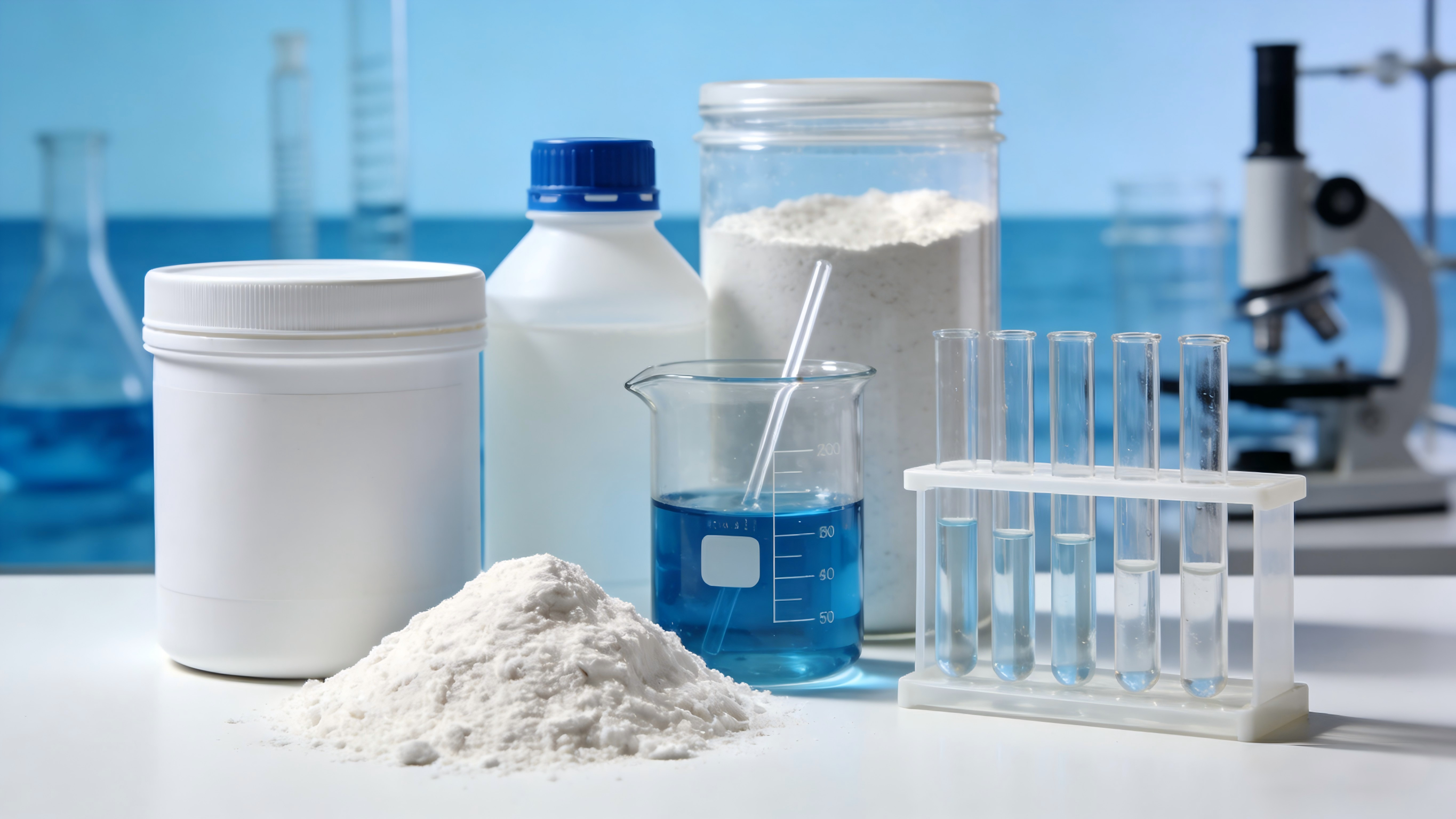
Calcium Hypochlorite Wholesalers for Clinics: Medical Supplies
Introduction
In today’s healthcare landscape, maintaining impeccable sanitation standards isn’t just a regulatory requirement—it’s a matter of patient safety and institutional reputation. As someone who has spent over fifteen years in the water treatment and disinfection chemical industry, I’ve witnessed firsthand how critical the right disinfectant selection can be for medical facilities. Calcium hypochlorite stands out as one of the most reliable, cost-effective solutions for clinic disinfection needs, yet finding trustworthy wholesalers who understand medical-grade specifications remains a challenge for many procurement managers.
This article dives deep into what clinic administrators, hospital procurement teams, and medical supply distributors need to know when sourcing calcium hypochlorite from wholesale suppliers. Whether you’re managing a small outpatient clinic or a multi-location healthcare network, understanding the nuances of supplier selection, product specifications, and compliance requirements will save you time, money, and potential regulatory headaches.
Why Calcium Hypochlorite Remains the Gold Standard for Medical Disinfection
Superior Disinfection Power
Calcium hypochlorite, with its chemical formula Ca(OCl)₂ and CAS number 7778-54-3, delivers powerful oxidizing capabilities that effectively eliminate bacteria, viruses, and fungi commonly found in clinical environments. Unlike some alternative disinfectants that lose efficacy over time, properly stored calcium hypochlorite maintains its potency for extended periods, making it ideal for facilities that need reliable inventory management.
The available chlorine content typically ranges from 65% to 70% in commercial-grade products, providing exceptional value compared to liquid bleach solutions that contain significantly lower active chlorine concentrations. This concentration advantage means you use less product to achieve the same disinfection results, directly impacting your facility’s operational budget.
Cost-Effectiveness for High-Volume Users
Healthcare facilities operate on tight margins, and disinfection costs can add up quickly. Calcium hypochlorite in granular or tablet form offers substantial savings over liquid alternatives when purchased through established wholesale channels. The reduced transportation weight and volume also translate to lower shipping costs—a factor that becomes increasingly important for clinics in remote locations or those managing multiple facilities.
From my experience working with healthcare procurement teams, switching to calcium hypochlorite from liquid bleach can reduce annual disinfection chemical expenditures by 30-40%, depending on facility size and usage patterns.
Critical Specifications for Medical-Grade Calcium Hypochlorite
Purity and Contaminant Levels
Not all calcium hypochlorite products are created equal. Medical facilities require grades that meet stringent purity standards to avoid introducing unwanted contaminants into sensitive environments. When evaluating wholesale suppliers, insist on comprehensive certificates of analysis that detail:
- Available chlorine percentage (minimum 65% for most medical applications)
- Moisture content (should not exceed 5%)
- Heavy metal concentrations (must comply with local health regulations)
- Particle size distribution (affects dissolution rate and application consistency)
Packaging and Storage Requirements
Proper packaging protects product integrity during transportation and storage. Look for suppliers who offer:
- Moisture-resistant containers with secure sealing mechanisms
- Clear labeling with batch numbers and expiration dates
- Compliance with hazardous materials transportation regulations
- Options for various container sizes to match your facility’s consumption patterns
I’ve seen too many clinics receive compromised products due to inadequate packaging. A reputable wholesaler understands that calcium hypochlorite is hygroscopic and takes appropriate precautions throughout the supply chain.
Selecting the Right Wholesale Supplier for Your Clinic
Evaluating Supplier Credentials
The wholesale chemical market includes countless suppliers, but only a fraction specialize in medical-grade products with the documentation healthcare facilities require. When vetting potential partners, consider:
Certification Status: ISO 9001 certification demonstrates quality management commitment. Additional certifications like REACH compliance indicate awareness of international regulatory standards.
Production Capacity: Ensure the supplier can consistently meet your volume requirements without compromising quality. Facilities producing less than 1000 tons monthly may struggle during peak demand periods.
Technical Support: The best wholesalers provide more than just products. They offer technical guidance on proper dilution ratios, application methods, and safety protocols tailored to medical environments.
Understanding Pricing Structures
Wholesale pricing for calcium hypochlorite varies significantly based on order volume, payment terms, and delivery arrangements. Current market rates typically range from $500 to $1,300 per ton, with substantial discounts available for committed annual contracts.
Payment terms also impact effective pricing. Suppliers offering L/C (Letter of Credit) or T/T (Telegraphic Transfer) options provide flexibility for different procurement budgets. Be wary of suppliers demanding full prepayment without established credit relationships.
Regulatory Compliance and Documentation
International Trade Considerations
Recent trade developments have significantly impacted calcium hypochlorite sourcing. As of January 2026, the U.S. International Trade Commission maintained anti-dumping and countervailing duties on Chinese-origin calcium hypochlorite following sunset review determinations. This means clinics importing directly from certain regions may face additional tariffs affecting total landed costs.
Smart procurement teams work with wholesalers who have established compliant supply chains and can provide complete customs documentation. This includes proper HS codes, country of origin certificates, and safety data sheets meeting destination country requirements.
Safety Data Sheet Requirements
Every calcium hypochlorite shipment must include current Safety Data Sheets (SDS) compliant with GHS (Globally Harmonized System) standards. These documents provide essential information for:
- Safe handling procedures
- Emergency response protocols
- Storage requirements
- Disposal guidelines
Ensure your supplier updates SDS documents regularly and provides them in languages appropriate for your staff.
Common Challenges and Solutions
Supply Chain Reliability
Global supply chain disruptions have taught healthcare facilities the importance of diversified sourcing. Relying on a single supplier creates vulnerability. Consider establishing relationships with two or three qualified wholesalers to ensure continuity during unexpected disruptions.
Quality Consistency
Batch-to-batch variation can affect disinfection efficacy. Request that suppliers provide quality consistency guarantees and maintain records of previous batch analyses. This documentation becomes valuable during regulatory audits or if quality issues arise.
Staff Training Requirements
Even the best disinfectant product fails if staff don’t use it correctly. Reputable wholesalers often provide training materials or can connect you with training resources. Invest in proper staff education to maximize product effectiveness and maintain workplace safety.
Making the Final Decision
Choosing a calcium hypochlorite wholesaler requires balancing multiple factors: price, quality, reliability, and support. Don’t make decisions based solely on unit cost. A slightly higher price from a supplier with superior documentation, consistent quality, and responsive customer service often provides better long-term value.
Request samples before committing to large orders. Test products in your specific application environment to verify performance meets expectations. Establish clear communication channels with your supplier’s technical team before finalizing contracts.
Frequently Asked Questions
Q1: What concentration of calcium hypochlorite is recommended for clinic surface disinfection?
A: For general surface disinfection in clinical settings, solutions containing 500-1000 ppm available chlorine are typically effective. This usually requires diluting 65-70% calcium hypochlorite at ratios between 1:100 to 1:200, depending on specific product concentration and contamination levels.
Q2: How long does calcium hypochlorite remain effective in storage?
A: Properly stored in cool, dry conditions with sealed containers, calcium hypochlorite maintains effectiveness for 2-3 years from manufacture date. However, available chlorine content gradually decreases over time. For critical medical applications, consider rotating inventory to use products within 18 months of production.
Q3: Can calcium hypochlorite be used on all medical equipment surfaces?
A: No. Calcium hypochlorite solutions can corrode certain metals and damage some plastics. Always consult equipment manufacturer guidelines before application. For sensitive instruments, consider alternative disinfectants or ensure thorough rinsing after calcium hypochlorite treatment.
Q4: What documentation should I request from wholesale suppliers?
A: Request certificates of analysis for each batch, current Safety Data Sheets, proof of ISO or relevant quality certifications, and country of origin documentation. For imported products, ensure customs compliance documentation is complete and accurate.
Q5: How do I verify a supplier’s reliability before placing large orders?
A: Check business references from other healthcare facilities, verify certifications through issuing organizations, request product samples for testing, and start with smaller trial orders before committing to significant volumes. Online reviews and industry association memberships can also provide insight into supplier reputation.
Selecting the right calcium hypochlorite wholesaler directly impacts your clinic’s infection control effectiveness and operational efficiency. Take time to evaluate potential partners thoroughly, prioritize quality and compliance over marginal cost savings, and build relationships with suppliers who understand the unique demands of medical facility disinfection.
Author: Dr. Marcus Richardson
Ready to discuss your clinic’s calcium hypochlorite requirements? Visit our contact page to connect with our technical team: https://envochemical.com/contact-us/
