
Chlorine vs TCCA: Optimal Choice for Industrial Wastewater Treatment
Industrial wastewater treatment demands precise chemical selection to ensure compliance, efficiency, and cost-effectiveness. When choosing between chlorine and trichloroisocyanuric acid (TCCA), understanding their distinct properties is critical. This guide clarifies which solution best aligns with your operational needs.
Chemical Behavior & Stability
Chlorine (gas or liquid) delivers rapid disinfection but requires complex handling. It reacts aggressively with organic matter, generating harmful byproducts like trihalomethanes (THMs) and demanding precise pH control (6.5–7.5). Storage involves high-pressure tanks, posing safety risks.
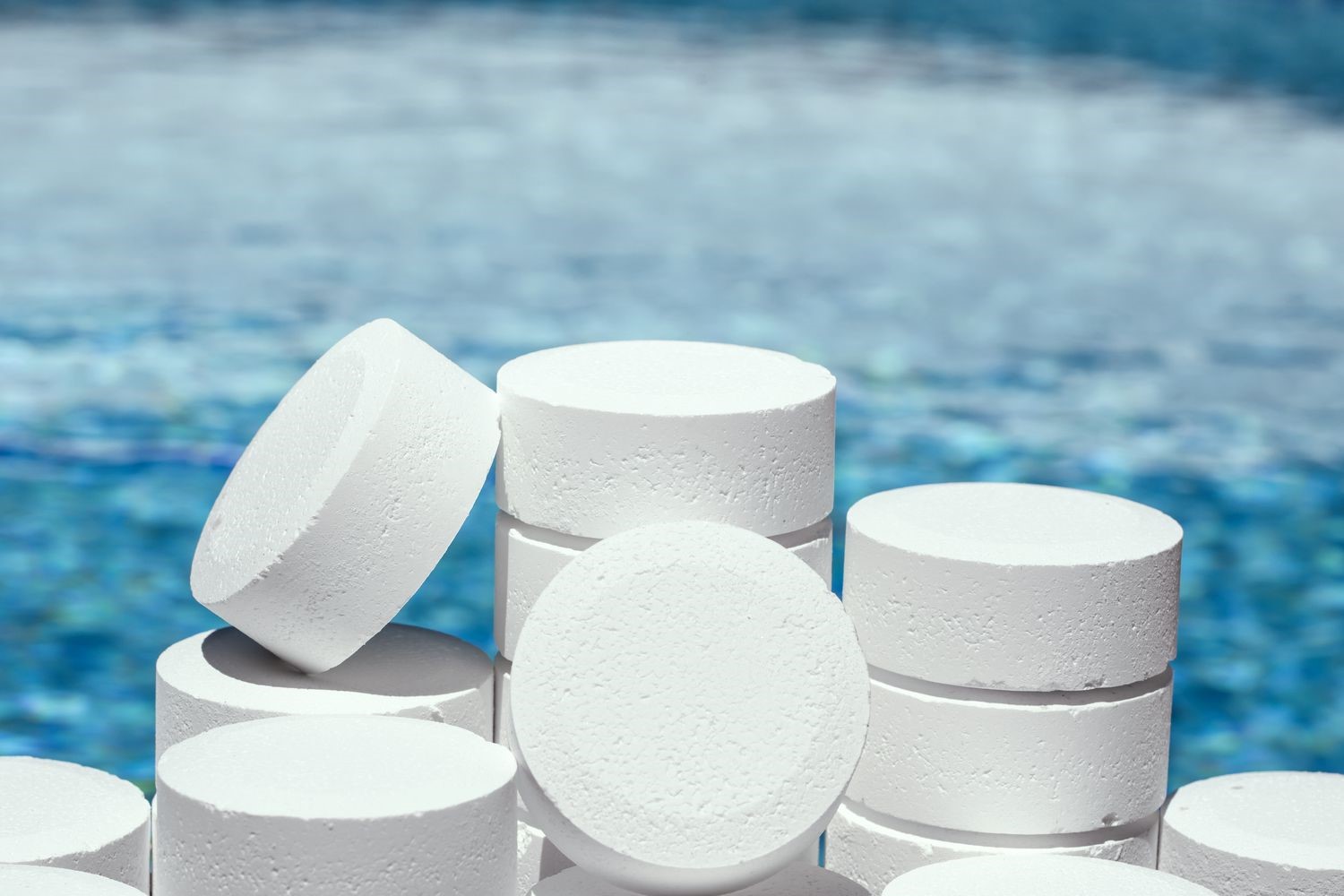
TCCA, a solid slow-release compound, offers superior stability. It dissolves gradually, maintaining consistent residual chlorine levels over 24–72 hours. Its neutral pH (6.0–7.0) minimizes corrosion and avoids THM formation, making it ideal for fluctuating wastewater streams.
Cost & Operational Efficiency
While chlorine has a lower per-unit cost, hidden expenses erode its advantage:
- Chlorine: Requires $15k–$50k for gas handling infrastructure, trained operators, and emergency protocols.
- TCCA: Eliminates gas infrastructure; 50kg bags cost 15–20% more than equivalent chlorine but reduce labor and safety costs by 30%. For a 500m³/day plant, TCCA lowers total operational costs by ~$12k annually.
Regulatory & Environmental Compliance
Regulations increasingly restrict chlorine use due to safety and byproduct concerns. TCCA, classified as a “safer alternative” under EPA guidelines, simplifies compliance. Its slow-release mechanism also reduces chlorinated organic pollutants, aligning with stricter discharge standards.
Application-Specific Recommendations
- Choose Chlorine for:
High-flow, constant-volume systems (e.g., municipal plants) with dedicated safety teams. - Choose TCCA for:
Industrial facilities with variable flow (e.g., food processing, textile dyeing), remote sites, or where safety and regulatory simplicity are priorities.
Why ENVO CHEMICAL Delivers the Right Solution
ENVO CHEMICAL specializes in tailored wastewater treatment chemicals for complex industrial environments. Our R&D team analyzes your specific wastewater composition, flow rates, and regulatory constraints to recommend the optimal solution—whether chlorine, TCCA, or a hybrid system. We provide:
- Customized Formulations: Optimized TCCA blends for pH stability and extended residual action.
- Technical Support: On-site dosing optimization and safety training.
- Global Logistics: Seamless delivery via our 200+ partner network, ensuring zero supply chain disruption.
With 15+ years of experience in industrial wastewater treatment chemicals, ENVO ensures your system meets performance, safety, and sustainability goals without hidden costs.
FAQ: Chlorine vs. TCCA in Industrial Wastewater Treatment
Q1: Is TCCA more effective than chlorine for pathogen destruction?
A: TCCA delivers sustained disinfection (24–72 hours vs. chlorine’s 1–2 hours), making it superior for intermittent flows. Both achieve >99.9% pathogen kill rates when dosed correctly.
Q2: Can TCCA cause scaling in treatment systems?
A: No. TCCA’s low alkalinity (pH 6.0–7.0) prevents scaling, unlike chlorine which elevates pH and promotes mineral deposits.
Q3: How do I transition from chlorine to TCCA?
A: ENVO’s technical team conducts a free system audit, calculates exact dosing requirements, and provides phased implementation support—zero operational downtime.
Q4: Are TCCA chemicals environmentally sustainable?
A: Yes. TCCA degrades into cyanuric acid (non-toxic at treatment levels) and releases no hazardous byproducts. ENVO’s TCCA meets EU REACH and EPA standards.
Ready for a Smarter Wastewater Solution?
Stop compromising between safety, cost, and compliance. ENVO CHEMICAL’s data-driven approach ensures your industrial wastewater treatment system operates at peak efficiency.
Request a Customized Solution
Partner with a water treatment chemicals expert trusted by 500+ global industrial clients.
