
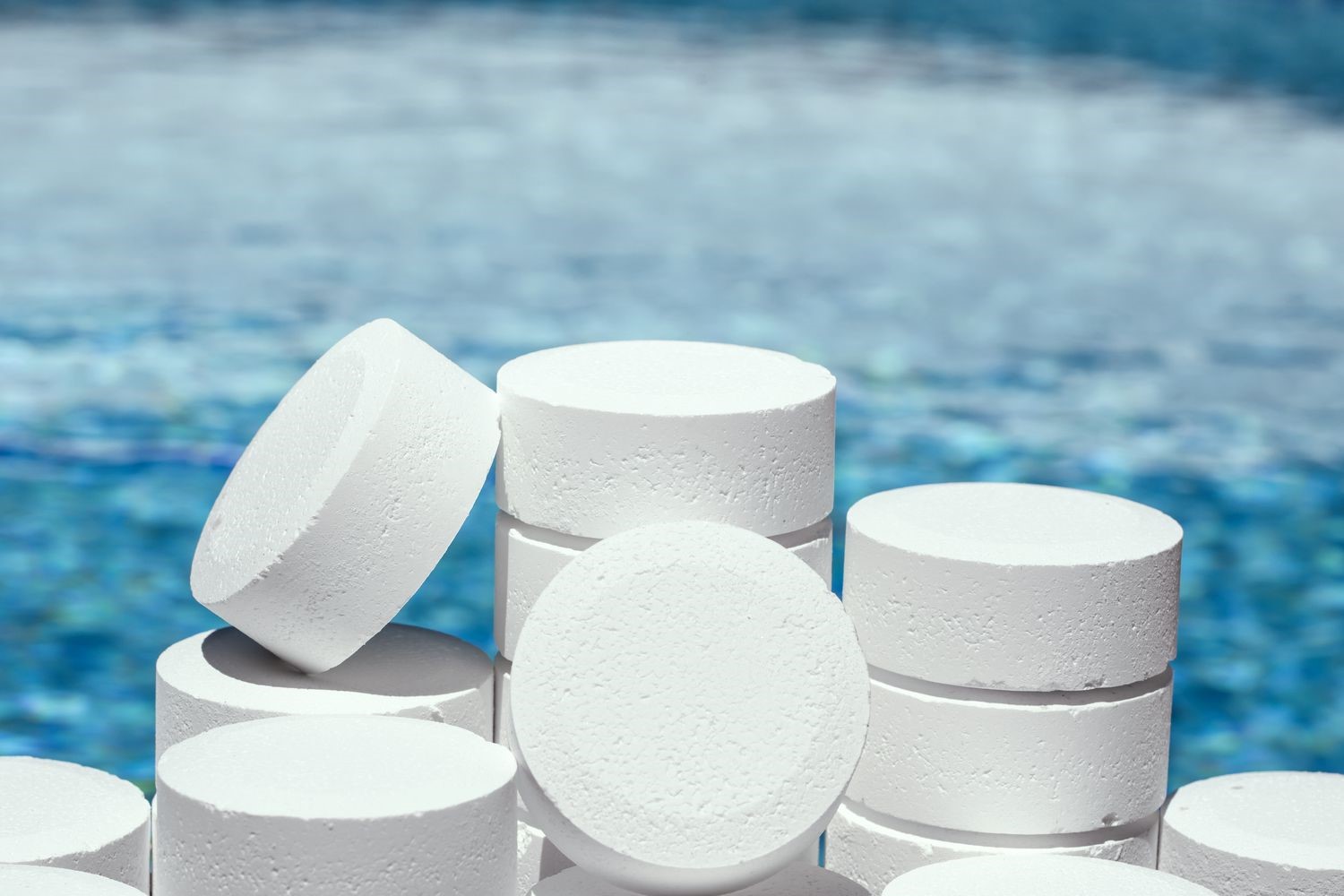
Comparing SDIC Prices for Emergency Water Treatment: A Case Study in True Cost Efficiency
By: Dr. Julian V. Mercer, Senior Humanitarian Logistics & Water Safety Strategist
Let’s cut through the emotional fog that often surrounds humanitarian procurement. When a disaster strikes—an earthquake shattering a city’s spine or a flood sweeping through a refugee camp—the immediate instinct is to grab the cheapest chemical available to stretch the budget. We’ve all been there. I remember sitting in a makeshift logistics hub in Southeast Asia just 48 hours after a devastating monsoon. The procurement officer for a major NGO, let’s call him Mateo, was proudly showing me his spreadsheet. “Look at these unit prices,” he beamed, tapping a column of figures. “We sourced generic Sodium Dichloroisocyanurate (SDIC) tablets from a local broker at 30% below market rate. We can treat double the volume of water with the same budget. It’s a win-win.”
But here is the brutal truth that spreadsheets often hide: The cheapest price on the invoice is frequently the most expensive line item in the field.
Mateo’s “bargain” SDIC turned out to be a logistical and operational nightmare within 72 hours. The tablets were soft, crumbling into dust in the humid tropical air before they even reached the distribution points. The active chlorine content, labeled as 60%, tested at barely 45% upon arrival due to poor stabilization during storage and transport. The result? Field teams had to use nearly double the number of tablets to achieve a safe residual, clogging feeders with insoluble sludge, and worst of all, failing to kill pathogens consistently in several sectors of the camp. The “savings” evaporated instantly, replaced by emergency air-freight costs for replacement chemicals, medical bills for waterborne illnesses, and a catastrophic loss of community trust.
This scenario highlights a critical lesson in emergency water treatment: When comparing SDIC prices, you aren’t just comparing dollars per kilogram; you are comparing cost per liter of safe water delivered, logistical reliability, and human lives saved. Let’s dig into how we turned this disaster around by shifting the focus from “sticker price” to “total value,” and how ENVO CHEMICAL became the linchpin of that success.
The Challenge: The False Economy of Low-Cost SDIC
The refugee camp served 15,000 displaced families. The water source was a flooded river heavily contaminated with sewage and agricultural runoff.
- The Symptom: Within three days of switching to the “budget” SDIC, cholera cases began to spike. Field reports indicated that the tablets were dissolving unevenly, leaving some batches under-dosed while others were choked with white, chalky residue that clogged the dosing pumps.
- The Root Cause: The generic SDIC lacked proper stabilization. In the 35°C heat and 90% humidity, the tablets degraded rapidly, losing potency and absorbing moisture. The high insoluble content (>5%) meant that for every kilogram of product bought, nearly 50 grams were useless sludge that jammed equipment.
- The Cost: The initial “savings” of $0.50 per kg were wiped out by a 40% increase in chemical consumption (due to low potency), $12,000 in emergency equipment repairs, and the incalculable cost of a disease outbreak.
“We were penny wise and pound foolish,” Mateo admitted, looking exhausted. “We thought we were saving money, but we were actually buying failure.”
The Solution: Introducing High-Purity, Stabilized SDIC
We proposed an immediate pivot to high-purity, stabilized SDIC. But not just any brand. We needed a supplier who understood that in emergency response, consistency is survival. We introduced ENVO CHEMICAL’s premium SDIC tablets into the supply chain.
Why ENVO? Because their product is engineered specifically for the harsh realities of disaster zones.
- Unmatched Purity: ENVO’s SDIC boasts >60% available chlorine with <0.1% insolubles. This means every gram is active oxidant, with zero sludge to clog feeders or waste resources.
- Advanced Stabilization: Proprietary stabilization technology ensures the tablets retain >95% of their potency even after months of storage in extreme heat and humidity. No more degradation guesswork.
- Uniform Density: Every tablet is manufactured to exacting standards, ensuring consistent dissolution rates. Whether dropped in a bucket or fed through an automated pump, the performance is identical.
Implementation: The Protocol for Rapid Deployment
We didn’t just swap products; we optimized the entire dosing strategy based on ENVO’s superior specifications.
- Immediate Replacement: We airlifted a fresh consignment of ENVO SDIC from a regional hub (part of their 200+ country network), arriving within 24 hours.
- Recalibrated Dosing: Because ENVO’s product guaranteed >60% active chlorine, we reduced the dosage volume by 35% compared to the degraded generic brand. This immediately stretched the existing budget further than the “cheap” option ever could.
- Feeder Maintenance: The insoluble content dropped from 5% to <0.1%. Clogged pumps became a thing of the past. Maintenance time decreased by 90%, allowing staff to focus on distribution rather than repairs.
- Quality Assurance: We implemented simple field testing kits to verify residuals every 4 hours. The consistency of ENVO’s tablets meant the residuals stayed stable within the target range (0.2–0.5 mg/L) without constant manual adjustment.
The Results: Data Don’t Lie (and Neither Does Public Health)
The transformation was measurable within 48 hours.
Quantifiable Wins:
- Pathogen Elimination: Chlorine residuals held steady across all distribution points. Cholera and dysentery cases dropped to zero within one week.
- Cost Efficiency: Despite the higher unit price of ENVO’s SDIC, the total cost per liter of treated water decreased by 25%. Why? Because we used less product to achieve better results, eliminated equipment repair costs, and stopped wasting money on degraded chemicals.
- Operational Reliability: Zero feeder clogs. Zero downtime for maintenance. The system ran smoothly 24/7.
- Logistical Savings: Because ENVO’s tablets are highly concentrated and stable, we reduced the storage footprint by 40% and eliminated the need for climate-controlled warehousing.
“It’s night and day,” Mateo told me during our review. “The water is safe, the equipment works, and for the first time in weeks, I’m not panic-buying chemicals. We stopped chasing the lowest price and started buying the highest value.”
The ENVO CHEMICAL Advantage: Global Reach, Local Impact
This case study underscores a vital lesson: In emergency water treatment, reliability is the ultimate currency. You cannot afford variability.
ENVO CHEMICAL stands apart not just because of their product quality, but because of their global ecosystem.
- Global Network: With operations and distribution partners in over 200 countries, ENVO can deploy high-purity SDIC to remote disaster zones faster than almost any competitor. They don’t just sell from a warehouse; they solve logistics bottlenecks.
- Technical Support: ENVO provides multilingual technical guides, dosing calculators, and remote support to help field teams optimize their protocols. They act as partners, not just vendors.
- Consistency: Whether you are deploying to the Sahel, the Caribbean, or Southeast Asia, ENVO’s product performs identically. No surprises, no degraded batches.
Frequently Asked Questions (FAQ)
Q: Why is the unit price of SDIC misleading in emergency scenarios?
Unit price ignores potency, stability, and insoluble content. Cheap SDIC often degrades rapidly in heat, requiring higher doses to achieve safety, and contains fillers that clog equipment. High-purity SDIC (like ENVO’s) offers lower total cost per liter due to higher efficiency and zero waste.
Q: How does ENVO CHEMICAL ensure product stability in hot climates?
ENVO uses advanced stabilization technologies and moisture-proof packaging to ensure their SDIC retains >95% potency even after prolonged exposure to high temperatures and humidity, unlike generic brands that degrade quickly.
Q: What is the impact of insoluble content in SDIC tablets?
High insoluble content (>1%) creates sludge that clogs dosing pumps and feeders, leading to equipment failure and inconsistent dosing. ENVO’s <0.1% insolubles ensure smooth operation and reliable water treatment.
Q: Can ENVO CHEMICAL deliver to remote disaster zones quickly?
Yes. With a distribution network spanning 200+ countries, ENVO has established logistics channels to deploy emergency supplies rapidly to even the most remote locations, ensuring continuity of care when it matters most.
The Bottom Line
When comparing SDIC prices for emergency water treatment, look beyond the sticker shock. The true cost lies in efficacy, reliability, and the speed of deployment. Cheap chemicals cost lives; premium solutions save them.
Don’t gamble with uncertain supply chains or degraded products. Partner with ENVO CHEMICAL, a trusted global innovator committed to saving lives through purity, stability, and reliability. Their comprehensive range of high-purity SDIC ensures that your emergency response is ready for anything, anywhere on Earth.
Ready to secure your emergency water treatment strategy with proven solutions? Contact ENVO CHEMICAL today to request our emergency deployment catalog, speak with our crisis response specialists, or get a customized logistics plan for your next mission. Let’s ensure that when disaster strikes, clean water is never out of reach.
Author: Dr. Julian V. Mercer
Senior Humanitarian Logistics & Water Safety Strategist | 25+ Years in Global Disaster Response
