
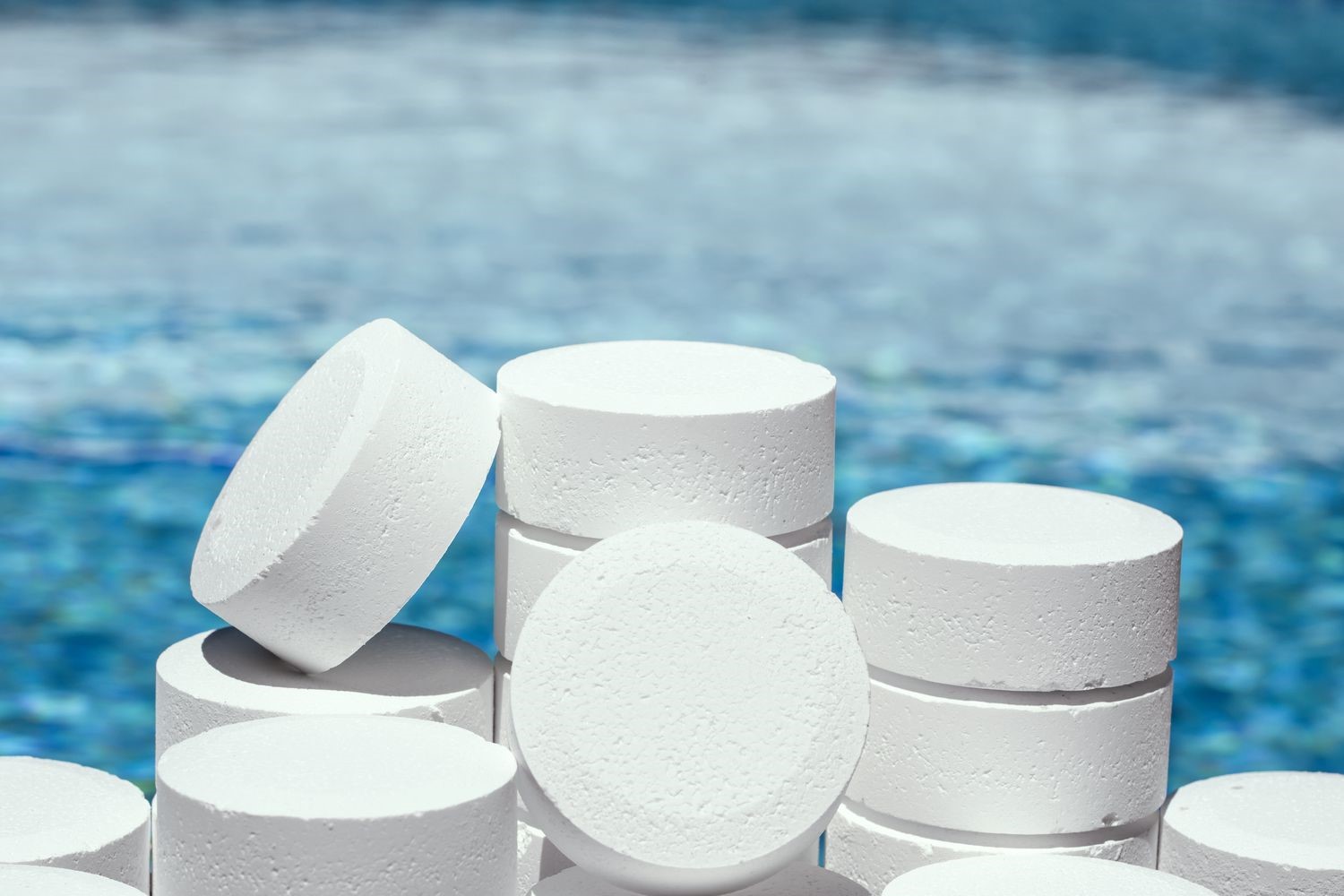
Comprehensive Guide to SDIC Usage in Municipal Drinking Water Disinfection
Introduction
Ensuring safe and clean municipal drinking water is a fundamental responsibility for water treatment facilities worldwide. Among the various disinfection solutions available, Sodium Dichloroisocyanurate (SDIC) has emerged as a highly effective, versatile, and cost-efficient option for municipal water systems. As water treatment professionals face increasing demands for reliable disinfection methods that meet stringent regulatory standards, SDIC offers a compelling solution that balances efficacy, safety, and operational simplicity. This comprehensive guide explores the critical aspects of SDIC usage in municipal drinking water disinfection, providing water treatment managers and decision-makers with the knowledge needed to implement this powerful solution effectively.
Understanding SDIC: The Science Behind Effective Disinfection
Sodium Dichloroisocyanurate (SDIC) is a stabilized chlorine compound that releases free available chlorine upon dissolution in water. Its molecular structure provides a slow, controlled release of disinfecting agents, making it particularly suitable for municipal water systems requiring consistent residual disinfection. Unlike traditional chlorine gas or sodium hypochlorite, SDIC offers several distinct advantages:
- Stability: SDIC maintains its potency for extended periods, even under varying storage conditions
- Solubility: It dissolves completely in water, leaving no residue
- Safety: Eliminates the need for handling hazardous chlorine gas
- Efficacy: Effective against a broad spectrum of pathogens including bacteria, viruses, and protozoa
The controlled release mechanism of SDIC ensures that disinfection remains effective throughout the distribution system, providing critical protection against recontamination.
Key Advantages of SDIC in Municipal Water Treatment
SDIC presents compelling benefits for municipal water treatment facilities seeking reliable disinfection solutions:
Cost Efficiency: SDIC’s high chlorine content (approximately 56-60% available chlorine) translates to lower material costs per unit of disinfection compared to many alternatives. The reduced need for frequent dosing and handling equipment also contributes to significant operational savings.
Operational Simplicity: Unlike chlorine gas systems that require complex infrastructure, SDIC can be easily integrated into existing water treatment processes. It requires minimal specialized equipment for storage and dosing, making it ideal for both large municipal systems and smaller community water facilities.
Regulatory Compliance: SDIC meets all major international standards for drinking water disinfection, including WHO guidelines and EPA requirements. Its consistent performance helps municipalities maintain compliance with increasingly stringent water quality regulations.
Environmental Considerations: SDIC generates fewer disinfection byproducts (DBPs) compared to some chlorine-based alternatives, contributing to safer water with reduced health risks. The product’s degradation products are environmentally benign, minimizing ecological impact.
Implementing SDIC: Best Practices and Dosage Guidelines
Successful SDIC implementation requires careful consideration of water quality parameters and system characteristics:
- Initial Assessment: Conduct thorough water quality analysis to determine baseline parameters including pH, temperature, organic content, and microbial load.
- Dosage Calculation: Typical SDIC dosages range from 0.5 to 2.0 mg/L, depending on water quality and desired residual. For most municipal applications, a dosage of 1.0 mg/L provides effective disinfection while maintaining safe residual levels.
- Dosing Strategy: Implement a continuous dosing system for consistent residual throughout the distribution network. For intermittent systems, consider pre-dosing at treatment plants to ensure adequate residual at the point of consumption.
- Monitoring: Implement regular water quality monitoring, particularly for residual chlorine levels and disinfection byproducts, to ensure optimal performance.
SDIC vs. Alternative Disinfection Methods
When comparing disinfection options, SDIC stands out for several key factors:
- vs. Chlorine Gas: SDIC eliminates the significant safety hazards and regulatory complexities associated with chlorine gas handling and storage.
- vs. Sodium Hypochlorite: SDIC offers superior stability, longer shelf life, and reduced corrosion potential in distribution systems.
- vs. Ozone: While ozone provides powerful oxidation, it lacks residual disinfection capability. SDIC provides both immediate disinfection and sustained protection throughout the distribution network.
The combination of SDIC’s stability, safety profile, and residual disinfection capabilities makes it a superior choice for comprehensive municipal water disinfection.
Real-World Applications: SDIC Success Stories
Municipalities across the globe have successfully implemented SDIC for drinking water disinfection. In a case study from Southeast Asia, a city of 500,000 residents implemented SDIC as their primary disinfection method, reducing operational costs by 22% while improving residual control throughout their 200-mile distribution network. Similarly, a European municipality reported a 35% reduction in disinfection byproducts after switching from sodium hypochlorite to SDIC, achieving better compliance with stringent water quality regulations.
Frequently Asked Questions (FAQs)
Q: Is SDIC safe for drinking water treatment?
A: Yes, SDIC is approved for drinking water disinfection by major international regulatory bodies. It meets all safety standards when used according to recommended dosage guidelines.
Q: How long does SDIC remain effective in water?
A: SDIC provides consistent residual disinfection for 24-48 hours in typical municipal water systems, depending on water quality and temperature.
Q: What storage conditions are required for SDIC?
A: Store SDIC in a cool, dry place away from direct sunlight and incompatible materials. Properly stored, SDIC maintains its effectiveness for up to 24 months.
Q: Can SDIC be used in all water temperatures?
A: SDIC performs effectively across a wide temperature range (5-35°C), though dosage adjustments may be necessary for extreme conditions.
Q: How does SDIC compare to chlorine tablets for water treatment?
A: SDIC is designed for municipal-scale applications with consistent dosing capabilities, while chlorine tablets are typically used for point-of-use treatment or small-scale applications.
Partner with ENVO CHEMICAL for Your Municipal Water Disinfection Needs
As a leading global manufacturer and supplier of water treatment chemicals, ENVO CHEMICAL provides high-quality SDIC and comprehensive disinfection solutions tailored to municipal water treatment requirements. With over 30 years of expertise in water treatment chemistry, our R&D capabilities ensure that our SDIC products meet the highest standards of purity, efficacy, and safety.
ENVO CHEMICAL operates in over 200 countries worldwide, delivering reliable, high-performance water treatment chemicals with exceptional customer support. Our technical team works closely with municipal water authorities to develop customized disinfection strategies that address specific water quality challenges, regulatory requirements, and operational constraints.
Whether you’re seeking to implement SDIC for the first time or optimize your existing disinfection system, ENVO CHEMICAL offers the expertise, product quality, and global supply chain reliability to ensure your municipal water treatment operations run smoothly and safely.
Discover how our SDIC solutions can transform your water disinfection process. Contact our technical team today to discuss your specific requirements and receive a customized solution for your municipal water system. Visit https://envochemical.com/contact-us/ to schedule a consultation and take the first step toward more effective, efficient, and reliable municipal drinking water disinfection.
