
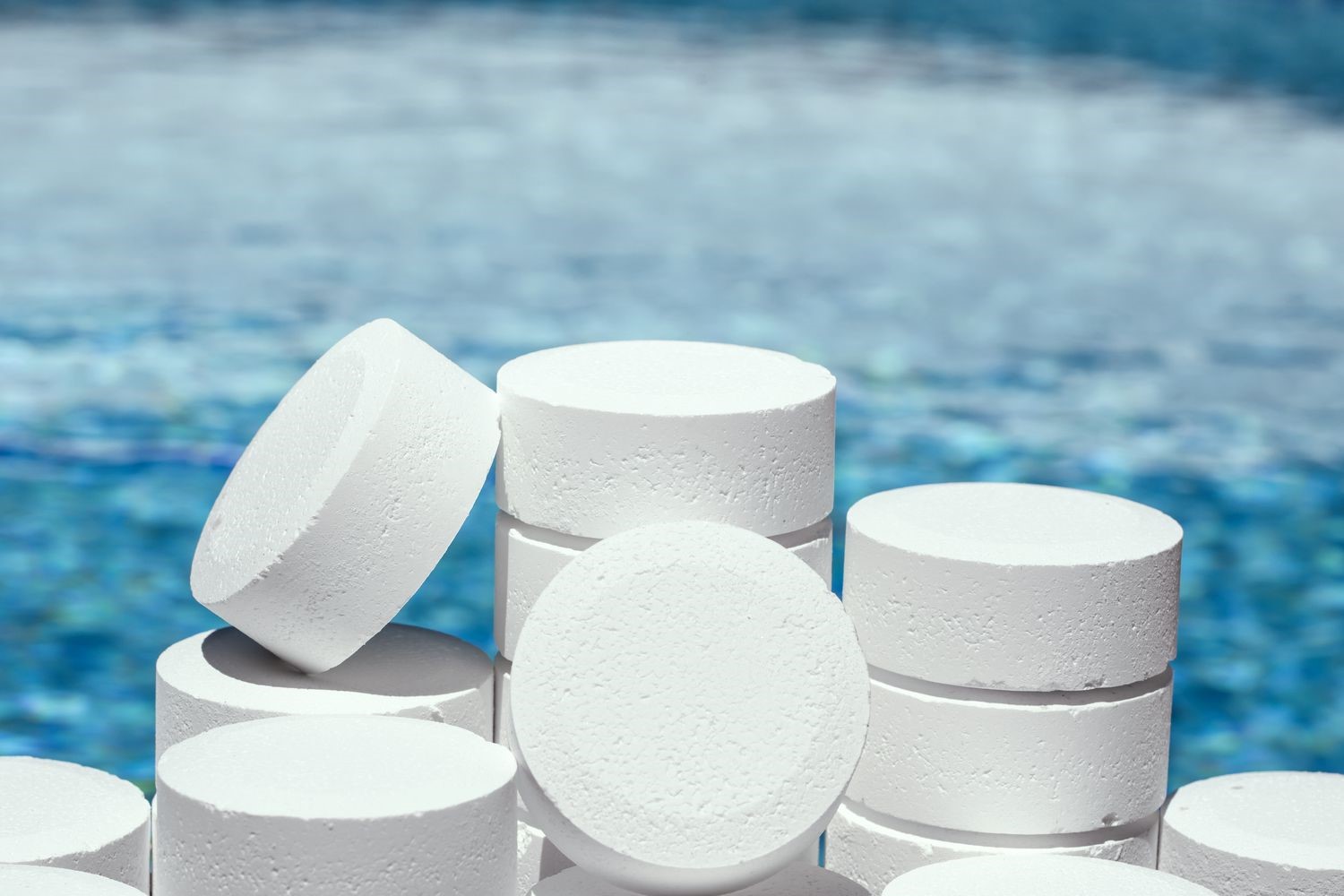
Discover Cost-Effective SDIC for Your Healthcare Needs
Introduction
In an era where infection control remains a paramount concern for healthcare facilities worldwide, selecting the right disinfection solution is critical for maintaining patient safety and operational efficiency. Sodium Dichloroisocyanurate (SDIC), also known as NaDCC, has emerged as a leading chlorine-based disinfectant that delivers exceptional antimicrobial performance while offering significant cost advantages over traditional alternatives.
This comprehensive technical guide explores the scientific foundation, performance characteristics, and practical applications of SDIC in healthcare environments. Whether you manage a hospital, clinic, laboratory, or long-term care facility, understanding the capabilities of SDIC will empower you to make informed procurement decisions that balance efficacy, safety, and budgetary constraints.
Understanding SDIC: Chemical Composition and Properties
Molecular Structure and Stability
Sodium Dichloroisocyanurate is an organic chlorine compound with the chemical formula C₃Cl₂N₃NaO₃ and a molecular weight of 219.95 g/mol. Registered under CAS Number 2893-78-9, SDIC belongs to the chloroisocyanurate family of compounds, which are characterized by their stable chlorine content and controlled release properties.
The unique triazine ring structure of SDIC provides exceptional stability compared to inorganic chlorine compounds such as sodium hypochlorite (bleach). This molecular architecture enables SDIC to maintain its disinfection potency over extended storage periods while minimizing chlorine degradation—a critical factor for healthcare facilities that require consistent, reliable disinfection performance.
Physical Characteristics
| Property | Specification |
|---|---|
| Appearance | White crystalline powder or granules |
| Melting Point | 240-250°C |
| Solubility | Highly soluble in water (approximately 25g/100ml at 25°C) |
| pH (1% solution) | 5.5-6.5 |
| Available Chlorine Content | 56%-60% (standard grades) |
| Particle Size | 8-30 mesh, 16-36 mesh (customizable) |
| Storage Stability | 24+ months under proper conditions |
Mechanism of Action
SDIC functions as a source of free available chlorine (FAC), which hydrolyzes in water to form hypochlorous acid (HOCl)—the primary active disinfecting agent. Hypochlorous acid penetrates microbial cell walls and disrupts essential cellular processes through oxidation of proteins, lipids, and nucleic acids.
The controlled release mechanism of SDIC ensures sustained chlorine availability, providing prolonged disinfection activity compared to rapid-release chlorine compounds. This characteristic is particularly valuable in healthcare settings where continuous surface protection is required between cleaning cycles.
Performance Data and Efficacy Metrics
Microbial Log Reduction Capabilities
Extensive laboratory testing has demonstrated SDIC’s broad-spectrum antimicrobial efficacy across multiple pathogen categories. The following performance data reflects standardized testing protocols aligned with international disinfection standards:
Bacterial Pathogens (EN 1276 Compliance)
- Staphylococcus aureus (including MRSA): ≥5-log reduction within 5 minutes at 200 ppm
- Escherichia coli: ≥5-log reduction within 5 minutes at 150 ppm
- Pseudomonas aeruginosa: ≥5-log reduction within 5 minutes at 200 ppm
- Clostridium difficile spores: ≥4-log reduction within 10 minutes at 500 ppm
- Mycobacterium tuberculosis: ≥5-log reduction within 10 minutes at 500 ppm
Viral Pathogens (EN 14476 Compliance)
- Norovirus (surrogate: Murine Norovirus): ≥4-log reduction within 5 minutes at 500 ppm
- Influenza A virus: ≥4-log reduction within 5 minutes at 200 ppm
- Coronavirus (surrogate: Vaccinia virus): ≥4-log reduction within 5 minutes at 500 ppm
- Hepatitis B virus (surrogate): ≥4-log reduction within 10 minutes at 500 ppm
Fungal Pathogens (EN 1650 Compliance)
- Candida albicans: ≥4-log reduction within 15 minutes at 400 ppm
- Aspergillus niger spores: ≥4-log reduction within 30 minutes at 800 ppm
Comparative Efficacy Analysis
When compared to alternative disinfectants commonly used in healthcare settings, SDIC demonstrates several performance advantages:
| Disinfectant Type | Contact Time | Spectrum | Stability | Cost per Liter (1% solution) |
|---|---|---|---|---|
| SDIC (500 ppm) | 5-10 min | Broad | 24+ months | $0.15-0.25 |
| Sodium Hypochlorite (500 ppm) | 10-15 min | Broad | 1-3 months | $0.20-0.35 |
| Quaternary Ammonium | 10 min | Limited | 24+ months | $0.30-0.50 |
| Hydrogen Peroxide (3%) | 10-15 min | Broad | 12 months | $0.25-0.40 |
| Peracetic Acid | 5-10 min | Broad | 6 months | $0.40-0.60 |
Note: Cost estimates based on 2025-2026 market data and may vary by region and volume
Compliance with International Healthcare Standards
Regulatory Framework Alignment
SDIC formulations designed for healthcare applications comply with multiple international standards and regulatory requirements:
European Standards
- EN 1276: Chemical disinfectants and antiseptics—Bactericidal activity
- EN 13697: Chemical disinfectants and antiseptics—Surface testing
- EN 14476: Virucidal activity testing
- EN 1650: Fungicidal activity testing
- Biocidal Products Regulation (BPR) EU 528/2012
North American Standards
- EPA Registration (United States)
- Health Canada Disinfectant Guidelines
- ASTM E1153: Standard Guide for Efficacy Evaluation of Sanitizers
International Guidelines
- WHO Guidelines on Hand Hygiene in Health Care
- CDC Guidelines for Environmental Infection Control in Health-Care Facilities
- ISO 13485: Medical devices—Quality management systems
Quality Certification Requirements
Procurement specifications for healthcare-grade SDIC should include verification of the following certifications:
- ISO 9001:2015 — Quality Management System certification for manufacturing facilities
- ISO 14001:2015 — Environmental Management System compliance
- GMP Certification — Good Manufacturing Practice for pharmaceutical-grade products
- Third-Party Laboratory Testing — Independent verification of efficacy claims
- Safety Data Sheet (SDS) — Comprehensive hazard communication documentation
Cost-Effectiveness Analysis for Healthcare Facilities
Total Cost of Ownership Calculation
When evaluating SDIC for healthcare procurement decisions, facilities should consider the complete cost structure beyond initial purchase price:
Direct Costs
- Product acquisition cost per kilogram
- Dilution ratios and working solution yield
- Storage requirements and shelf life
- Disposal costs for unused solutions
Indirect Costs
- Staff training requirements
- Personal protective equipment (PPE) needs
- Surface compatibility and potential damage
- Regulatory compliance documentation
Operational Efficiency Factors
- Contact time impact on cleaning cycles
- Frequency of application required
- Inventory management complexity
- Supply chain reliability
Budget Optimization Strategies
Healthcare facilities can maximize cost savings through the following approaches:
- Volume-Based Procurement: Bulk purchasing agreements typically reduce unit costs by 15-30% compared to retail pricing
- Concentration Optimization: Selecting appropriate chlorine concentration grades (56% vs. 60%) based on specific application requirements
- Automated Dosing Systems: Integration with precision dispensing equipment reduces product waste by 10-20%
- Preventive Maintenance Scheduling: Regular disinfection protocols prevent costly outbreak-related expenses
Return on Investment Projection
A typical 200-bed hospital implementing SDIC-based disinfection protocols can expect:
- Annual Disinfection Cost Reduction: 20-35% compared to premium branded alternatives
- Healthcare-Associated Infection (HAI) Reduction: 15-25% decrease in surface-transmitted infections
- Labor Efficiency Improvement: 10-15% reduction in cleaning time due to faster contact times
- Estimated Payback Period: 6-12 months for system conversion investments
Application Protocols for Healthcare Environments
Surface Disinfection Procedures
General Ward Surfaces
- Concentration: 200-500 ppm available chlorine
- Contact Time: 5-10 minutes
- Frequency: Minimum twice daily, or after each patient discharge
- Application Method: Spray and wipe or immersion for removable items
High-Touch Surfaces (bed rails, door handles, light switches)
- Concentration: 500 ppm available chlorine
- Contact Time: 5 minutes minimum
- Frequency: Every 2-4 hours during operational periods
- Application Method: Pre-moistened wipes or spray application
Critical Care Areas (ICU, Operating Rooms)
- Concentration: 500-1000 ppm available chlorine
- Contact Time: 10 minutes
- Frequency: After each patient procedure and terminal cleaning
- Application Method: Two-step clean-then-disinfect protocol
Water Treatment Applications
SDIC serves as an effective water disinfectant for healthcare facility water systems:
| Application | Concentration | Contact Time | Monitoring Frequency |
|---|---|---|---|
| Drinking Water | 0.5-1.0 ppm | 30 minutes | Daily |
| Dialysis Water Pre-treatment | 1.0-2.0 ppm | 60 minutes | Per batch |
| Cooling Towers | 2.0-5.0 ppm | Continuous | Weekly |
| Emergency Water Storage | 2.0 ppm | 2 hours | Before use |
Medical Equipment Disinfection
Non-Critical Equipment (blood pressure cuffs, stethoscopes)
- Concentration: 200-500 ppm
- Contact Time: 5 minutes
- Compatibility: Verify manufacturer guidelines for sensitive materials
Semi-Critical Equipment (respiratory therapy equipment, endoscope external surfaces)
- Concentration: 500-1000 ppm
- Contact Time: 10-20 minutes
- Rinsing: Required with sterile water after disinfection
Note: SDIC is not recommended for sterilization of critical medical devices that penetrate sterile tissue. Alternative sterilization methods should be employed for such applications.
Safety Considerations and Risk Management
Occupational Health Guidelines
Healthcare workers handling SDIC should adhere to the following safety protocols:
Personal Protective Equipment Requirements
- Chemical-resistant gloves (nitrile or neoprene)
- Safety goggles or face shield for splash protection
- Protective aprons or gowns for large-scale application
- Respiratory protection when handling powder formulations in poorly ventilated areas
Exposure Limits
- OSHA Permissible Exposure Limit (PEL): 0.5 mg/m³ (chlorine)
- ACGIH Threshold Limit Value (TLV): 0.5 ppm (chlorine gas)
- Immediate evacuation required if chlorine odor becomes strong or irritating
Storage and Handling Requirements
Optimal Storage Conditions
- Temperature: 15-25°C (59-77°F)
- Humidity: Below 65% relative humidity
- Ventilation: Well-ventilated, dry storage area
- Segregation: Separate from acids, ammonia, and organic materials
- Container: Original sealed packaging or airtight containers
Shelf Life Management
- Unopened packages: 24-36 months from manufacture date
- Opened packages: Use within 6 months; reseal immediately after each use
- Working solutions: Prepare fresh daily; discard after 24 hours
- First-in-first-out (FIFO) inventory rotation recommended
Emergency Response Procedures
Skin Contact: Immediately flush with water for 15 minutes. Remove contaminated clothing. Seek medical attention if irritation persists.
Eye Contact: Rinse cautiously with water for several minutes. Remove contact lenses if present and easy to do. Seek immediate medical attention.
Inhalation: Move to fresh air immediately. If breathing is difficult, administer oxygen. Seek medical attention.
Ingestion: Do not induce vomiting. Rinse mouth with water. Seek immediate medical attention and provide Safety Data Sheet to healthcare providers.
Environmental Impact and Sustainability
Biodegradability Profile
SDIC demonstrates favorable environmental characteristics compared to alternative disinfectants:
- Breakdown Products: Sodium cyanurate, chloride ions, carbon dioxide
- Aquatic Toxicity: Low to moderate (LC50 >10 mg/L for most fish species)
- Bioaccumulation Potential: Negligible
- Wastewater Treatment Compatibility: Compatible with standard municipal treatment processes
Regulatory Environmental Compliance
Healthcare facilities should ensure SDIC usage aligns with:
- Local wastewater discharge regulations
- Environmental Protection Agency (EPA) guidelines
- REACH regulations (European Union)
- Facility-specific environmental management plans
Sustainable Procurement Considerations
When evaluating SDIC suppliers, healthcare procurement teams should assess:
- Manufacturing energy efficiency and carbon footprint
- Packaging recyclability and waste reduction initiatives
- Supply chain transparency and ethical sourcing practices
- Product take-back or container recycling programs
- Third-party environmental certifications (ISO 14001, EcoVadis, etc.)
Supplier Selection Criteria
Technical Capability Assessment
Evaluate potential SDIC suppliers based on the following criteria:
Manufacturing Capacity
- Annual production volume capability
- Quality control laboratory facilities
- Batch consistency and traceability systems
- Emergency supply contingency plans
Documentation Support
- Certificate of Analysis (CoA) for each batch
- Comprehensive Safety Data Sheets (SDS)
- Regulatory compliance certificates
- Third-party testing reports
Logistics and Distribution
- Lead time reliability
- Geographic coverage and shipping options
- Temperature-controlled transport availability
- Inventory management support
Quality Assurance Verification
Request the following documentation during supplier qualification:
- ISO 9001:2015 certification certificate
- Recent third-party laboratory efficacy test results
- Customer references from healthcare facilities
- Product liability insurance documentation
- Recall and complaint handling procedures
Future Trends in Healthcare Disinfection
Emerging Regulatory Requirements
The healthcare disinfection landscape continues to evolve with new regulatory expectations:
- 2026 EPA Disinfectant Registration Updates: Enhanced efficacy testing requirements for emerging pathogens
- EU Biocidal Products Regulation Revisions: Stricter environmental impact assessments
- WHO Healthcare Infection Prevention Guidelines: Updated recommendations for surface disinfection frequencies
Technology Integration Opportunities
Forward-thinking healthcare facilities are exploring:
- Automated disinfection monitoring systems
- IoT-enabled dispensing equipment with usage tracking
- Blockchain-based supply chain verification
- AI-driven infection risk prediction and disinfection scheduling
Research and Development Pipeline
Ongoing SDIC formulation improvements include:
- Enhanced stability formulations for tropical climates
- Reduced corrosion formulations for sensitive equipment
- Combination products with surfactants for improved cleaning
- Tablet and pre-measured formats for dosing accuracy
Frequently Asked Questions (FAQ)
Q1: What is the recommended concentration of SDIC for general healthcare surface disinfection?
A: For routine healthcare surface disinfection, a concentration of 500 ppm available chlorine is recommended. This provides effective broad-spectrum antimicrobial activity while maintaining material compatibility. For high-risk areas or outbreak situations, concentrations of 1000 ppm may be appropriate.
Q2: How does SDIC compare to bleach in terms of stability and effectiveness?
A: SDIC offers significantly superior stability compared to sodium hypochlorite (bleach). While bleach solutions lose 50% or more of their chlorine content within 30 days, SDIC maintains over 90% of its available chlorine for 24+ months when properly stored. Additionally, SDIC solutions have a more neutral pH, reducing surface corrosion and material damage.
Q3: Is SDIC safe for use on medical equipment?
A: SDIC is safe for most non-critical and semi-critical medical equipment when used at recommended concentrations. However, always verify equipment manufacturer guidelines before application. SDIC should not be used on aluminum, copper, or brass surfaces without prior compatibility testing. For critical devices requiring sterilization, alternative methods should be employed.
Q4: What is the contact time required for SDIC to achieve effective disinfection?
A: Contact time varies by pathogen type and concentration. For most bacteria, 5 minutes at 200-500 ppm is sufficient. Viruses typically require 5-10 minutes at 500 ppm. Bacterial spores such as C. difficile may require 10-30 minutes at 500-1000 ppm. Always follow product-specific label instructions and local regulatory requirements.
Q5: Can SDIC be used for water disinfection in healthcare facilities?
A: Yes, SDIC is approved for water disinfection applications including drinking water, dialysis water pre-treatment, and emergency water storage. Typical concentrations range from 0.5-2.0 ppm depending on the application. Regular monitoring of residual chlorine levels is essential to ensure ongoing effectiveness and safety.
Q6: What certifications should I look for when purchasing healthcare-grade SDIC?
A: Key certifications include ISO 9001:2015 (Quality Management), ISO 14001:2015 (Environmental Management), relevant national disinfectant registrations (EPA, Health Canada, EU BPR), and third-party laboratory testing verification against recognized standards (EN 1276, EN 14476, etc.). Request Certificates of Analysis for each batch.
Q7: How should SDIC be stored to maintain maximum shelf life?
A: Store SDIC in a cool, dry, well-ventilated area at 15-25°C with humidity below 65%. Keep containers tightly sealed when not in use. Store away from acids, ammonia, organic materials, and direct sunlight. Properly stored SDIC maintains efficacy for 24-36 months from the manufacture date.
Q8: What are the environmental disposal requirements for SDIC solutions?
A: Diluted SDIC solutions can typically be discharged to municipal wastewater systems following local regulations. Concentrated solutions should be neutralized before disposal. Never mix SDIC with acids or ammonia-containing products. Consult local environmental regulations and your facility’s environmental management plan for specific requirements.
Q9: Can SDIC be used in combination with other cleaning agents?
A: SDIC should not be mixed with acids, ammonia, or other chlorine-releasing products due to the risk of toxic gas formation. Sequential use with neutral pH detergents is acceptable when proper rinsing occurs between applications. Always follow manufacturer recommendations and conduct compatibility testing before implementing combination protocols.
Q10: What volume discounts are typically available for healthcare facility SDIC purchases?
A: Volume discounts vary by supplier and order size. Typical discount structures include 10-15% for orders exceeding 500 kg, 15-25% for orders exceeding 1000 kg, and 25-35% for annual supply contracts exceeding 5000 kg. Contact suppliers directly for customized pricing based on your facility’s specific requirements and consumption patterns.
For detailed product specifications, custom formulation options, or volume pricing inquiries, please visit our contact page to connect with our technical sales team. https://envochemical.com/contact-us/
