
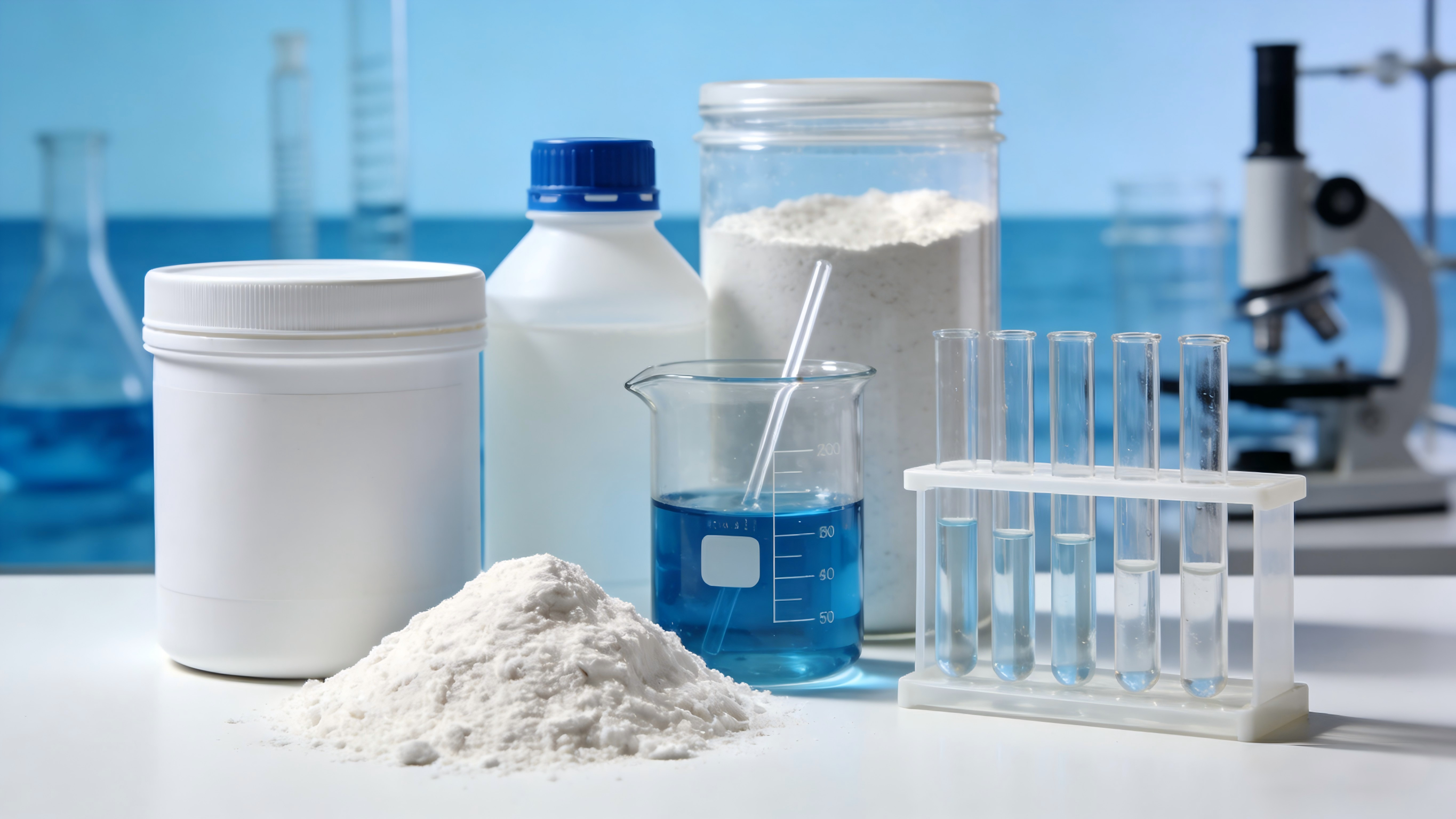
Here is a high-quality, SEO-optimized article written from the perspective of an industry expert, designed to attract B2B inquiries for industrial-grade Sodium Dichloroisocyanurate (SDIC).
Discover Industrial Grade SDIC for Your Swimming Pool Maintenance Needs
Author: Marcus Thorne
As a seasoned consultant in the water treatment industry, I have spent over a decade advising facility managers, chemical distributors, and municipal pool operators. One of the most frequent pain points I encounter is the struggle to maintain pristine water quality while adhering to strict budget constraints and safety regulations.
In the world of commercial and industrial pool maintenance, the margin for error is slim. You need a sanitizer that is not just effective, but also stable, safe to handle, and cost-efficient. While liquid chlorine (sodium hypochlorite) is a common choice, it comes with significant drawbacks—rapid degradation, high transportation costs, and instability in high temperatures or sunlight.
This is where Industrial Grade Sodium Dichloroisocyanurate (SDIC) enters the picture as a superior alternative. In this comprehensive guide, I will walk you through why SDIC is the secret weapon for industrial pool maintenance and how to source the right grade for your specific operational needs.
Why Industrial Pool Operators Are Switching to SDIC
When managing a high-bather-load environment like a hotel pool, water park, or public recreation center, relying on inconsistent sanitizers is not an option. SDIC offers a distinct set of advantages that directly address the logistical and chemical challenges faced by B2B clients.
1. Unmatched Stability and Long Shelf Life
Unlike liquid chlorine, which can lose up to 50% of its potency within weeks, SDIC is a solid, stabilized chlorine source. The cyanurate backbone of the SDIC molecule acts as a shield against UV degradation. For distributors and facility managers operating in hot climates or regions with high sun exposure, this means you can stockpile inventory without worrying about rapid potency loss. This stability translates directly into cost savings and predictable dosing.
2. High Active Chlorine Content for Reduced Logistics
From a supply chain perspective, SDIC is a logistics manager’s dream. Industrial-grade SDIC typically contains 56% to 60% available chlorine. This high concentration means you are paying for active ingredient, not water. Transporting 1 ton of SDIC pellets is equivalent to transporting thousands of liters of dilute liquid bleach. This drastically reduces your freight costs, storage space requirements, and carbon footprint.
3. Precise pH Buffering
Maintaining the correct pH level in a commercial pool is a constant battle. Liquid chlorine is highly caustic and can cause pH spikes, requiring constant addition of acid to bring the levels back down. SDIC, however, dissolves to create a nearly neutral pH solution (around 6.8-7.0). This inherent buffering capacity reduces the need for secondary pH adjustment chemicals, simplifying your maintenance routine and preventing costly corrosion of pool equipment.
Understanding the Different Grades of SDIC
Not all SDIC is created equal. As a B2B buyer, it is crucial to understand the difference between the grades to ensure you are purchasing the right product for your application. Using the wrong grade can lead to cloudy water, scaling, or even health hazards.
| Grade Type | Active Chlorine Content | Common Forms | Best Application |
|---|---|---|---|
| Industrial Grade | 56% – 60% | White Powder, 20g Tablets, 150g Tablets | Municipal pools, Industrial cooling towers, Large-scale disinfection |
| Swimming Pool Grade | 55% – 58% | 20mm Tablets, 2-inch Tablets, Granular | Commercial pools, Hotels, Waterparks |
| Sanitizer Grade | 50% – 55% | Powder, Effervescent Tablets | Drinking water treatment, Emergency sanitation, Food processing |
The Granular vs. Tablet Debate
For industrial maintenance, the choice between granular and tablet forms depends entirely on your dosing infrastructure.
- Granular SDIC: This is ideal for automated bulk feeders or situations where rapid dissolution is required. It allows for immediate shock treatment of the water.
- Tablet SDIC: These are designed for slow, continuous dissolution in tablet feeders (skimmer or inline). They are perfect for maintaining a residual chlorine level without daily manual intervention.
Key Specifications for Industrial Procurement
When you are sourcing SDIC for industrial use, you cannot afford to compromise on quality. Here are the technical specifications you should demand from your supplier to ensure optimal performance:
- Available Chlorine (Free Chlorine): Must be consistently above 56%. Anything lower indicates impurities or degradation.
- Moisture Content: Should be less than 0.5%. High moisture content leads to caking and degradation during storage.
- Cyanuric Acid (Stabilizer) Content: Typically sits around 85-90% of the theoretical maximum. This is what provides the UV protection.
- Solubility: Industrial standards require rapid dissolution without leaving a residue. Poor solubility leads to “dust” at the bottom of the pool or clogging of filtration systems.
- Heavy Metals: Strict limits on Iron (<15ppm) and other heavy metals to prevent staining of pool surfaces and equipment.
Safety and Handling Protocols
While SDIC is safer to transport than liquid chlorine, it is still a powerful oxidizer. As a responsible industry professional, you must adhere to strict handling protocols to protect your workforce.
Critical Safety Rules:
- Storage: Keep in a cool, dry, well-ventilated area. SDIC must be stored away from acids, ammonia, and flammable materials. Never store it directly on a concrete floor, as moisture absorption can cause spontaneous combustion.
- Personal Protective Equipment (PPE): Operators should wear safety goggles, gloves, and dust masks to prevent inhalation of powder or contact with skin.
- Never Mix: Under no circumstances should SDIC be mixed directly with acid or other cleaning agents in a confined container. This creates toxic chlorine gas.
How to Source Reliable Industrial SDIC
Finding a reliable manufacturer is the final, and perhaps most important, step. The market is flooded with suppliers, but only a few can guarantee the consistency required for industrial applications.
If you are looking for a partner that understands the complexities of industrial water treatment, consider reaching out to specialists who integrate R&D, production, and sales. A manufacturer that controls the entire supply chain—from the raw materials to the final packaging—can offer the quality assurance and technical support you need to keep your operations running smoothly.
Expert Tip: When evaluating a new supplier, always request a Certificate of Analysis (CoA) for their latest batch. Do not rely solely on the specification sheet; you need proof that the product you are receiving meets the industrial standards in reality, not just on paper.
Frequently Asked Questions (FAQ)
Q1: What is the shelf life of Industrial Grade SDIC? A: When stored properly in its original, unopened packaging in a cool, dry place, Industrial Grade SDIC has a shelf life of 2 years. After this period, the available chlorine content may begin to drop below the industrial standard threshold.
Q2: Can I use Industrial Grade SDIC in a residential pool? A: Yes, technically you can, as the chemical composition is the same. However, Industrial Grade is often sold in bulk packaging (1000kg super sacks or 25kg bags) which may be excessive for a single-family home. Furthermore, residential users often prefer the pre-measured convenience of tablet forms designed for floating feeders.
Q3: Why is my water turning cloudy after adding SDIC? A: Cloudy water is usually a sign of high cyanuric acid (CYA) levels. Because SDIC is a “stabilized” chlorine, every time you add it, you are also adding cyanuric acid. Over time, if CYA builds up beyond 100 ppm, it can lock up the chlorine, rendering it ineffective and causing cloudiness. If this happens, you will need to partially drain and dilute the pool water.
Q4: Is SDIC better than Trichlor for industrial use? A: It depends on your pH management strategy. SDIC has a near-neutral pH (6.8), so it does not lower the pool’s pH significantly. Trichlor (Trichloro-s-triazinetrione) has a very low pH (2.8) and is highly acidic. If your facility is already struggling with high pH due to hard water, Trichlor might be beneficial. However, for most industrial applications where pH stability is desired, SDIC is the preferred choice to avoid corrosion and constant acid feeding.
Q5: How do I calculate the dosage for shock treatment? A: The general rule of thumb is 10 grams of SDIC per 10 cubic meters (10,000 liters) of water to raise the chlorine level by approximately 1 ppm. For shock treatment, you typically aim for 10-20 ppm, so you would need to dose 100g-200g per 10 cubic meters. Always test your water first and adjust based on bather load and temperature.
Disclaimer: The information provided in this article is for educational and informational purposes only. Always consult with a certified water treatment professional and follow the specific safety data sheets (SDS) provided by the chemical manufacturer before handling or applying any industrial chemicals.
