
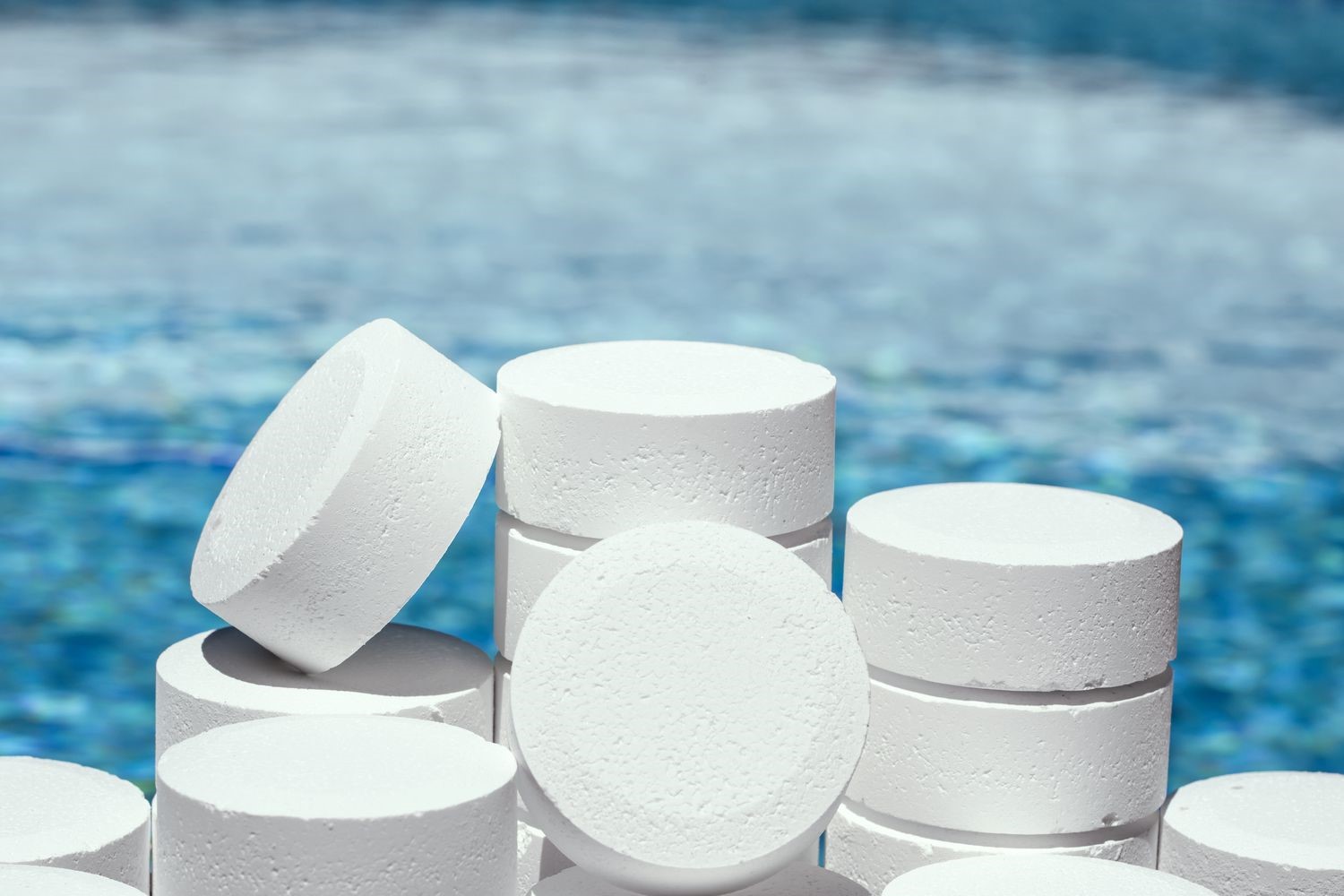
Discover Long Shelf Life Calcium Hypochlorite for Your Agriculture Needs
Introduction
In modern agriculture, maintaining optimal sanitation and water treatment standards is crucial for crop health, livestock safety, and overall farm productivity. Calcium hypochlorite has emerged as one of the most reliable disinfectants and oxidizing agents in the agricultural sector. However, not all calcium hypochlorite products are created equal. For agricultural businesses seeking consistent performance and cost efficiency, long shelf life calcium hypochlorite represents a superior solution that minimizes waste, reduces replacement frequency, and ensures dependable results throughout extended storage periods.
This comprehensive guide explores why long shelf life calcium hypochlorite is essential for agricultural operations, how to select the right product for your needs, and what benefits it brings to your farming enterprise.
Understanding Calcium Hypochlorite in Agriculture
What Is Calcium Hypochlorite?
Calcium hypochlorite (Ca(OCl)₂) is a chemical compound widely used for water treatment, disinfection, and sanitation purposes. In agriculture, it serves multiple critical functions including irrigation water treatment, equipment sanitization, livestock facility cleaning, and post-harvest produce washing. The compound releases chlorine when dissolved in water, providing powerful antimicrobial action against bacteria, viruses, fungi, and algae.
Why Shelf Life Matters for Agricultural Operations
Agricultural businesses often purchase chemicals in bulk to manage costs and ensure supply continuity. Products with limited shelf life can degrade before complete utilization, leading to:
- Reduced disinfection effectiveness
- Financial losses from wasted materials
- Inconsistent treatment results
- Increased procurement frequency and administrative burden
Long shelf life calcium hypochlorite addresses these challenges by maintaining stable chlorine content over extended periods, typically 24-36 months when stored properly, compared to standard products that may degrade within 12-18 months.
Key Benefits of Long Shelf Life Calcium Hypochlorite
Enhanced Stability and Performance
Advanced manufacturing processes and superior packaging technologies enable long shelf life variants to retain 95% or more of their initial available chlorine content throughout the warranty period. This stability ensures consistent disinfection power regardless of when the product is used within its shelf life window.
Cost Efficiency for Large-Scale Operations
For agricultural enterprises managing multiple facilities or seasonal operations, extended shelf life translates to significant cost savings:
- Reduced product replacement frequency
- Lower inventory management costs
- Minimized waste disposal expenses
- Better budget predictability for chemical procurement
Versatile Application Across Agricultural Sectors
Long shelf life calcium hypochlorite serves diverse agricultural applications:
Irrigation Systems: Prevents biofilm formation and algae growth in drip irrigation and sprinkler systems, maintaining optimal water flow and reducing maintenance requirements.
Livestock Facilities: Provides effective sanitation for barns, poultry houses, and animal drinking water systems, supporting animal health and biosecurity protocols.
Post-Harvest Treatment: Ensures safe washing and disinfection of fruits, vegetables, and grains before storage or distribution, extending produce shelf life and meeting food safety standards.
Greenhouse Operations: Controls pathogens in hydroponic systems and maintains clean growing environments for sensitive crops.
Selecting the Right Long Shelf Life Calcium Hypochlorite
Quality Indicators to Consider
When evaluating calcium hypochlorite suppliers for agricultural use, focus on these critical quality parameters:
Available Chlorine Content: Premium products offer 65-70% available chlorine, providing maximum disinfection efficiency per unit weight.
Moisture Content: Lower moisture levels (below 5%) correlate with better stability and longer shelf life.
Packaging Quality: Moisture-resistant, sealed containers protect product integrity during storage and transportation.
Certification and Compliance: Ensure products meet international quality standards and agricultural regulatory requirements in your region.
Storage Best Practices
Maximizing the shelf life of calcium hypochlorite requires proper storage conditions:
- Store in cool, dry, well-ventilated areas
- Maintain temperatures between 15-25°C (59-77°F)
- Keep containers tightly sealed when not in use
- Avoid exposure to direct sunlight, heat sources, or moisture
- Separate from organic materials, acids, and reducing agents
Implementation Strategies for Agricultural Businesses
Developing a Chemical Management Protocol
Establish standardized procedures for calcium hypochlorite handling, including:
- Inventory Tracking: Implement first-in-first-out (FIFO) systems to optimize product rotation
- Concentration Monitoring: Regular testing of prepared solutions ensures effective disinfection
- Safety Training: Educate staff on proper handling, personal protective equipment, and emergency procedures
- Documentation: Maintain records of procurement dates, batch numbers, and usage patterns
Integrating with Existing Farm Operations
Successful implementation requires coordination across farm departments:
- Coordinate with irrigation managers for water treatment scheduling
- Align with livestock teams for facility sanitation cycles
- Work with harvest crews for post-harvest processing protocols
- Collaborate with quality assurance for compliance documentation
Environmental and Safety Considerations
Responsible Usage Practices
While calcium hypochlorite is highly effective, responsible application protects both human health and environmental sustainability:
- Follow recommended dosage guidelines to prevent over-chlorination
- Implement proper neutralization procedures for wastewater
- Use appropriate personal protective equipment during handling
- Maintain safety data sheets and emergency response protocols
Regulatory Compliance
Agricultural businesses must adhere to local and international regulations governing disinfectant use, including:
- Maximum residue limits for treated produce
- Water discharge standards for agricultural runoff
- Worker safety requirements for chemical handling
- Documentation and reporting obligations
Conclusion
Long shelf life calcium hypochlorite represents a strategic investment for agricultural businesses seeking reliable, cost-effective sanitation solutions. By choosing high-quality products with extended stability, implementing proper storage practices, and developing comprehensive management protocols, farms can enhance operational efficiency while maintaining the highest standards of food safety and environmental responsibility.
For agricultural enterprises ready to optimize their disinfection programs with premium long shelf life calcium hypochlorite, partnering with experienced chemical suppliers ensures access to quality products, technical support, and consistent supply chains that keep your operations running smoothly throughout every season.
Frequently Asked Questions (FAQ)
Q1: How long does long shelf life calcium hypochlorite actually last?
A: When stored under proper conditions, long shelf life calcium hypochlorite maintains optimal effectiveness for 24-36 months. The product should retain at least 95% of its initial available chlorine content throughout this period.
Q2: What is the recommended concentration for agricultural water treatment?
A: Typical concentrations range from 1-5 ppm for irrigation systems and 50-200 ppm for equipment sanitization. Specific requirements depend on water quality, application type, and regulatory guidelines in your region.
Q3: Can long shelf life calcium hypochlorite be used for organic farming?
A: Regulations vary by country and certification body. Some organic standards permit calcium hypochlorite for specific applications like irrigation water treatment or post-harvest washing. Consult your organic certification agency for approved uses.
Q4: How should I dispose of unused calcium hypochlorite solutions?
A: Never pour concentrated solutions directly into drains or waterways. Dilute according to local regulations, neutralize if required, and follow environmental disposal guidelines. Contact local waste management authorities for specific requirements.
Q5: What packaging sizes are available for agricultural purchases?
A: Suppliers typically offer various packaging options including 25kg drums, 50kg containers, and bulk quantities for large-scale operations. Custom packaging may be available based on order volume and specific requirements.
Q6: How do I verify the quality of calcium hypochlorite before purchase?
A: Request certificates of analysis (COA) from suppliers, verify available chlorine content, check manufacturing dates, and ensure packaging integrity. Reputable suppliers provide comprehensive documentation and quality guarantees.
