
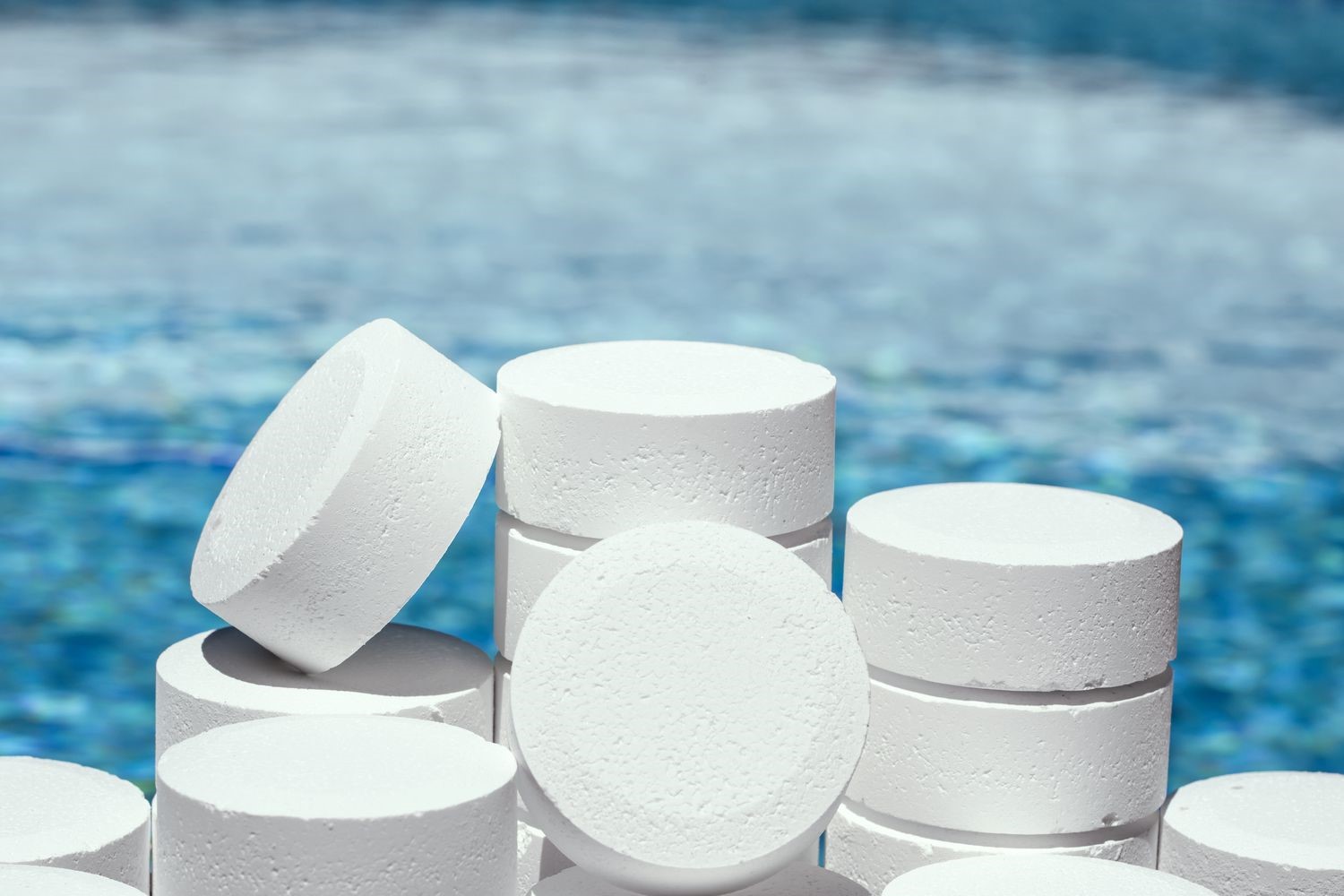
Discover Wholesale Prices Calcium Hypochlorite for Your Disinfection Needs
Introduction
After spending over fifteen years in the water treatment chemical industry, I’ve witnessed firsthand how critical it is for businesses to secure reliable calcium hypochlorite supplies at competitive wholesale prices. Whether you’re managing a municipal water facility, operating a swimming pool complex, or running an industrial disinfection operation, understanding the wholesale calcium hypochlorite market can save your organization thousands of dollars annually while ensuring consistent water quality standards.
In this comprehensive guide, I’ll walk you through everything you need to know about sourcing calcium hypochlorite for disinfection needs, from current market pricing to quality considerations that truly matter when you’re buying in bulk.
Understanding Calcium Hypochlorite: The Backbone of Modern Disinfection
Calcium hypochlorite stands as one of the most trusted disinfection chemicals in the water treatment industry. With its chemical formula Ca(OCl)₂ and CAS number 7778-54-3, this powerful oxidizing agent has been protecting public health for over a century. What makes it particularly valuable for B2B buyers is its exceptional stability and high available chlorine content, typically ranging between 65% to 70%.
Unlike liquid chlorine alternatives, calcium hypochlorite comes in solid form—either as granules or tablets—making it significantly easier to store, transport, and handle in large quantities. This practical advantage translates directly into lower logistics costs and reduced safety risks for your operations.
Current Wholesale Price Landscape for 2026
Based on my recent market analysis and supplier negotiations throughout early 2026, calcium hypochlorite wholesale prices have stabilized within a predictable range. Here’s what B2B buyers should expect:
Standard Bulk Pricing:
- Entry-level bulk orders (1-5 tons): $1,050-$1,300 per ton
- Medium volume purchases (5-20 tons): $950-$1,100 per ton
- Large-scale contracts (20+ tons): $850-$1,000 per ton
These prices vary based on several factors I’ll detail below, but understanding this baseline helps you evaluate supplier quotes more effectively. Remember, the cheapest option isn’t always the best value when you factor in product consistency, delivery reliability, and technical support.
Key Factors Influencing Calcium Hypochlorite Wholesale Costs
Production Capacity and Supplier Scale
Working with manufacturers who maintain substantial production capacity—typically 1,000+ tons monthly—ensures supply continuity even during peak demand periods. I’ve seen too many businesses disrupted by suppliers who couldn’t fulfill orders during seasonal spikes. Larger producers also benefit from economies of scale that translate into better pricing for their customers.
Chlorine Content Specifications
The available chlorine percentage directly impacts both price and performance. While 65% calcium hypochlorite serves most general disinfection applications adequately, certain industrial processes require 70% or higher concentrations. Expect to pay a 10-15% premium for these higher-grade products, but verify whether your specific application truly requires this specification before committing.
Packaging and Form Options
Granular calcium hypochlorite typically costs less than tablet forms, but tablets offer superior dissolution control for automated dosing systems. Your operational requirements should drive this decision rather than price alone. Bulk packaging (25kg drums or 500kg super sacks) reduces per-unit costs compared to smaller retail-style containers.
Shipping and Logistics Considerations
Port of origin significantly affects your landed costs. Major Chinese export ports like Qingdao offer competitive freight rates to most global destinations. However, factor in inland transportation, import duties, and any special hazardous materials handling fees when calculating your true cost per ton.
Quality Verification: What B2B Buyers Must Check
Having audited numerous calcium hypochlorite manufacturing facilities, I cannot emphasize enough how critical quality verification is before signing wholesale contracts. Here’s my checklist:
Certificate of Analysis (CoA): Every shipment should include comprehensive testing results showing available chlorine content, moisture levels, heavy metal concentrations, and stability metrics. Don’t accept generic certificates—demand batch-specific documentation.
Manufacturing Standards: Verify that your supplier operates under ISO 9001 quality management systems and complies with relevant international chemical safety regulations. This isn’t just about product quality; it’s about liability protection for your organization.
Sample Testing: Before committing to large orders, request samples for independent laboratory verification. I’ve encountered situations where initial shipments matched specifications but subsequent batches showed concerning variations. Establish this testing protocol upfront in your supplier agreements.
Application-Specific Guidance for Bulk Buyers
Municipal Water Treatment
For drinking water disinfection, consistency trumps cost savings. Work with suppliers who can guarantee batch-to-batch uniformity and provide detailed technical support for dosing calculations. Your public health responsibilities demand nothing less than premium-grade calcium hypochlorite with full traceability.
Swimming Pool and Recreation Facilities
Pool operators benefit from tablet forms that integrate smoothly with automated chlorination systems. While granular products cost less initially, the operational efficiency gains from tablets often justify the premium. Negotiate volume discounts based on your annual consumption projections.
Industrial Wastewater Treatment
Industrial applications often tolerate wider specification ranges, creating opportunities for cost optimization. However, ensure your supplier understands your specific wastewater characteristics and can recommend appropriate dosing strategies. Improper application wastes product and may fail to meet discharge regulations.
Food Processing and Sanitization
Food industry buyers face the strictest regulatory requirements. Your calcium hypochlorite must meet food-grade specifications with comprehensive documentation for health authority inspections. Build relationships with suppliers who specialize in food-safe disinfection chemicals rather than general industrial products.
Building Long-Term Supplier Relationships
The wholesale calcium hypochlorite market rewards buyers who think beyond transactional purchasing. Here’s how I advise my clients to approach supplier relationships:
Contract Flexibility: Negotiate agreements that allow volume adjustments based on your actual consumption. Fixed-quantity contracts can leave you overstocked during slow periods or short-supplied during unexpected demand surges.
Price Review Mechanisms: Include quarterly or semi-annual price review clauses tied to recognized chemical market indices. This protects both parties from extreme market volatility while maintaining fair pricing structures.
Technical Support Expectations: Your supplier should provide more than just product delivery. Demand access to technical experts who can troubleshoot application issues, optimize dosing protocols, and keep you informed about regulatory changes affecting disinfection practices.
Risk Management in Calcium Hypochlorite Procurement
Smart B2B buyers diversify their supply chains. Maintain relationships with at least two qualified suppliers to mitigate disruption risks. I’ve helped organizations navigate supply shortages by having backup suppliers already vetted and ready to activate when primary sources encountered production issues.
Storage safety represents another critical consideration. Calcium hypochlorite requires cool, dry conditions away from incompatible materials. Factor proper storage infrastructure costs into your total procurement budget rather than treating them as separate operational expenses.
Conclusion: Making Informed Wholesale Decisions
Securing the right calcium hypochlorite wholesale supply isn’t just about finding the lowest price per ton. It’s about partnering with suppliers who understand your operational needs, maintain consistent quality standards, and provide the technical support necessary for optimal disinfection outcomes.
The wholesale calcium hypochlorite market in 2026 offers substantial opportunities for cost savings when approached strategically. By applying the insights I’ve shared throughout this guide, you’ll position your organization to make informed purchasing decisions that balance cost efficiency with operational reliability.
Remember, every dollar saved on inferior product quality potentially costs ten dollars in operational problems downstream. Invest time in supplier evaluation, demand comprehensive documentation, and build relationships based on mutual accountability. Your disinfection program’s success—and the public health outcomes it supports—depend on these choices.
Frequently Asked Questions (FAQ)
Q1: What is the typical shelf life of bulk calcium hypochlorite?
A: Properly stored calcium hypochlorite maintains its effectiveness for 2-3 years from manufacture date. However, available chlorine content gradually decreases over time. I recommend implementing first-in-first-out inventory rotation and testing older stock before use in critical applications.
Q2: How do I calculate the right calcium hypochlorite dosage for my water treatment system?
A: Dosage depends on water volume, contamination levels, and target residual chlorine concentration. Generally, 1 pound of 65% calcium hypochlorite treats approximately 10,000 gallons of water to achieve 1 ppm chlorine residual. However, conduct jar testing with your specific water source to determine optimal dosing. Your supplier should provide technical assistance with these calculations.
Q3: Can I mix calcium hypochlorite from different suppliers?
A: I strongly advise against mixing batches from different manufacturers without verification. Variations in composition, dissolution rates, and impurity profiles can create unpredictable results. If you must switch suppliers, run parallel testing during the transition period to ensure consistent disinfection performance.
Q4: What safety certifications should I require from calcium hypochlorite suppliers?
A: At minimum, request ISO 9001 quality management certification, REACH compliance documentation (for European markets), and proper hazardous materials shipping certifications. For food industry applications, demand NSF or equivalent food-safe certifications. Always verify these documents independently rather than accepting them at face value.
Q5: How do seasonal demand fluctuations affect wholesale pricing?
A: Summer months typically see 15-25% price increases due to heightened demand from swimming pool and recreation facilities. Smart buyers lock in annual contracts during off-peak seasons (late fall through early spring) to secure better rates and guarantee supply availability during peak periods.
Author: Dr. Marcus Richardson
Dr. Richardson brings 15+ years of expertise in water treatment chemical procurement and has advised over 200 industrial facilities on disinfection optimization strategies.
